Elizabeth Gregory-Gruen
Visual Artist
US
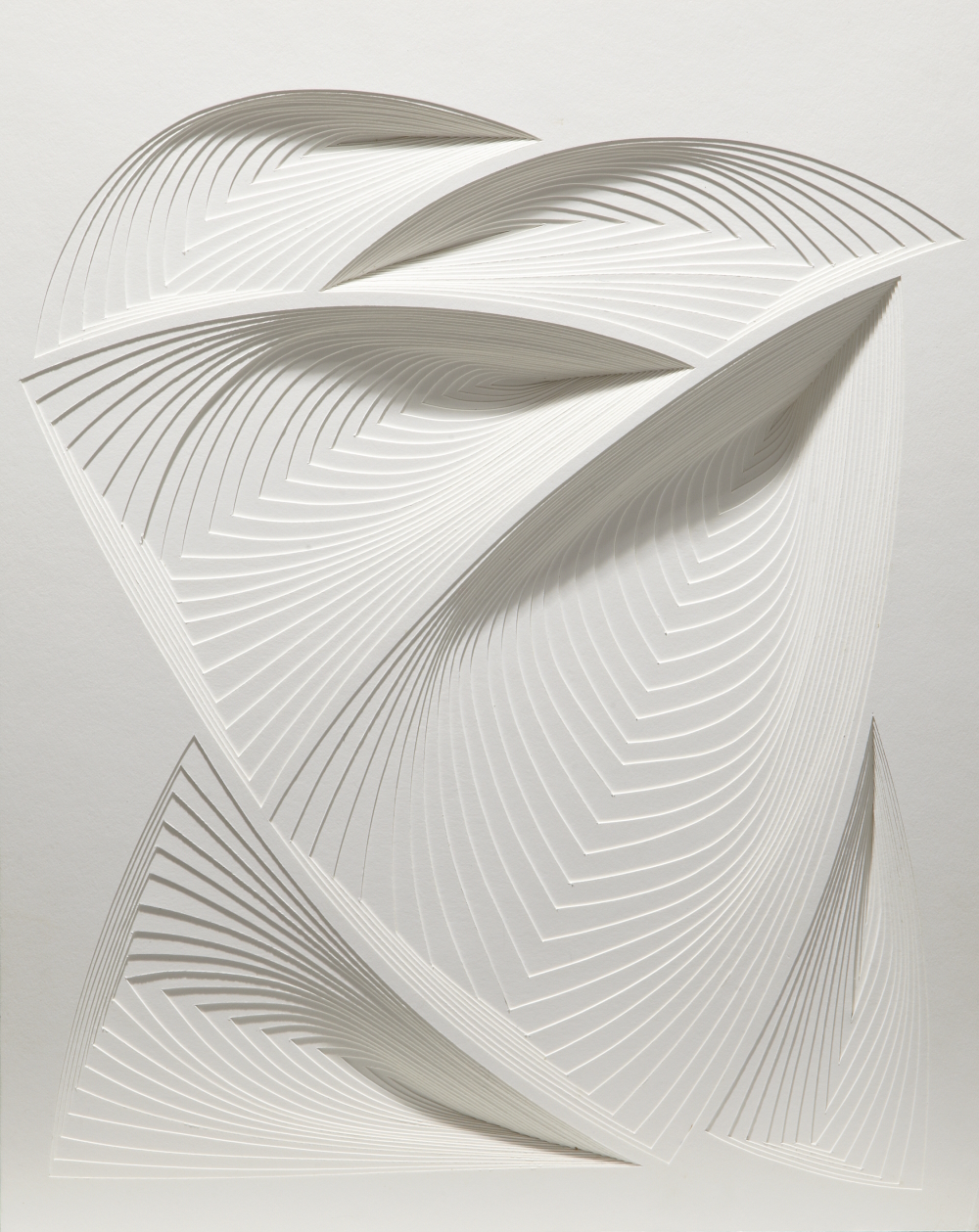
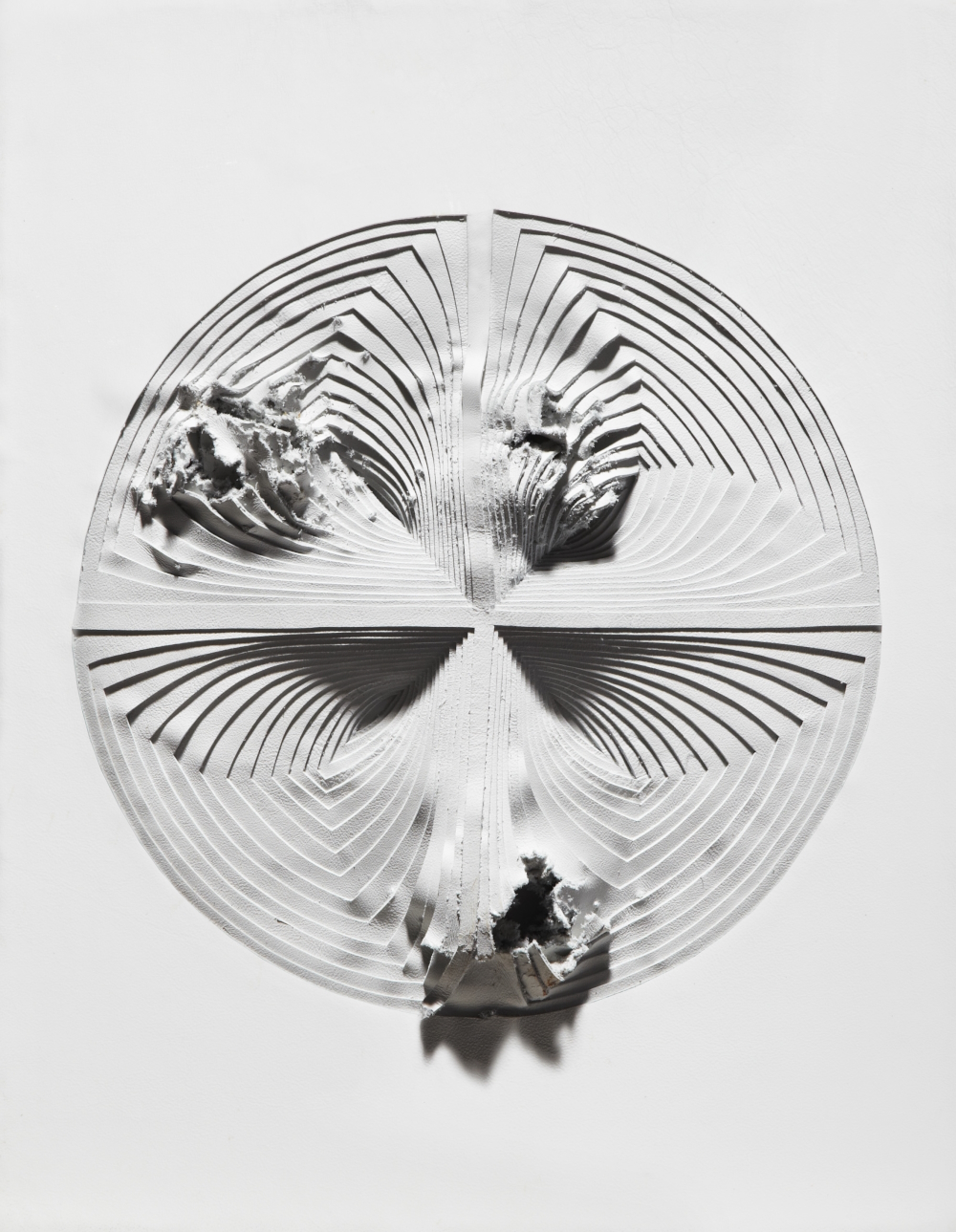
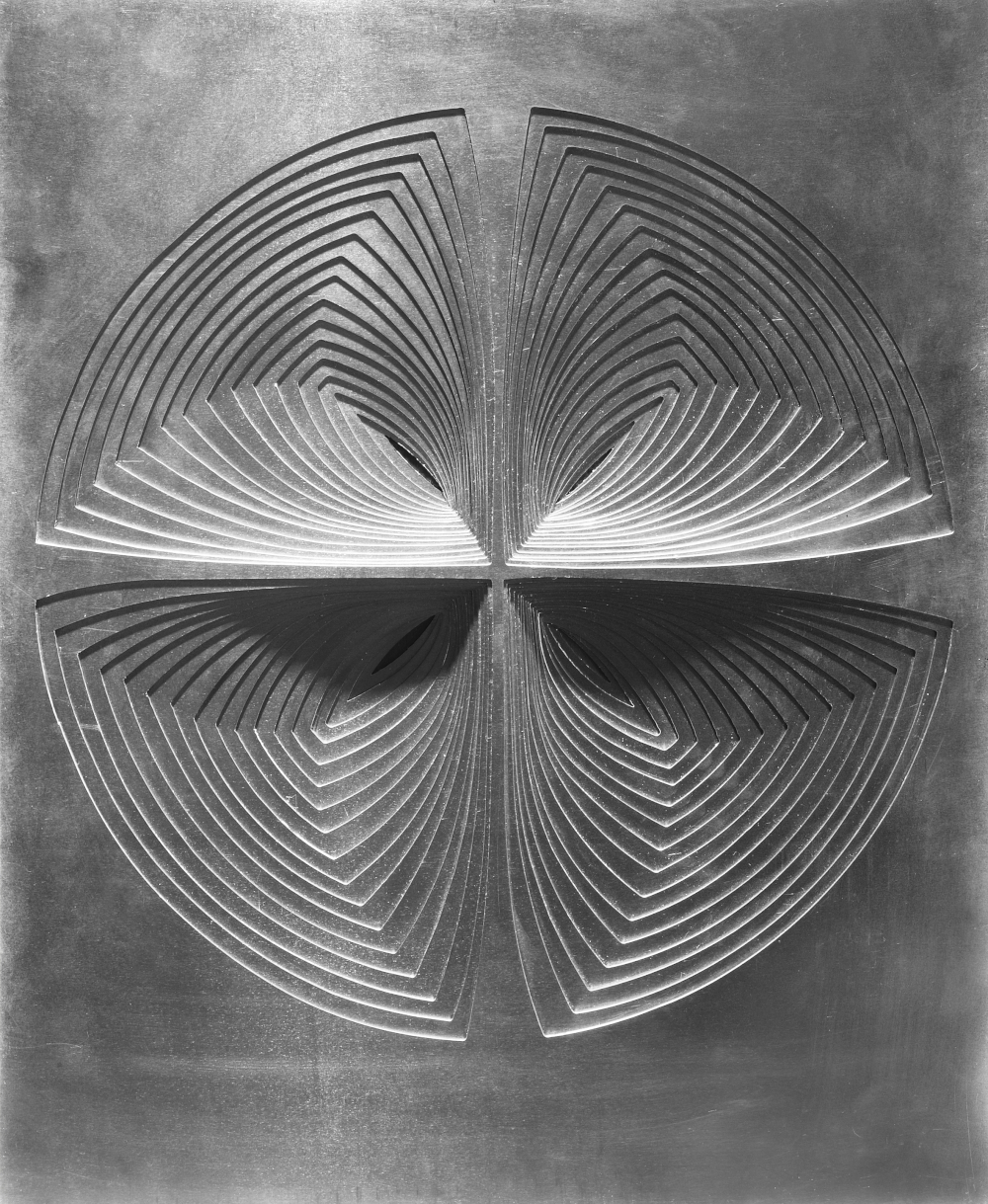
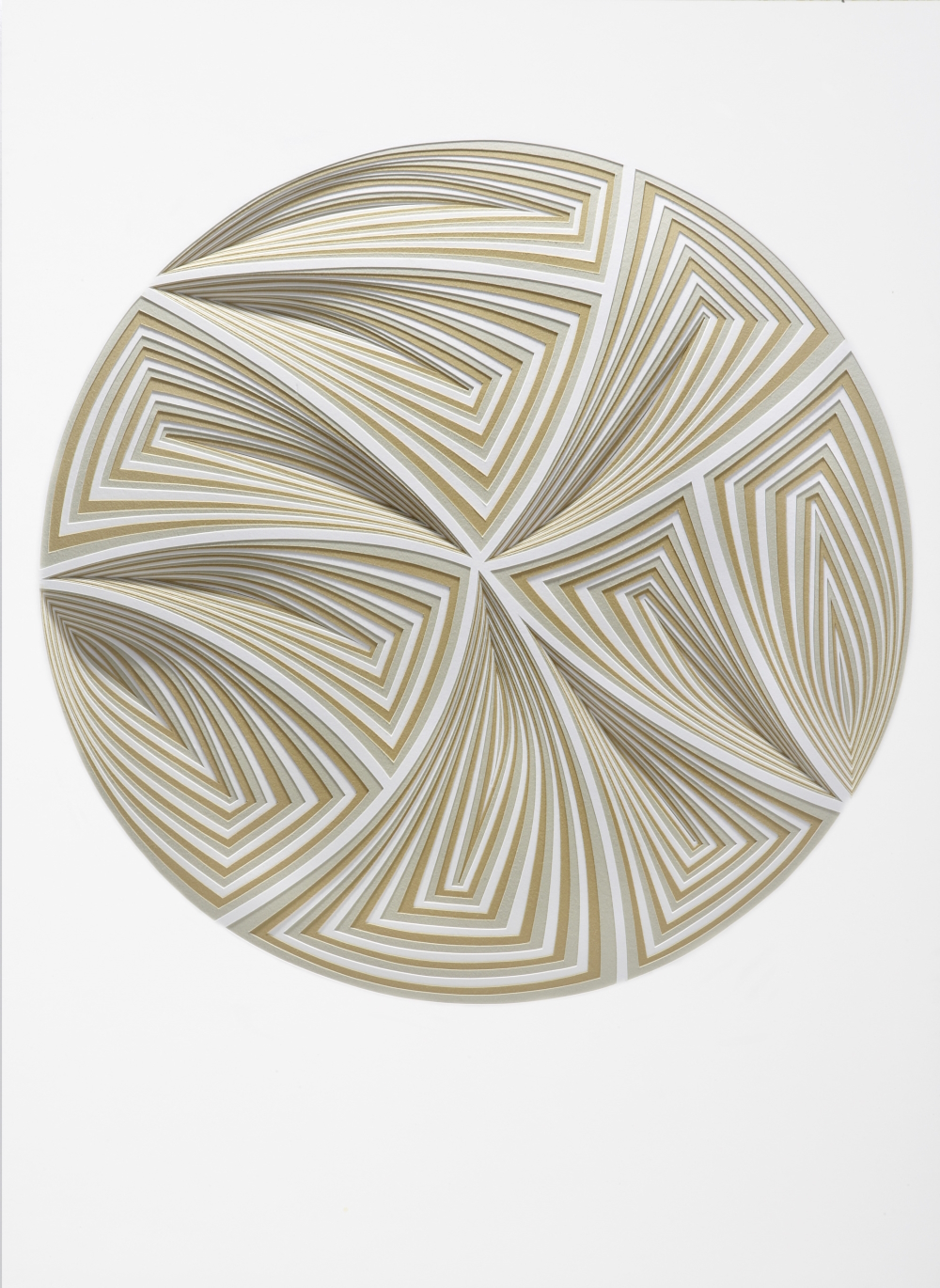
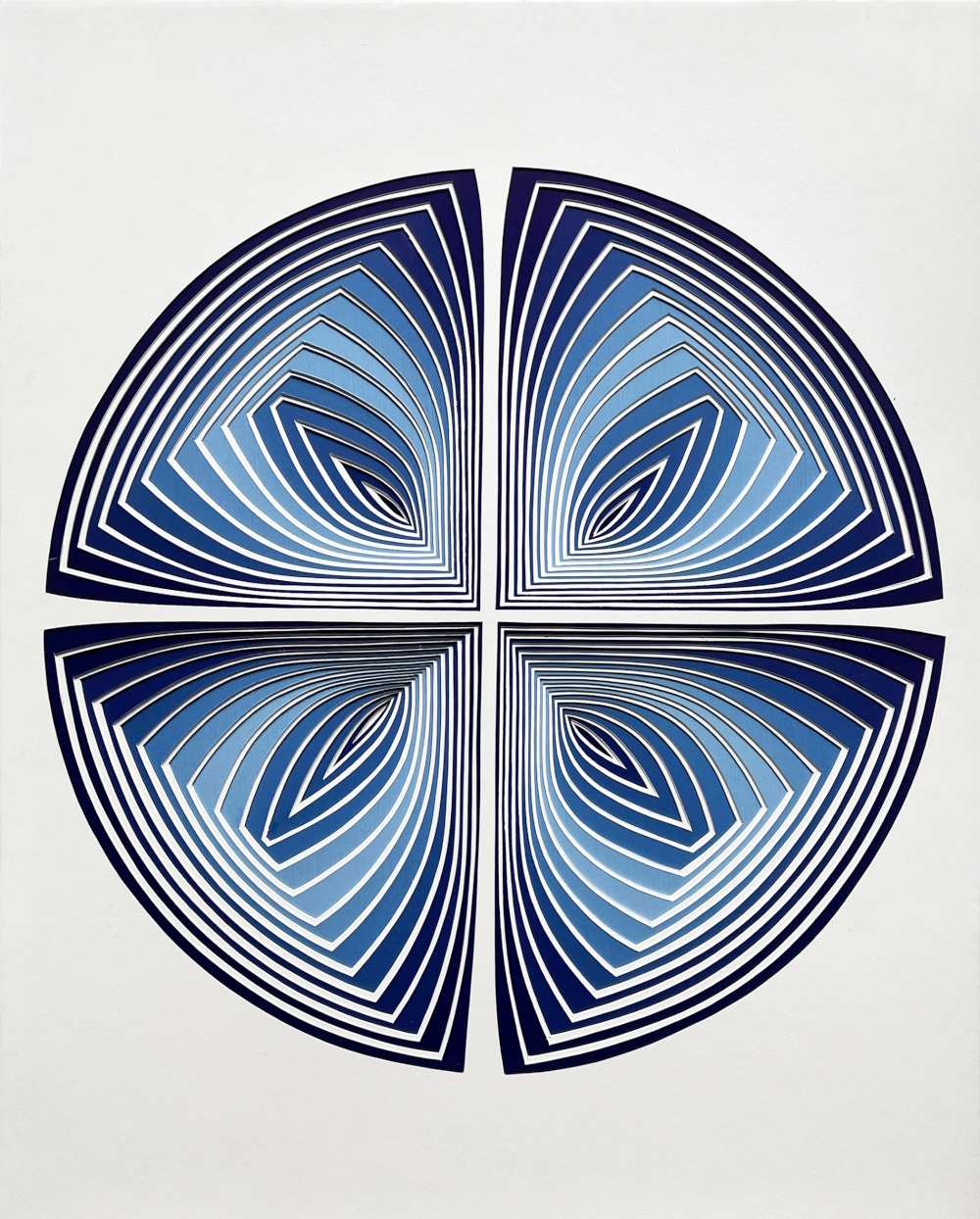
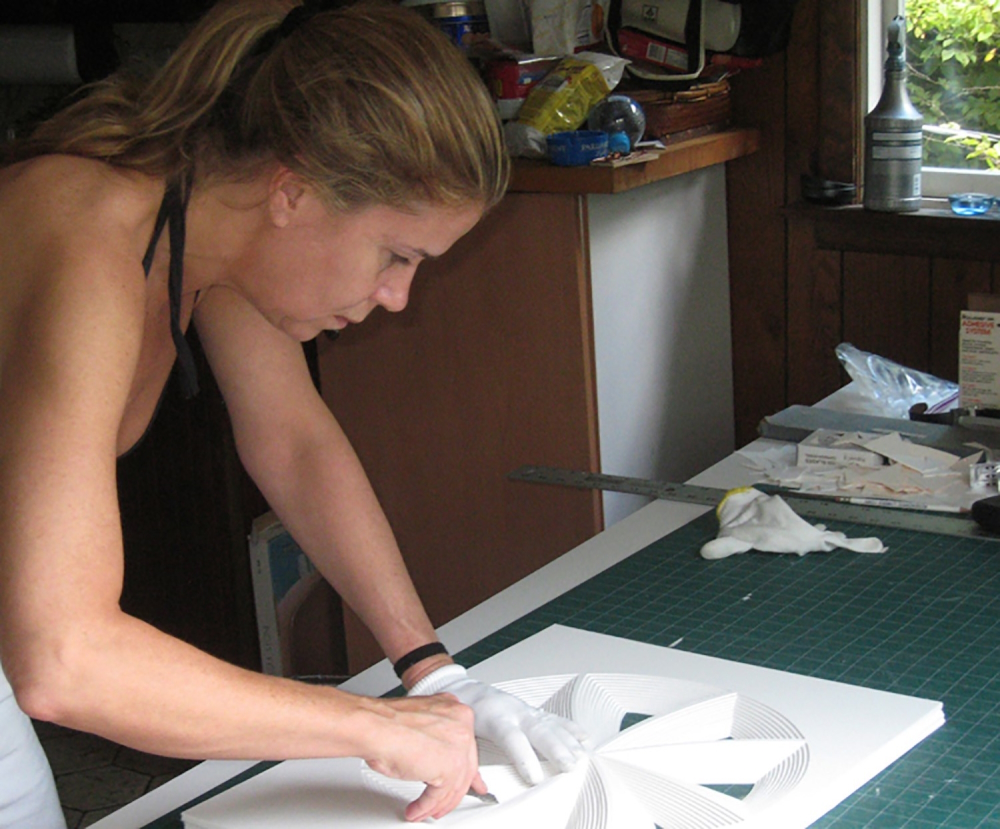
A surgeon’s scalpel or a 12-gauge shotgun are not the obvious choices associated with art. But these tools are exactly what this American artist uses for creating unique 3-dimensional op art („short for optical art, is a style of visual art that uses distorted or manipulated geometrical patterns, often to create optical illusions,“ Wikipedia). The stunning effect of what she calls “Cut Work“ impresses with geometry, precision, symmetry, balance and abstraction in a play of light and shadow. The meticulously crafted multilayered images are neither sketched up front—they‘re developed spontaneously—nor computer-generated, but freehand sculpted! Their seamless look is based on the skills of their creator, who has worked in the fashion industry for decades and had her designs appear in major fashion magazine editorials, including VOGUE, Harper’s Bazaar and InStyle. Nevertheless one day she quit the secure job and jumped in at the deep end for her artistic self-realisation!
Elizabeth Gregory-Gruen
Visual Artist
US
“Success isn't the key to happiness. Happiness is the key to success. If you love what you do, you'll be successful.” This quote from Albert Schweitzer (1875–1965), the French-German polymath, theologian, organist, musicologist, writer, humanitarian, philosopher, and physician, might appeal to Elizabeth Gregory-Gruen’s career in its professional past as well as the artistic present and future.
Growing up as a third-generation artist with her mother and grandmother being into painting, she was born in Cleveland, Ohio on December 27, 1966 and relocated to Chicago, Illinois as a child where she tried oil paint early on but noticed she wasn’t taken with it. The situation was quite different in her teens when she began exploring cutting up multi-coloured paper to create layers. It was the clear lines and graphical patterns visible in them that fascinated her, especially since, thanks to her family environment, the youngster was introduced to the world of Frank Lloyd Wright. The influential American architect, designer, writer, and educator (1867–1959) designed more than 1,000 structures over a creative period of 70 years – the Solomon R. Guggenheim Museum in New York being one of his most famous. However at the time, there was no way of knowing that Gregory-Gruen’s passion would one day lead to exhibitions of her one-of-a-kind artworks.
Young Elizabeth studied fashion design in New York from 1985. After graduating Parsons School of Design with a BFA four years later, she worked for J.Crew, a multi-brand speciality retailer of clothing, shoes and accessories. After that, at Searle Blatt & Co. Ltd., a prominent fashion brand and speciality retail chain primarily known for its high-quality men’s and women's luxury coats, and shearling garments. Followed by an employment at the company of fashion designer Elie Tahari and his eponymous luxury ready-to-wear fashion brand. And finally, as a design director of licensed women’s coats for Michael Kors. The American fashion designer’s clean lines and architectural integrity were to her taste. Nonetheless, she quit the permanent position in 2013 and decided to focus on her Cut Work artistic explorations from her youth.
“The image is determined in the top layer of the paper,“ (museumofnonvisibleart.com) is the start of the description of her creative process. “There are no guides or planned drawings, the images are cut from the gut. An adhesive is added under the top layer, followed by another layer of paper: this layer is cut… The process continues, creating multiple layers. As the cut pieces are removed, a relief image is simultaneously created. Once all the elements are in place, two complete images emerge.“ The initial series was white on white, exuding an aura of calm. A serene and divine purity resonated from the tone-on-tone work.
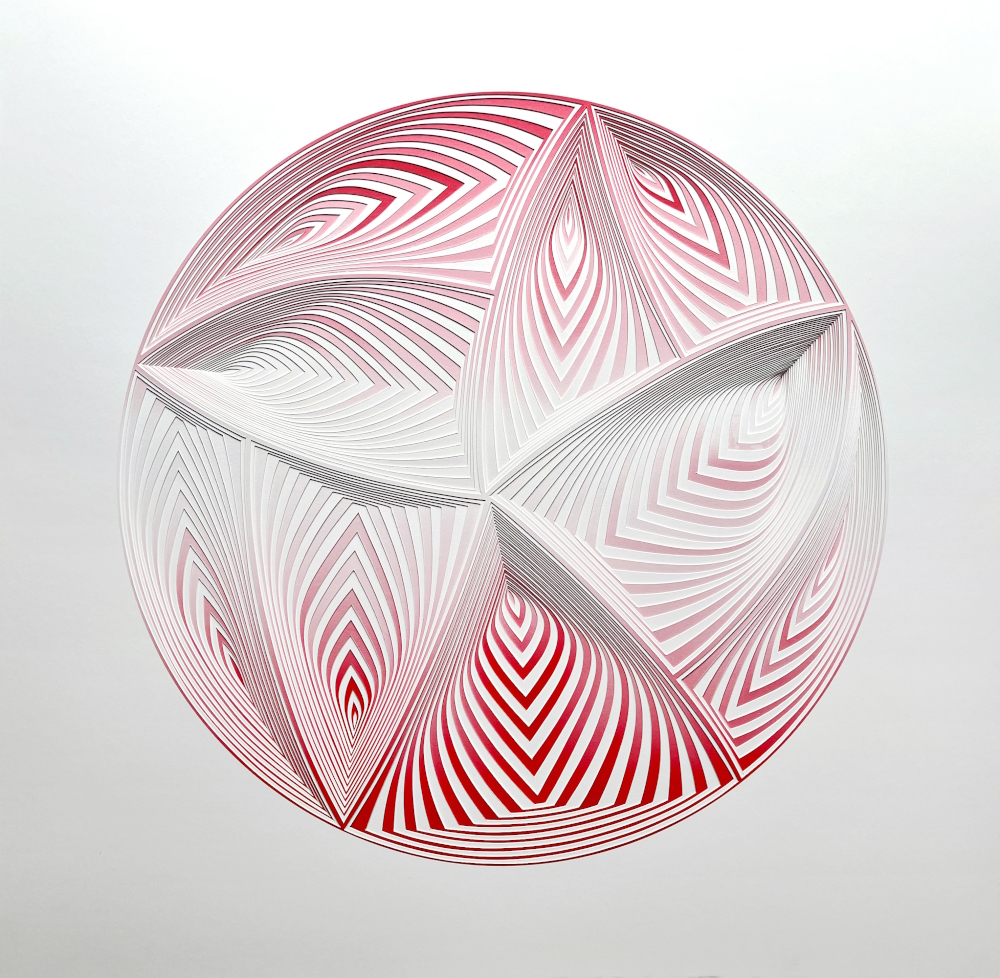
In the next step, Elizabeth Gregory-Gruen started color infusion. That was done in a strictly controlled way to sharpen the image only. At first sight it appears in one dimension. After inspection, movement and depth are revealed. The visual knowledge adds dimension, often creating an image within an image.
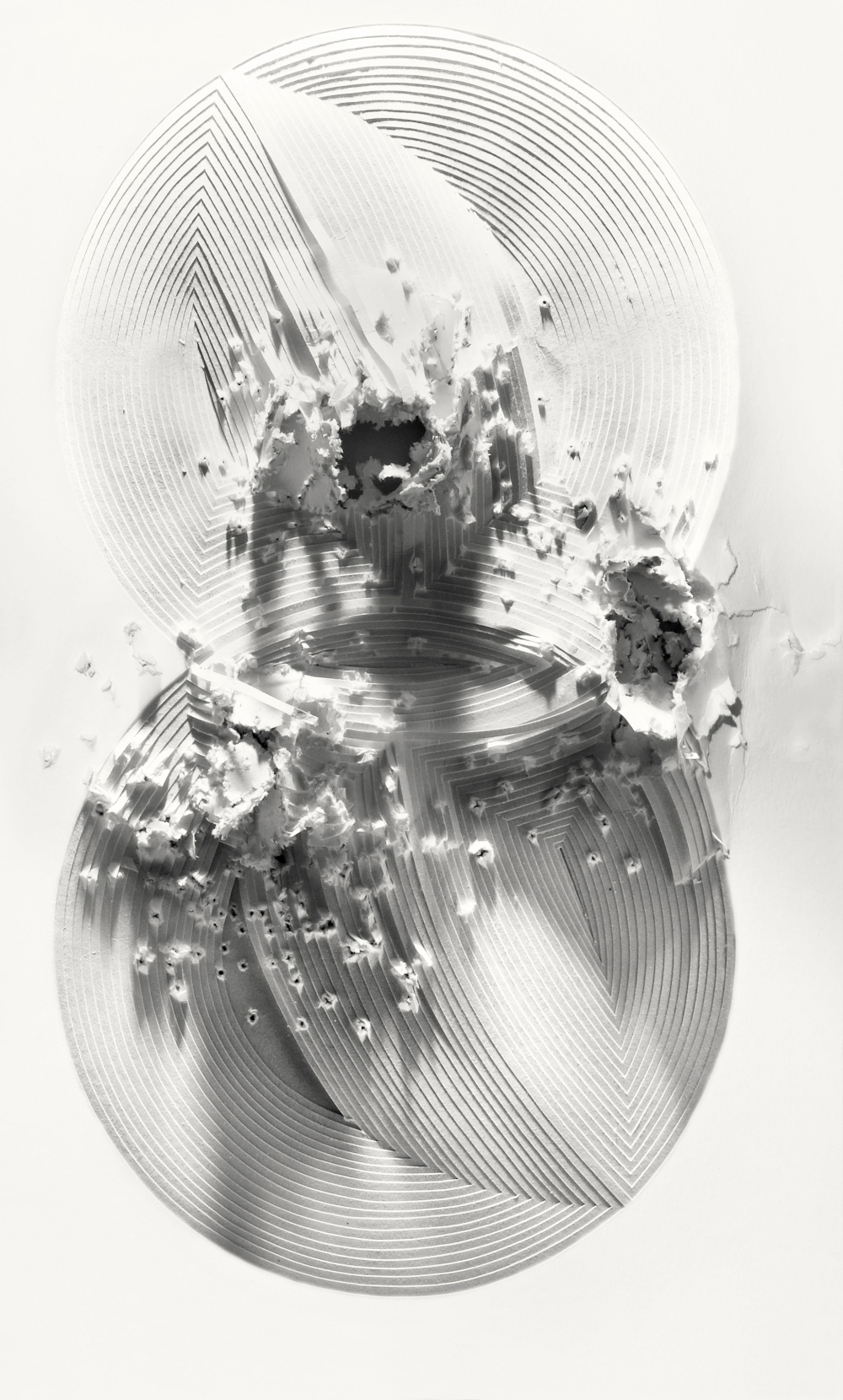
By using a 12-gauge shotgun for violently blasting the cut image, it deconstructs the unity and harmony of the art piece. Why does she do this? „To open the mind to addressing violence and elegance simultaneously,“ she states on her website.
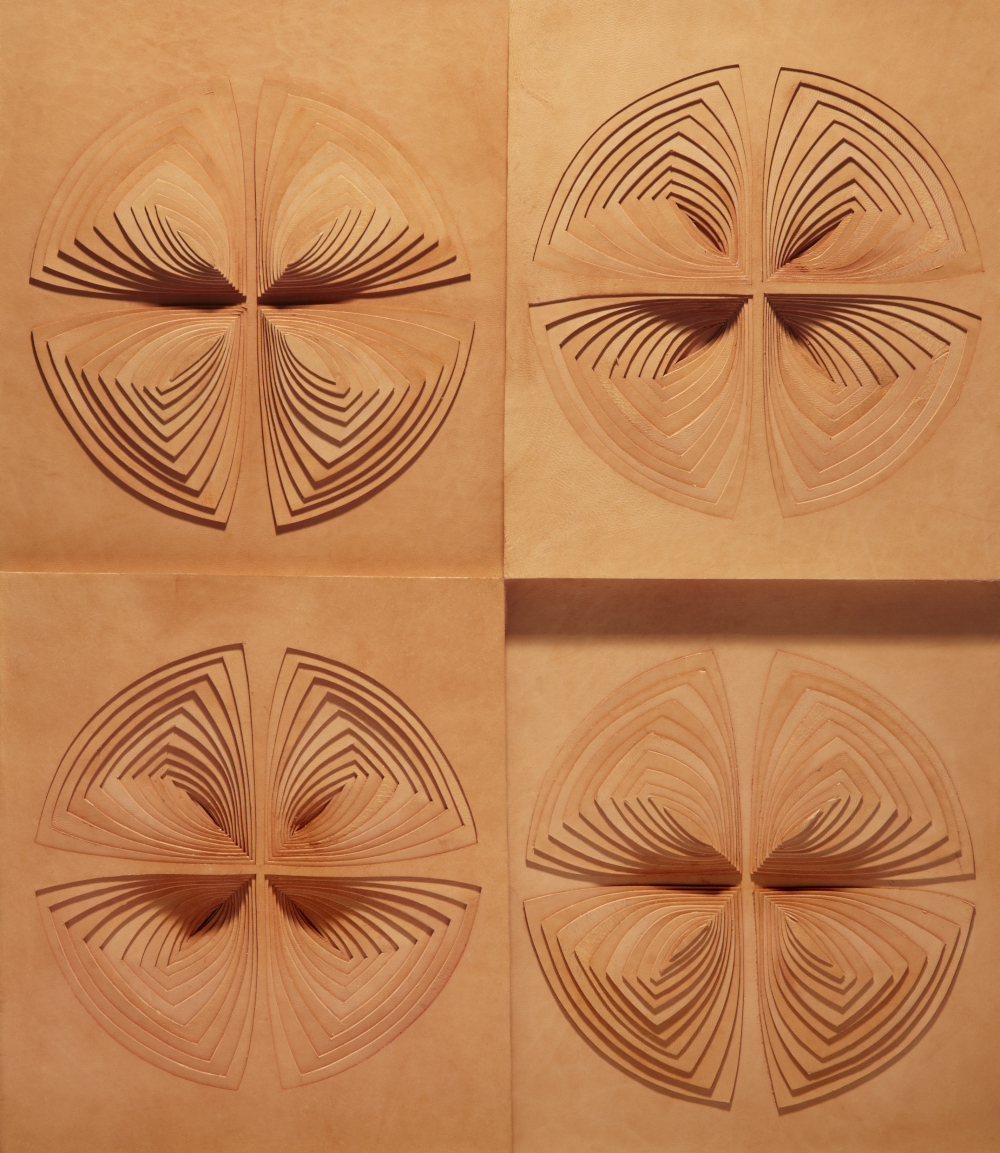
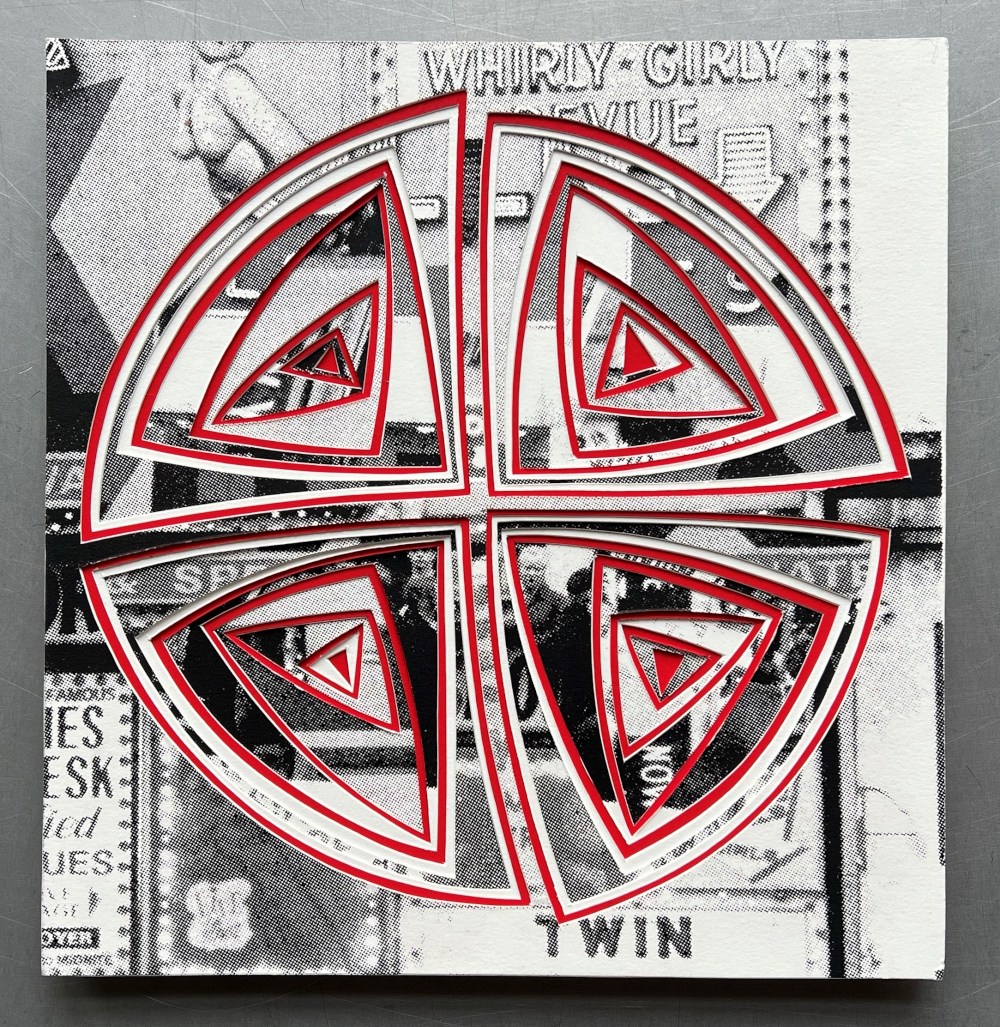
Not limited to using only paper for her reverse reliefs, Gregory-Gruen started working with different materials including leather and metal. Additionally, Elizabeth has been working on the archive of her husband Bob Gruen; the legendary Rock’n’Roll photographer https://divine-spark.net/creatives/bob-gruen since 2014. Through this archival work she discovered his New York City images taken in the 1970’s. She collaborated with Gary Lichtenstein, a master silkscreen artist, to create silkscreens of the photo images. She then cut and layered the photo silkscreened paper with gouache painted board and white 2 ply museum board. By interweaving the raw vitality of the New York City images fusing with the nuanced precision of the photo silkscreen and the spontaneous vitality of free-hand cut paper, Gregory-Gruen creates a visual artwork that reverberates with an electrifying presence. The combination of these elements evokes a profound engagement that encapsulates a dialogue of texture, form, and the ceaseless rhythm of the city.
“I don’t even know until halfway through if the piece is going to be anything that I want to keep or continue with,” the creator told ourtownny.com of the often weeks-long process creating her geometric cut works made mostly with a two-ply museum board. “I’m always discovering with it, and it’s different every single time.“ The idea for each emerging pattern “just comes“ as she works. “You just have to clear your mind and pull the lines,” and be in tune with a sort of meditative aspect to the evolving process, she said. “In the end, it tells a story and brings the viewer into a conversation with the movement of light and color.”
Her artworks aren’t just visual objects. They include a deeper meaning and message too. “It’s an examination of humanity,“ Elizabeth Gregory-Gruen told Peninsula Hotel Art. “I’m working with a circle, which is the circle of life. Within that, there are all these lines which are freehand or which create the vibration and symbolise the movement of live. Shadow also plays a part, because it’s ever-changing.“ Her quote on amny.com sums it all up: “My work is about embracing life, being open to discovery, and not having preconceived notions. Ultimately, the imperfections are perfections. We have to accept ourselves.“
Elizabeth Gregory-Gruen lives and works in the West Village neighborhood of Manhattan in New York City.
Interview October 2026
Art as an examination of humanity: "imperfections are perfections!"
INTUITION/IMAGINATION
?: How does intuition present itself to you – in form of a suspicious impression, a spontaneous visualisation or whatever - maybe in dreams?
It’s a combination of all three. Even the smallest seemingly benign moment can spark an image or idea.
I try to have awareness of my surroundings and the emotional reponse.
?: Are ideas written down immediately and archived?
Sometimes notes or a photo but, never really followed up. Only the essence is embraced.
?: How do you come up with good or extraordinary ideas?
I don’t get in the way of my thoughts. I clear my mind – I don’t have expectations only the opportunity of discovery.
?: Do ideas arrive as a whole, or as a seed that evolves through endless trials and errors?
I make drawings as an excercise to keep muscle memory in my hand. Sometimes an image will present itself repeatedly. I rarely consult the drawings when I am cutting. They complicate the process. The drawings become a distraction. There is purity in the process that requires a fresh view into the subconscience.
?: What if there is a deadline, but no intuition? Does the first fuel the latter?
When I make a commission artwork based on an image from the past it is impossible to recrate that original moment. This process is different as it does require not only a plan but, setting aside the original ceberal process where I am truly comfortable. It is a challenge I am willing to take to get the work out there.
As for a commission or project that is requiring a new image – this process requires problem solving in truth. The client wants to be part of the process so I need to work them into the artwork. It is challenge but, worthwhile as I never know what I will discover.
INSPIRATION
?: What inspires you and how do you stimulate this special form of imaginativeness?
Inspiration comes from everything I see & feel. My father taught me how to sit at a cafe and just observe the world around us. This is the best excercise. I take in the each unique moment and let it resonate. Collecting visualizations and feelings is intregral to the cut work process. I have to be open to new images and ideas to keep myself and the work vital.
?: How do you filter worthwhile ideas from bad ones?
There are no bad ideas persay. Some might not be right for the current moment or need. Many ideas I have go into a holding pattern until they become useful.
?: Does an idea need to appeal to you first, or is commercial potential essential?
This is a double edged sword. Yes, I would like all ideas to be appealing but, I need to work.
The process can become a negotiation with myself as to how commercial the artwork should be.
The rent needs to be paid. I do not solely trade in the concept of art for the sake of money but, I am realisitic. If I am to continue working, a little negotiation is helpful and beneficial to evolving the work. You never know...
?: Do you revisit old ideas or check what colleagues or competitors are up to?
There are occasions where I will revisit an idea but, I really enjoy working with forward momentum. I have incorporated past ideas while moving them on to the next level.
I am curious and really like to see other people’s work and support friends. I do not want make it a competitive experience.
The Cut Work is a reprieve for me as I follow my own intuition – it is that freedom I strive for. I never want to lose that magic to a competition. Also, creative pursuits are subjective.
CREATIVITY
?: What time or environment best suits your creative work process — for example, a time and place of tranquility or of pressure?
Both are essential. I need a deadline. I find them helpful. I try to schedule a show of new work once a year. This allows me to clear my mind of ideas so I can continue moving forward in the evolution of the work.
I began working in cut paper in my teens and set it aside for fashion design. In the early 2000‘s, I began reimagining the cut paper artwork when I was lucky enough to find a space near the Catskill reserves in New York. I have always made this work in these tranquil surroundings. I really don’t know how working in NYC would effect the work.
?: “Things are not difficult to make. What is difficult is putting yourself in the state of mind to make them,” is a quote from Constantin Brâncuși, considered one of the most influential sculptors of the 20th century and a pioneer of modernism. What’s your path from idea to creation?
Clear the mind and summon your energy and know you are in for an amazing ride.
?: Speed and grasping the magic of the moment, or a slow ripening and elaboration?
Speed is neccessary when I cut paper. Obsessing over each line null and voids the intent. The movement carries an energy that needs to be released.
?: How important are self-doubt and criticism by others during this process?
I am a tough critic of my work. If I feel the work is not up to standard I put it away for a day or sometimes longer. More often than not, I find a treasure after the artwork has been re-discovered.
My Cut Work is in a creative field that is considered subjective. Yes, there will be criticism. I choose to be open and engage. Who knows I might learn something.
?: Better to work alone and trust your instincts, or in a team?
My work is not a group activity, it is singular. The work is achieved through my energy coming though the scalpel directly into the paper. It is a direct line.
?: Creative block, or worse, real failure — how do you climb out?
Step away...take a walk – change the enviroment or find a repetative project to distract. I like to cook, it is a great destraction and with a satifying return.
?: Stay true to yourself and take risks, or make concessions to the market and clients?
This is the ongoing process in creating artwork. I do both – each situation is unique. But, I do advise clients about the process – imperfection is the perfection, reminding them why they like the work – it is the vibration articulated in each cut line that makes the artwork alive and everchanging.
?: How is innovation possible once you have a distinctive style?
I have pondered this. Thoughout the evolution of my artwork I have incoprorated and experimented with new material and color infusion even a collab with silkscreen artist who brought the same spontaneous approach to the paper that I later cut.
I like having a distinctive style. It is the language I made to engage the viewer in a visual conversation.
?: Is it good to be ahead of your time even if you risk not being understood?
This is an impossible question. I feel that the opportunity to create artwork is one of most amazing pleasures in life. The job of an artist is to make the work and perhaps, be able to tell a story.
I find that being in the right place at the right time is where the appreciation begins – there is some luck involved as well. But, the bigger question is when is the right place and time? In this case, it is best to follow your sixth sense and just keeping making the work.
?: When does the creative process end? Or is it always a work-in-progress?
It never ends if you are lucky.
?: How does artificial intelligence change human creativity? Do you use AI, or would you use it?
AI creates another avenue for artistic creation. We are human and will always have a curiousity about how an artwork was achieved and why it affects them.
To me the human story is more interesting then a set of prompts. There maybe a time when a set of prompts is the human story but, it is not there yet. From my prospective prompts are not sexy and the irony that the information derived from the prompts is actually been scraped from all of our own creations is extrodinary.
Ultimatley, once a new shiny thing appears humanity is fascinated, but in time the shine disepates because everybody has access. It flattens.
I would like to think a body of work derived from actual experience / story has more long term residence. That said, as the information derived from AI is based on all of our experiences is it not the same as an artist taking in information and using their language to explore and create an artistic conclusion? In essence we are a conduit as well. Same but different.
SUCCESS
?: “Success is the ability to go from one failure to another with no loss of enthusiasm.” Do you agree with this quote, which is attributed to Winston Churchill, the former Prime Minister of the UK?
Yes, this is how it works if you are creating. You have to be stubborn with yourself and never let a failure deter you. This is the message of life.
?: Should or can you resist the temptation to recycle a ‘formula’ you're successful with?
It depends on how the word formula is defined. If it defined as a technical process, yes once an artist finds a signature technique it provides a base line to launch further exploration into the cerebal aspect of the work.
I have to admit that when I do commissions based on earlier works it can be said that they might be considered formulaic, especially if the artworks are created in multiples. But the artworks themselves are never exactly the same as they are cut in real time. The relationship that I have with my tools changes everyday. The technical process may remain the same but the outcome is unique. So, no I do not subscribe to a formula, at best it is the technical process.
?: Is it desirable to create an ultimate or timeless work? Doesn’t “top of the ladder” bring up the question, “What’s next?” — that is, isn’t such a personal peak “the end”?
For me; there is no end. The process is infinate as long as I am standing.
MY FAVOURITE WORK:
'Red White Fade Circle - In’ taps the imagination providing an intermission from the ordeals of life. This work combines the spontaneous nature of Elizabeth Gregory-Gruen’s free hand Cut Work technique incorporating unique color blends of master silkscreen artist Gary Lichtenstein. The cut work and silkscreen processes share a relationship of energy resulting in unexpected visual dynamic.