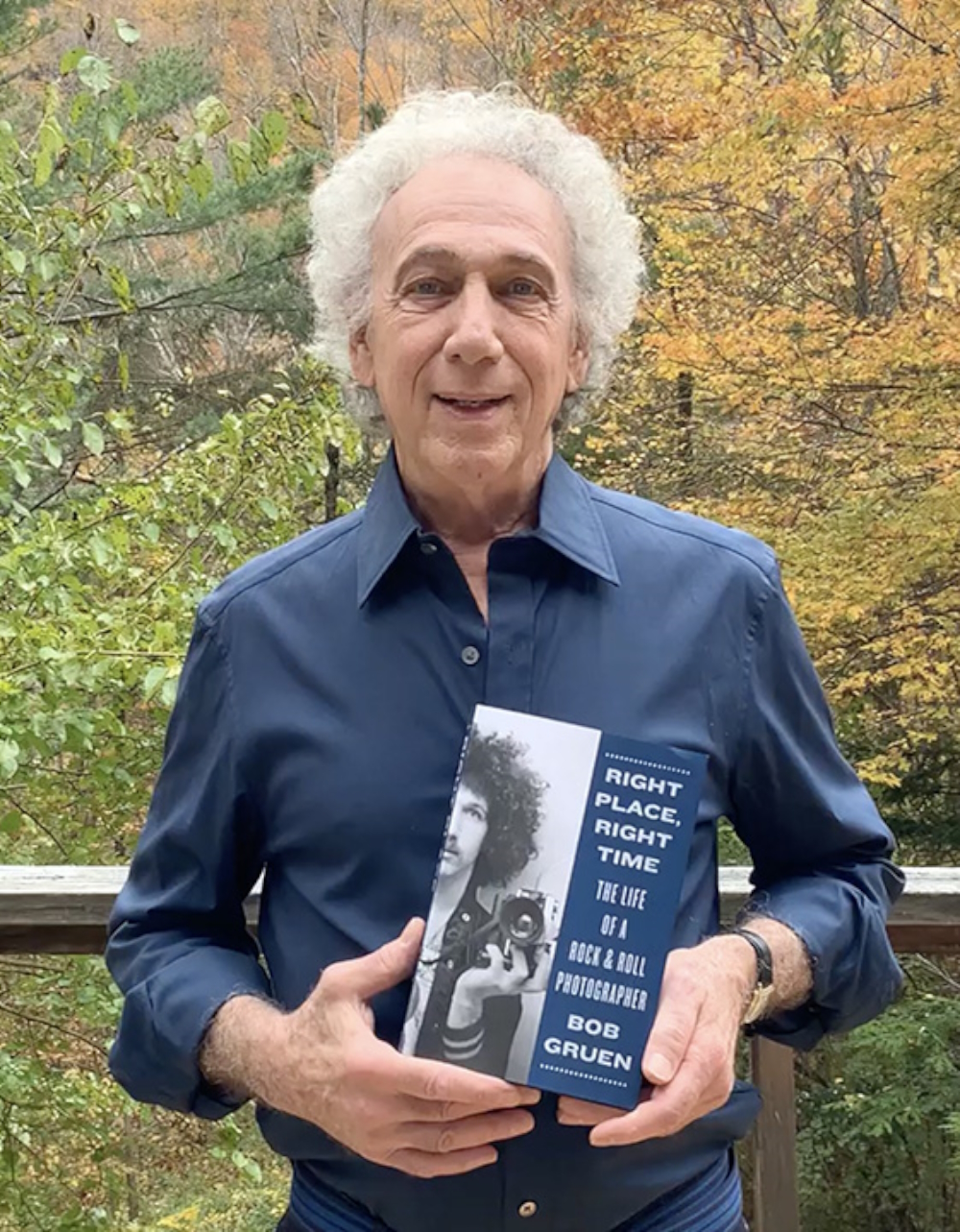
Bob Gruen
Rock’n’Roll photographer
US
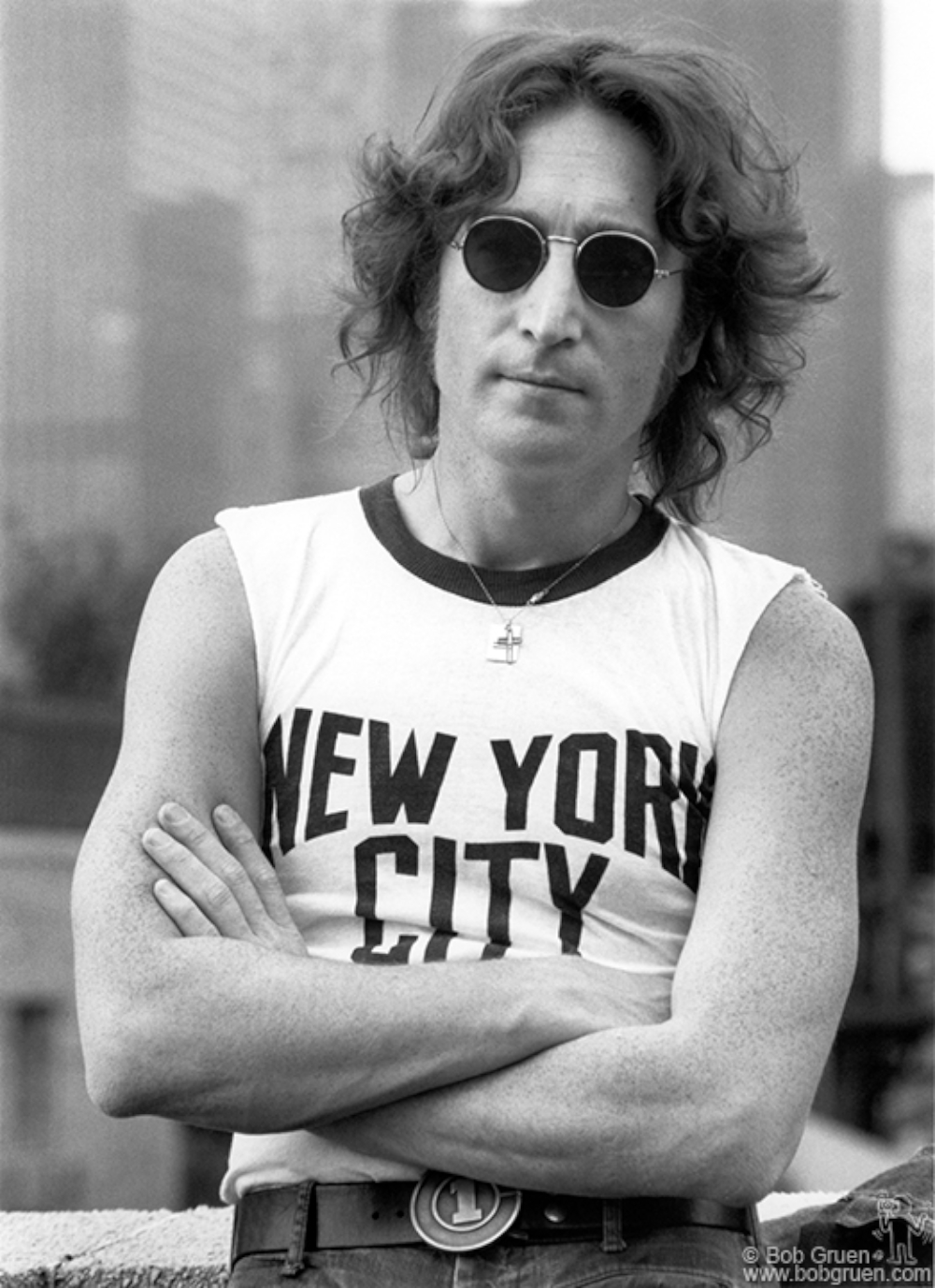
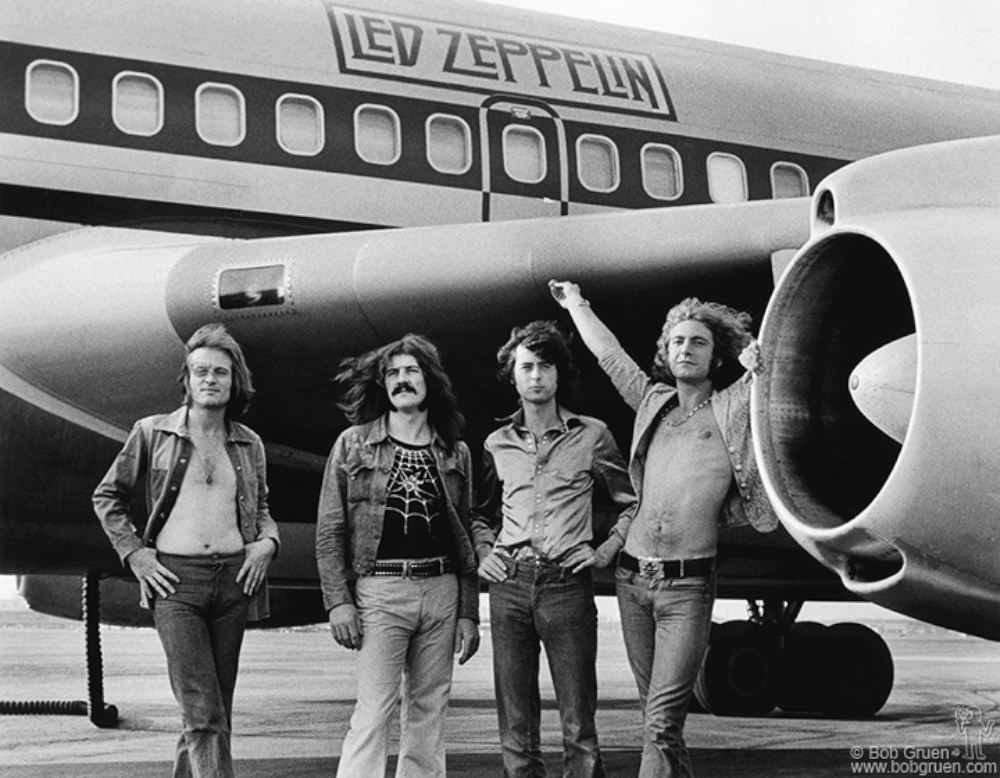
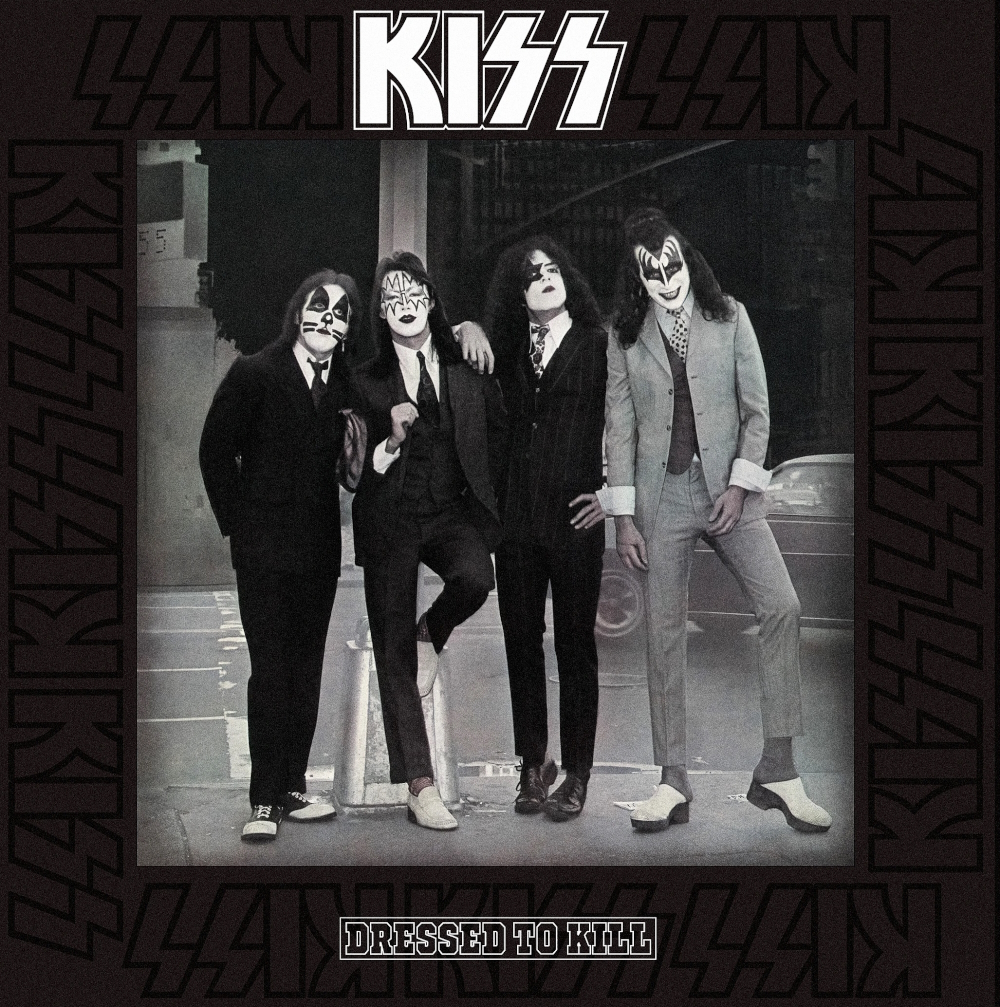
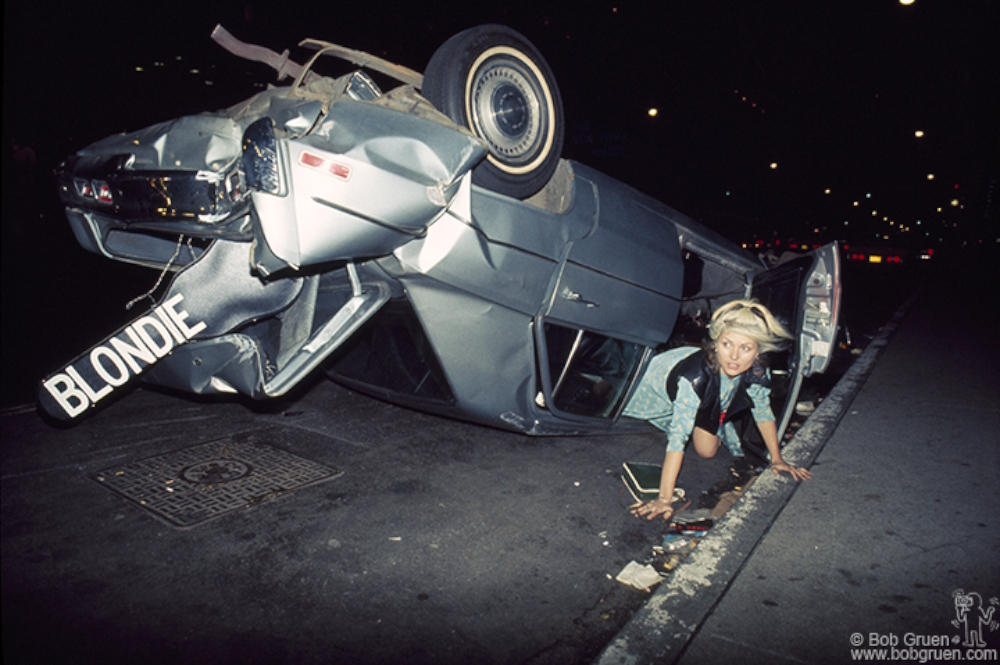
John Lennon wearing a sleeveless New York City T-shirt with the Manhattan skyline blurred and visible behind him. The former Beatle in front of the Statue of Liberty. Bob Dylan live. Led Zeppelin and their airplane. Kiss. Tina Turner. Queen. Blondie. The Sex Pistols. Of all these legends and hundreds of acts more (from AC/DC to ZZ Top), this American took some of music’s iconic pictures. “By the mid-’70s he was already regarded as one of the foremost documenters of the scene, working with major attractions and also covering the emerging New Wave and Punk“ (Wikipedia). His work that‘s used extensively in print is included in the collections of The National Portrait Gallery in London and The Museum of Pop Culture in Seattle. It has been exhibited at the Museum of Modern Art in New York, the Brooklyn Museum, Sotheby’s S/2 Gallery London, The Beatles Story Museum, various museums and galleries across Asia, Europe and North & South America. Looking back at the start of the illustrious career of “rock and roll most famous photographer“ (Rolling Stone magazine), all what he got when trying to receive his first press pass for a soon-to-be historic concert was an unmistakable “No!“
Bob Gruen
Rock’n’Roll photographer
US
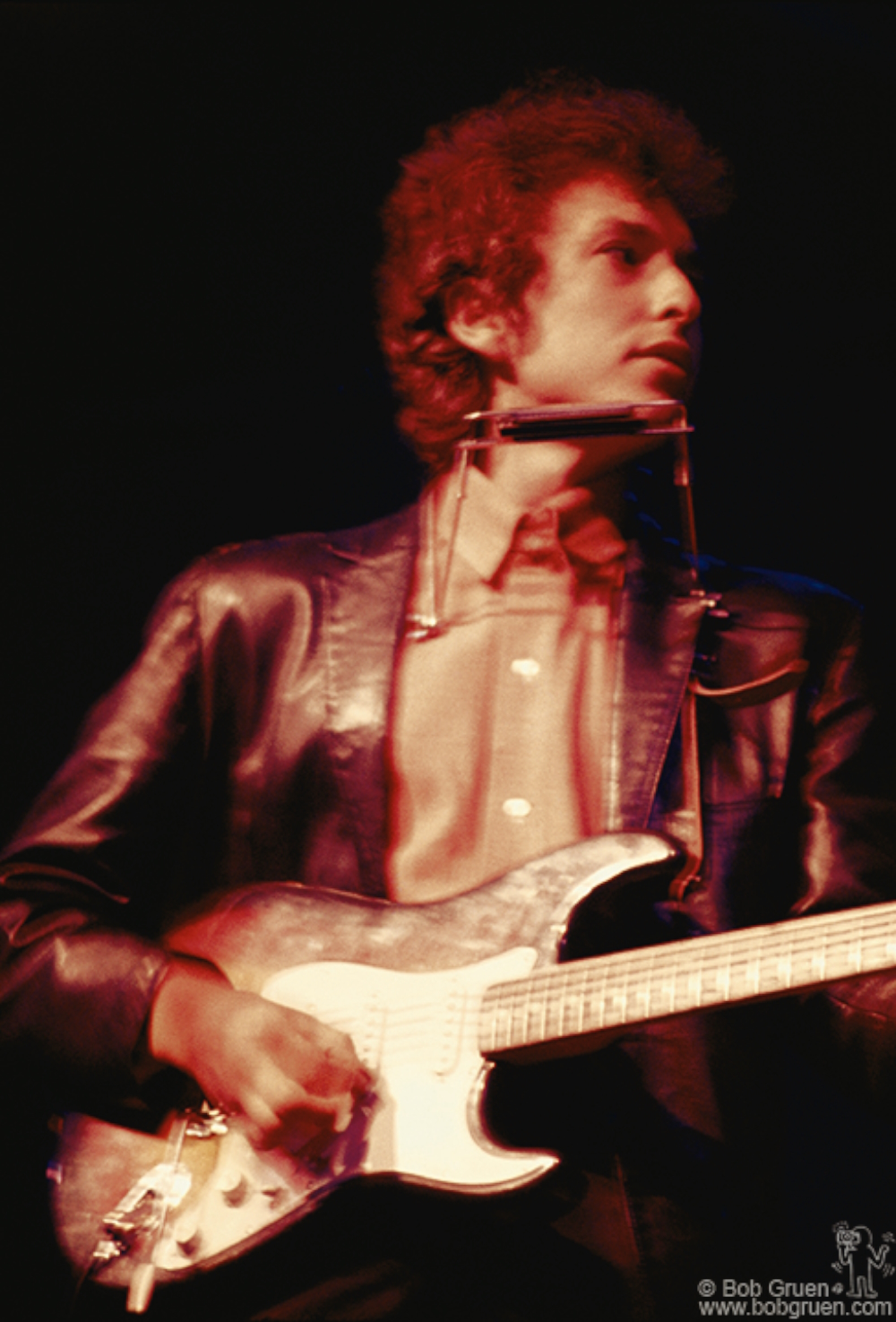
Sunday, July 25th, 1965. Bob Gruen is at the Newport Folk Festival in Rhode Island. The 19-year-old wants to photograph Bob Dylan in particular. A good choice as the famous singer/songwriter - to everybody’s surprise – he‘ll play his first-ever electric rock set and shock the folk purists with it. "I had to kind of talk my way into it, 'cause when I first got there they said no," Mr. Gruen recalls on cbsnews.com. "He said his mother had taught him that "No" is not an answer to accept, "but it can be the beginning of an interesting conversation." Her advice worked this time too. The young man who had dropped out of college and quit his job in a photo booth at the New York World’s Fair got the special access permit and took his first concert photos.
Bob Gruen was born on October 23, 1945, in New York into a family of Long Island lawyers. At the age of eight he got his first camera from his mother, an amateur photographer. She taught him the basics of this arty craft that fascinated him from day one. Being just 13 years old, the teen had his first image of a fire brigade operation in the neighborhood printed in the local newspaper.
In the 1960s Bob Gruen lived with a folk-rock band in New York’s Greenwich Village. At one of their concerts he became known to Bob Crewe. The songwriter (for The Four Seasons), musician, and label owner decided to produce the debut album of Gruen’s friends (who recorded the titlesong on the soundtrack of the classic movie Barbarella). The publicist liked the images that Gruen had taken for Glitterhouse’s “Color Blind“ (1968) and hired him to shoot The Bee Gee’s tenth anniversary. So the ball got rolling for him, and one thing led to another for this man who was in the right place at the right time. That fact runs like a common thread through his entire career.
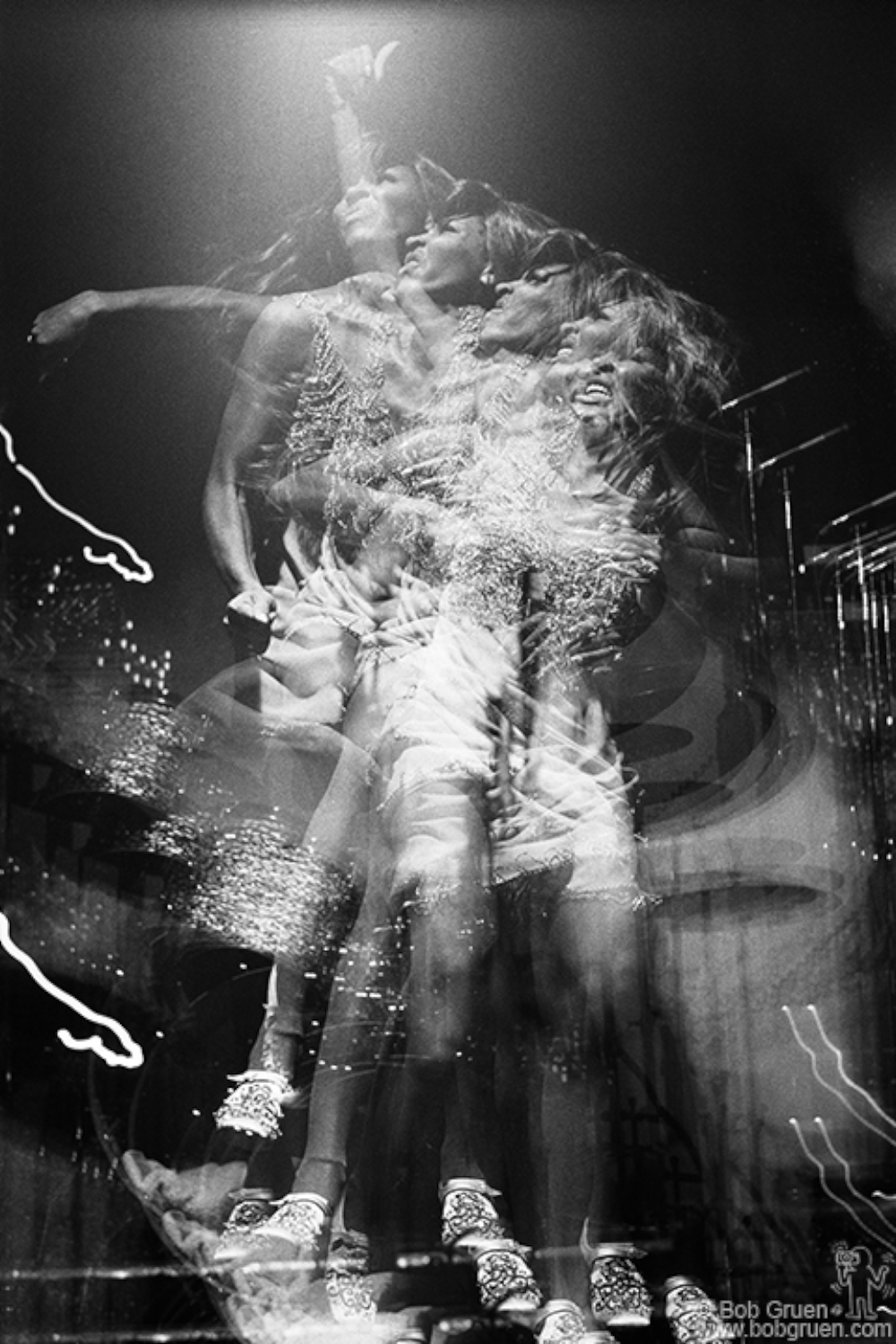
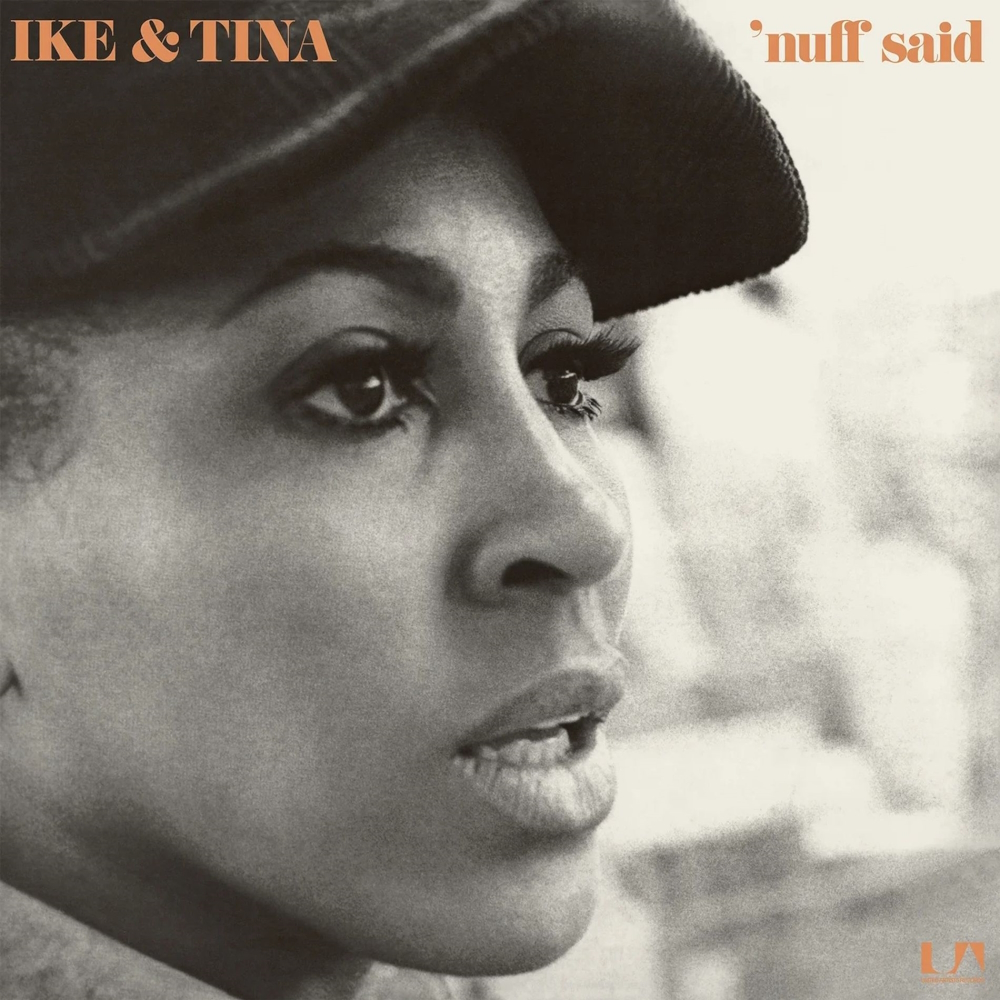
Wednesday, July, 8th, 1970, at the small Honka Monka Room in Queens/New York City. On stage: Ike & Tina Turner. Bob Gruen takes pictures of Tina Turner in the strobe light flashes. A few days later he visits another show of the famous couple and shows the b/w prints to the artists. They like the shots that show the frontlady‘s live excitement and energy in five facets on one image. The two introduce the young photographer to their then-record label’s publicist. 18 months later a Tina Turner photo taken by “BG“ in Los Angeles makes his first album cover (`Nuff Said, 1971).
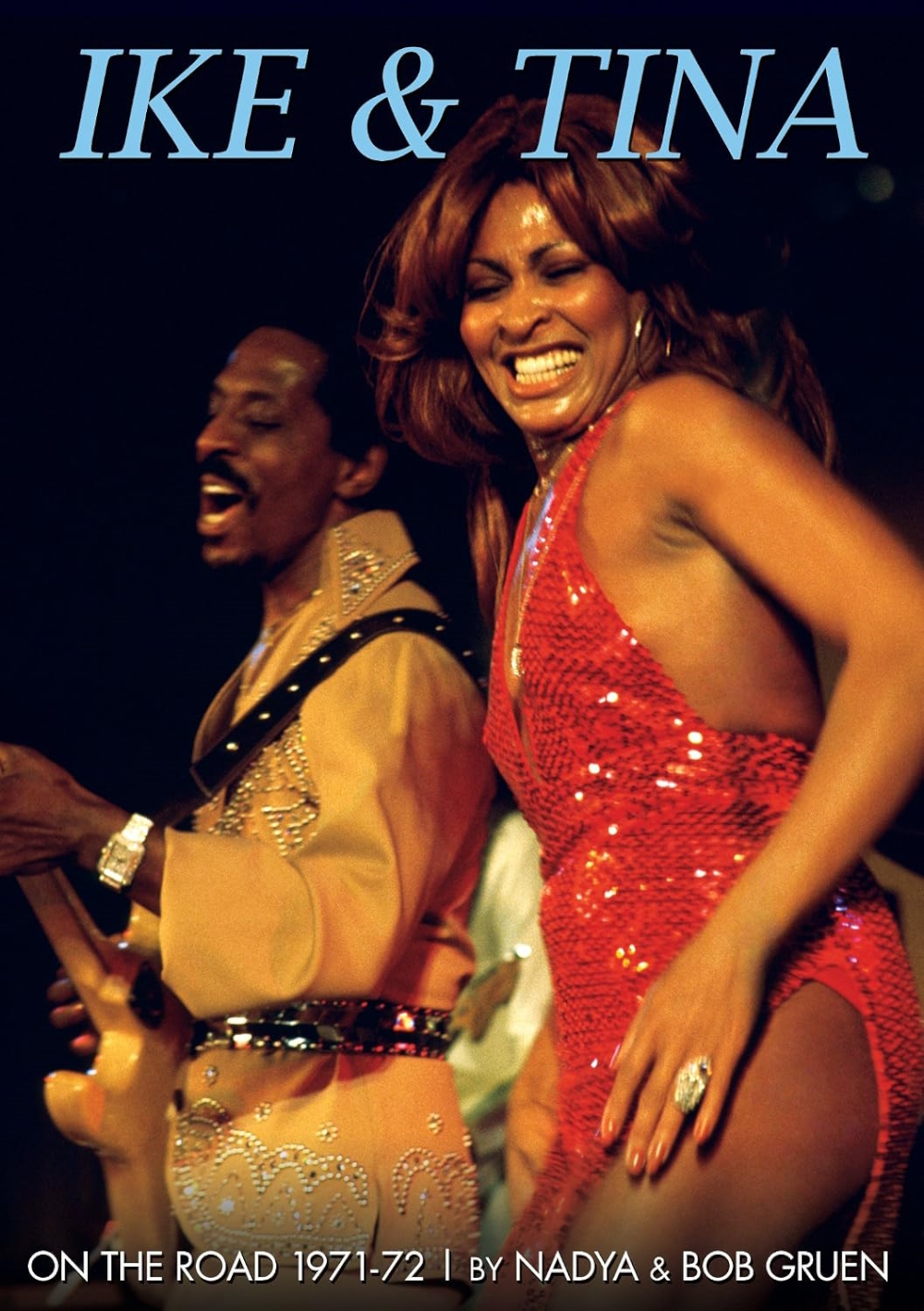
Around 1971 Bob Gruen bought a portable videotape recorder for a hobby and filmed in clubs as well the celebrities he accompanied on tour and often even in privacy. An example of that glimpse behind the scene is his documentary Ike & Tina Turner On the Road: 1971-72. And it was a publicist he met through the publicist the Turners introduced him to who convinced the record company into hiring their photographer for this up-and-coming singing piano player called Elton John...
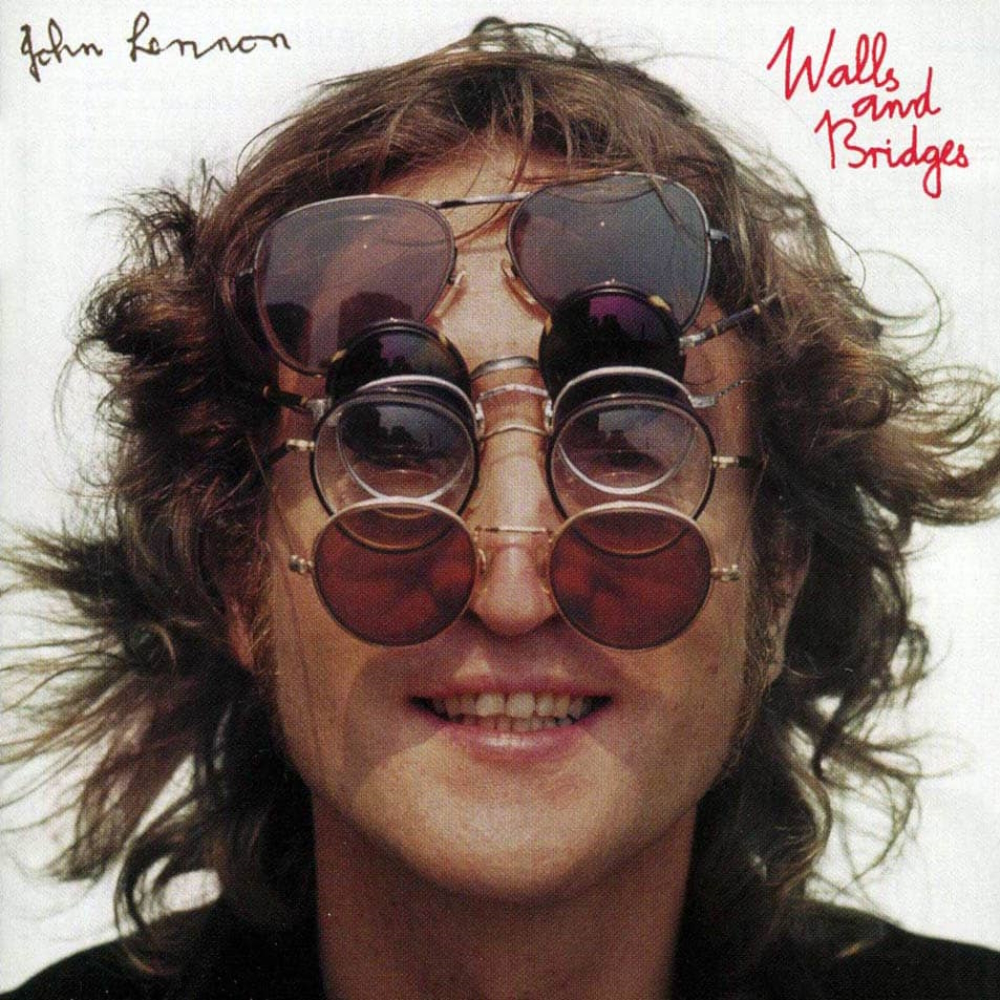
In August 1971 John Lennon and his wife Yoko Ono decided to leave the UK and settle in New York City. To capture their fresh chapter, Bob Gruen who lived around the corner quickly, became their main personal photographer. What started as professional photo sessions for press kits and a solo album like Walls and Bridges (1974) turned into a close personal friendship because "BG" treated the former Beatle like a regular person rather than a global icon. Lennon & Co. stays his personal focal point in lots of different assignments that Bob Gruen gets by recommendation and chance.
“Serendipity has definitely played a part,” confesses the much-awarded man with the at-ease personality on irishtimes.com. “Looking back, I think what I did was to turn any opportunity to my advantage. Sometimes people get the break, but they let it pass. My advice is don’t hesitate – you gotta seize them.“ But that’s just one side of the coin. The other is personal skills that he explained in the same feature later on: “Being an intuitive photographer is anticipating what might happen. You can’t see something and then catch it – you need to have good instinct, or you’ll never catch anything.”
The chief photographer for the influential American Rock Scene Magazine (1973-1982) doesn’t consider himself an artist in the traditional sense. He‘s more of a service provider. The basics of that assessement underlines his description on vancouverisawesome.com: ”There is the difference between being an amateur and taking the pictures you like and being a professional and taking the pictures that other people want. That’s a professional—where you do what the client wants, when they want it.” To sort the wheat from the chaff is an essential must in a shooting that often consists of countless photos. “Editing is absolutely key. I look for the picture that captures the passion and the feeling so that you have a feeling of that moment. A lot of people say that when they look at my pictures, they feel like they’re there. That’s the feeling I like them to have. I like to capture more than just the facts. I like to capture the feelings. For me, Rock ’n’ Roll is a feeling of freedom. Rock ’n’ roll is about the freedom to express yourself very loudly. So I try to edit to look for that moment!“
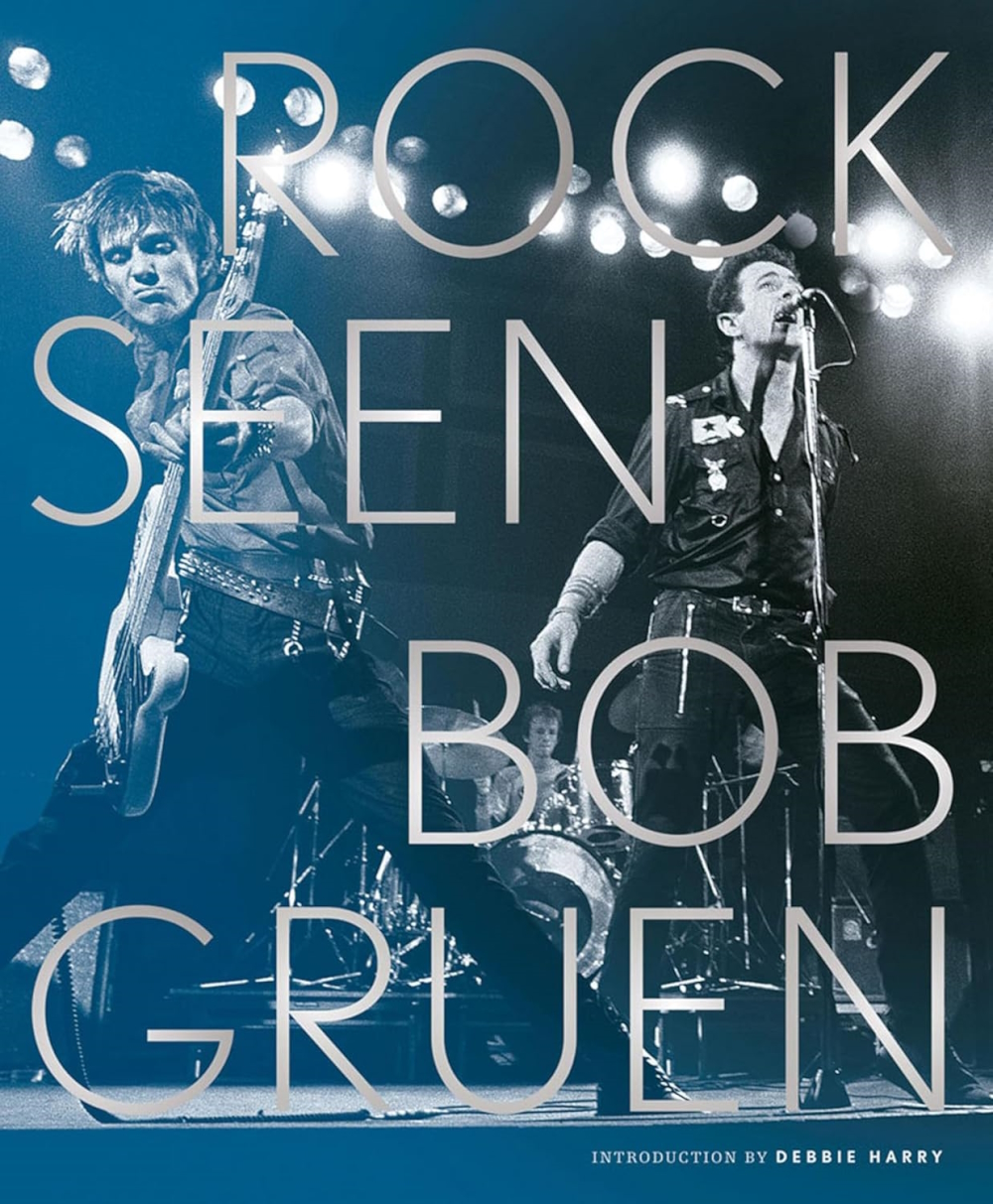
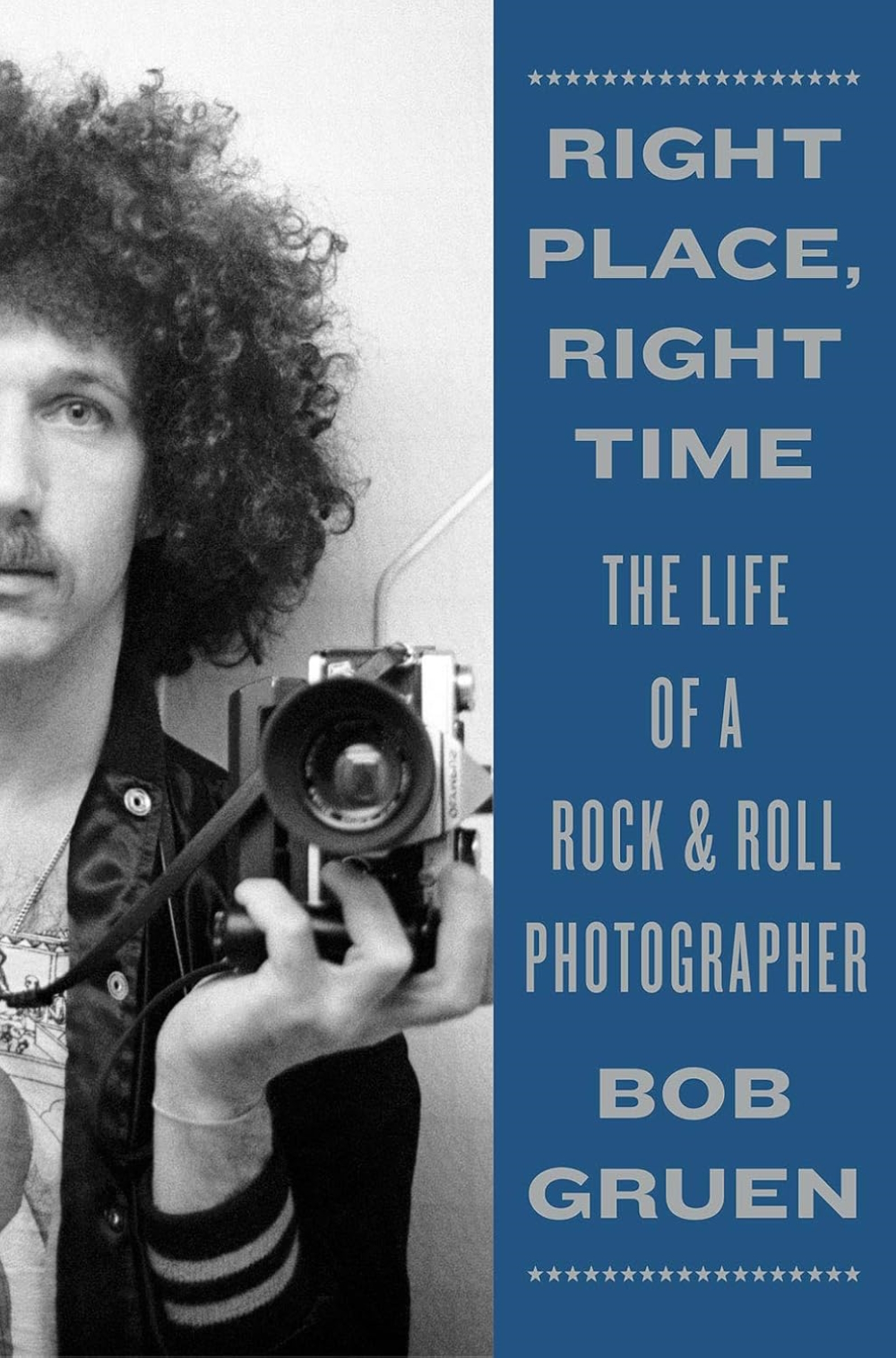
Gruen‘s work has been the subject of documentaries and roughly 10 books. Out of his lifetime collection filling 28 file cabinets of negatives and memorabilia, he compiled the book Rock Seen: Bob Gruen (2011) and his memoir Right Place, Right Time: The Life of a Rock & Roll Photographer (2020).
Bob Gruen who’s married to visual artist Elizabeth Gregroy Gruen and supports various charitable organizations, lives and works in the West Village neighborhood of Manhattan in New York City.
Interview October 2026
Skills, serendipity & instinct: capturing the passion and feelings of freedom!
INTUITION/IMAGINATION
?: How does intuition present itself to you – in form of a suspicious impression, a spontaneous visualisation or whatever - maybe in dreams?
I don't dream it up. And nothing else what the question suggests fits me either. When I have an appointment to take pictures, I usually don't know what the situation is going to be. So I don't anticipate it. I don't think about it before I get there. Usually I just go somewhere where somebody is or they come to my studio and I just make the best of the situation. I don't have a pre-plan before I meet somebody. On a rare occasion, an art director might give me a sketch and say: “This is what we want.“ In that case, I just do that. It's not that I thought it up. I just do what they told me.
?: Are ideas written down immediately and archived?
No, no, I never have written an idea down and think of what might suit a person or not. I really just go by instinct in the sense of what's the best thing we could do in this situation. I rarely plan anything in advance. I'll tell you a good picture. But it's not something I would draw or sketch. I don't even talk about it in advance.
?: How do you come up with good or extraordinary ideas?
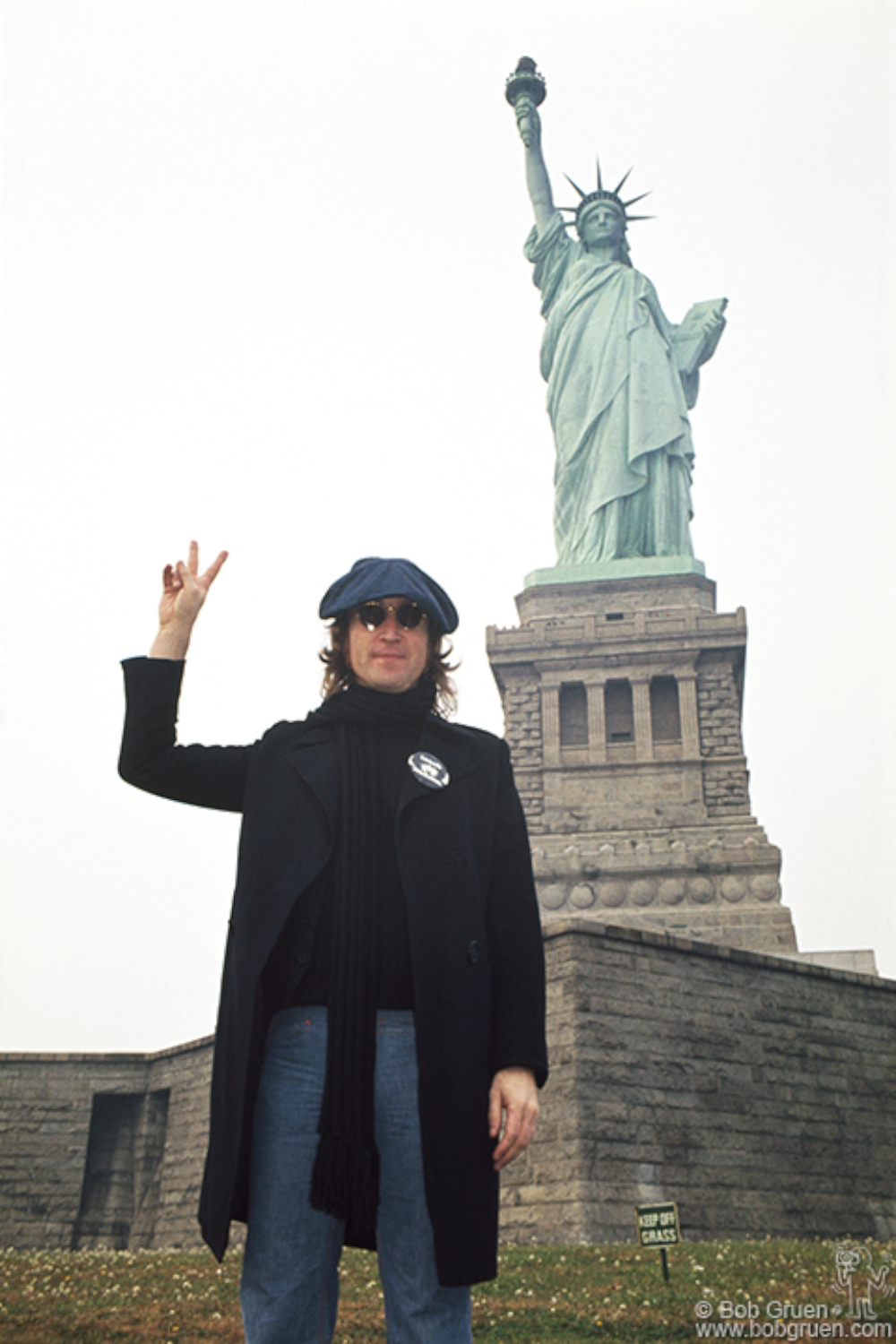
The one time I did think something up was when I suggested to John Lennon that we'd go to the Statue of Liberty and take a picture there. It was when the US government was trying to throw John Lennon out of the country, because he was talking about peace in a time of the Vietnam war. The government thought that that was hurting their war effort. So I felt that the Statue of Liberty was a symbol that we should be welcoming people like John Lennon. I suggested that we go to the statue and take the picture. But that's about one of the few times that I remember suggesting something. Another one was when I took The Clash on top of the Rockefeller Centre, where you see all of New York behind them. I suggested that one too. But I didn't imagine I knew what it was going to look like.
?: What if there is a deadline, but no intuition? Does the first fuel the latter?
I usually have deadlines and I always have to work in the moment, so that's what I do. I'm used to that.
I really don't have any plan that I have to follow.
Sometimes you have an assignment, you get a picture of this or get a picture of that, but it's not planned. And a lot of times when you're taking pictures of a concert, you have no idea what's going to happen. You just kind of take pictures as it goes.
INSPIRATION
?: What inspires you and how do you stimulate this special form of imaginativeness?
I simply do my best.
?: How do you filter worthwhile ideas from bad ones?
Well, I think editing is key. It is very, very important. For me, I pick the picture that has the most passion and the most feeling that when you see it, you get a reaction to it. Because for me, Rock’n‘Roll is all about freedom. It's about the freedom to express your feelings very loudly in public. It's all about that moment when everybody is screaming “yeah!“ Nobody's thinking about paying the rent. Everybody's just “yeah!“ All thoughts are just free and clear. Just being in the moment. I try to capture that moment in my photos. And a lot of people have said that. They see a picture of mine and they can feel the passion and the freedom and the feeling in the picture, rather than just the facts.
?: Do you revisit old ideas or check what colleagues or competitors are up to?
I really don't compete with those other people. I don't consider them competitors. I consider them colleagues because we're in the same place. Early on when I first was starting, there was a couple other photographers who we all ended up in the same place at the same time at the same concert. One of those guys was jealous of me for a couple of months, until we found out that we were both being published by the same magazines. He took pictures that were different from mine, even standing next to each other. We have different film, different lenses, and we're taking pictures at different times, capturing different moments. We were all getting work, and we didn't have to feel competition because we were colleagues. We were doing the same thing together, and we were all getting different views of things. That's how I feel about the competition. I'm not in competition with anybody. After a show all the photographers who have assignments from different magazines send their pictures to all the publications. When it comes down to it, an art director has all the pictures on the light table. He picks the best picture. He doesn't look at the name. He doesn't look and say, „Well, I signed this guy, so I better use his pictures.“ No, he wants the best picture in the magazine! If that came from somebody else, then that guy gets paid, not me. Because getting the assignment doesn't mean you get paid. You only get paid when a magazine publishes your picture. So even though you have an assignment, somebody else might get a better picture. Then they get the money.
CREATIVITY
?: What time or environment best suits your creative work process — for example, a time and place of tranquility or of pressure?
I'll go anywhere, anytime and make the best of it. I do take pictures in the studio. I always had a studio, but I feel that's very stiff. I feel that people aren't comfortable in a studio setting. You have to take them out into the world. So I much prefer to meet somebody in the dressing room, in the recording studio, at their home or wherever - in the street rather than in a studio. Some photographers like the studio because they can control the light and create what they want. I don't create what I want, I just capture it.
?: “Things are not difficult to make. What is difficult is putting yourself in the state of mind to make them,” is a quote from Constantin Brâncuși, considered one of the most influential sculptors of the 20th century and a pioneer of modernism. What’s your path from idea to creation?
I usually work with people and see what kind of ideas they have, how they want to express themselves. A lot of times you can just tell by the way a person is dressed, in the way they act. That's how they express themselves. I just try to capture that. I don't make up a situation. I don't want to say: “Whoopi Goldberg, get in a tub full of milk!“ I would never do something like that. People come in my studio and I take them for who they are, and I do the best of it. So it's basically grasping the magic of the moment, good moments of people.
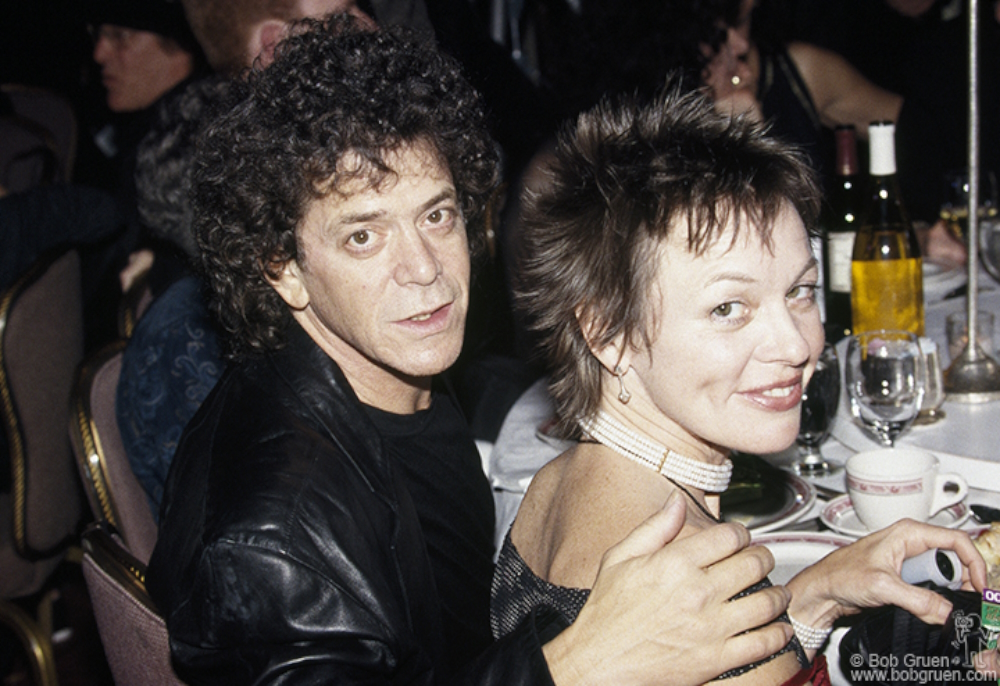
My favourite compliment from somebody is when they want an extra picture to show to their mother. I've had that compliment from people as different as Bo Diddley and Lou Reed, who I thought doesn't give out a lot of compliments. I once took a picture of Lou Reed and Laurie Anderson talking. Then he turned towards me and I took another picture. I actually made a print of each one, and I didn't know which one to give them because they looked really intense talking to each other, and they looked really good as a couple looking at me. I was looking at the prints actually about half a year. Then I got an idea to put them both in one frame. I sent that to him and I got a letter back that said that he liked the picture enough that he gave that picture to his mother. That made his mother happy. And he said: “If you make my mother happy, you made me happy.“ That's the greatest compliment that you could have gotten. If that's what he wanted to look like for his mother, I knew I had actually captured that.
?: Speed and grasping the magic of the moment, or a slow ripening and elaboration?
I'm very spur of the moment.
?: How important are self-doubt and criticism by others during this process?
I've been criticised. A lot of people think instead of saying, my pictures are soft, they say they're out of focus. And that's always been kind of a pet peeve, because I don't mean to make them out of focus. I mean to make them a little softer so you see the feeling instead of just the facts. So yeah, I get criticism and I don't like it. It's a 200 to 1 criticism. But mostly I get compliments. So I feel pretty good about myself. But nevertheless: you're at this assignment and always thinking “Can I pull this off? Am I going to do something good?“
You can overcome self-doubt by going on and hoping you get something good. When you get something good and people tell you you're good, try to listen to other people. Artists are always criticising themselves. It's rare that artists will make something to go. This is exactly what I wanted to make. I mean, there are always details that you couldn't accomplish. So when other people tell you, that's fantastic, you have to believe them. A lot of artists just wallow in their own sorrow. But I listen to other people. It's a funny thing if you're getting really depressed. Just imagine that when you walk into a room. Can you imagine where your friends are seeing you and smiling? If you imagine that you are that person, and you imagine that you see yourself and you make yourself smile. Then try to figure out why, the hell will somebody smile when they see you. And then maybe you can think of a couple of good things about yourself. If people smile when they see you, just figure out why. That brings your spirit up.
?: Better to work alone and trust your instincts, or in a team?
I've had assistants in my studio's darkroom for a long time, but usually when I go on a job, it's just me. Nobody can do what I do. So it's not like I have to hand off cameras here, load my camera for me. I don't do that. I'm pretty self-sufficient.
Nowadays, my wife comes along because I'm 81 years old, and she helps me to carry my heavy camera bags.
?: Creative block, or worse, real failure — how do you climb out?
I don't know if I've had a real creative block, because I usually get assignments and I just don’t have to think something up. I just do what I'm told. Sometimes if you get a very vague idea and you don't really know what's going on, it can be a little scary. And it's very scary to have a blank canvas when you can do anything, but you have to do something. You have to pick one something and do that. It can be very scary for orders to make the decision. What do I do? Where do I make the first line? Where do I want the picture to be taken? Where do I stand? What should this guy look like? Should I tell him to change his shirt? There are a lot of decisions to make, but I'm basing my view on what I think somebody else is doing. I want them to look like themselves. Sometimes I'll make a suggestion.
?: Stay true to yourself and take risks, or make concessions to the market and clients?
I just do what I do. And I hope that the client likes it.
?: How is innovation possible once you have a distinctive style?
One picture is worth a thousand words. If you see one of mine compared to other peoples‘, I have what's called a soft focus style. A lot of my pictures are slightly soft. I don't get really sharp edges. You don't always see every hair on somebody's head, but you see the feeling and the passion in the picture. And I think that if you get the feeling of the moment, then I've accomplished what I wanted.
My style is to do what's happening in the moment. So I can call that innovation, because every time I go somewhere, it's a different situation, different people, different lighting, different backgrounds. It's always, different for me.
If I compare my early pictures to recents ones, there’s no real difference, except I got better at exposure and technique in a sense.
Sometimes I look back and see that photo of Justice League, the group that evolved into the psychedelic/garage rock band Glitterhouse in 1967. I had these four friends of mine sitting on a stairwell. I took a picture closer up, more or less a head shot. When I see that picture I become aware it's the same that I've done all my life. I get four or five guys together. I get them to look at me and look pleasant. I get a picture and that's what I do.
?: When does the creative process end? Or is it always a work-in-progress?
When a concert ends, that's obvious. But when you're on an assignment, people come to the studio and there's the shooting. When do you say “Well, guys, that's it. Finished. We've got everything.“ What is this point in time? I mean, I can't say when. Sometimes somebody is really good and every picture is on. Other people, they just have one expression and they stand there. You kind of feel like you want to tickle them or something, make them move a little. I then have conversations with people that try to animate them, ask them questions.
Some people are difficult, but most people are there to have their picture taken. And so they'll move around and they'll look good. That's what it is. You always know you're done, when you have enough.
When you're taking pictures, you often feel "Oh, I missed that moment." Sometimes if you're taking it, you're okay. That's a good one. But you're not sure until you see it later. After a couple of times when you think you've got a few good ones and you're done, you know.
?: How does artificial intelligence change human creativity? Do you use AI, or would you use it?
No. In no way. I don't think AI is intelligent enough. It’s like talking to a three year old. They make mistakes, and I'm not interested in having somebody do something for me because I can do it myself.
I don't need it to make it easy. Because when I'm done, I feel a real accomplishment. We need to do something difficult. You have a sense of accomplishment much more than if you just do something easy until it's done.
SUCCESS
?: Should or can you resist the temptation to recycle a ‘formula’ you're successful with?
No, it's not that. It's what a band needs. A band needs a picture of themselves looking good so they can advertise it: “This is us! Please come and buy a ticket.“ It's the same for every band. It's like a business card. Every band needs to show what they look like. It's interesting that as much as the music is what a band is all about. They make music. That's what a band is.
The image of a band or an image of a musician is almost as important as the music. People want to know who's playing the music. What does he look like? How does he present himself? So it's a very important job to take a picture that somebody likes. A picture that says: “This is what I look like. Please listen to me.“
MY FAVOURITE WORK:
I have thousands of pictures and they all remind me of moments that were fantastic, so it's hard to name a favourite one. Which is better - John Lennon, the Rolling Stones, Bob Dylan at Madison Square Garden or Tina Turner anywhere I've seen her? It's hard to pick a favourite in a life like mine. I've had a lot of favourite moments. I'm very lucky that way.
Well, which picture should I choose? It’s probably the picture that started my career: the one of Tina Turner while a strobe light was flashing and it caught several images of her. I think it is one of my best, because it captures more energy than an ordinary picture.