Liberty DeVitto
(former longtime Billy Joel Band) drummer
US
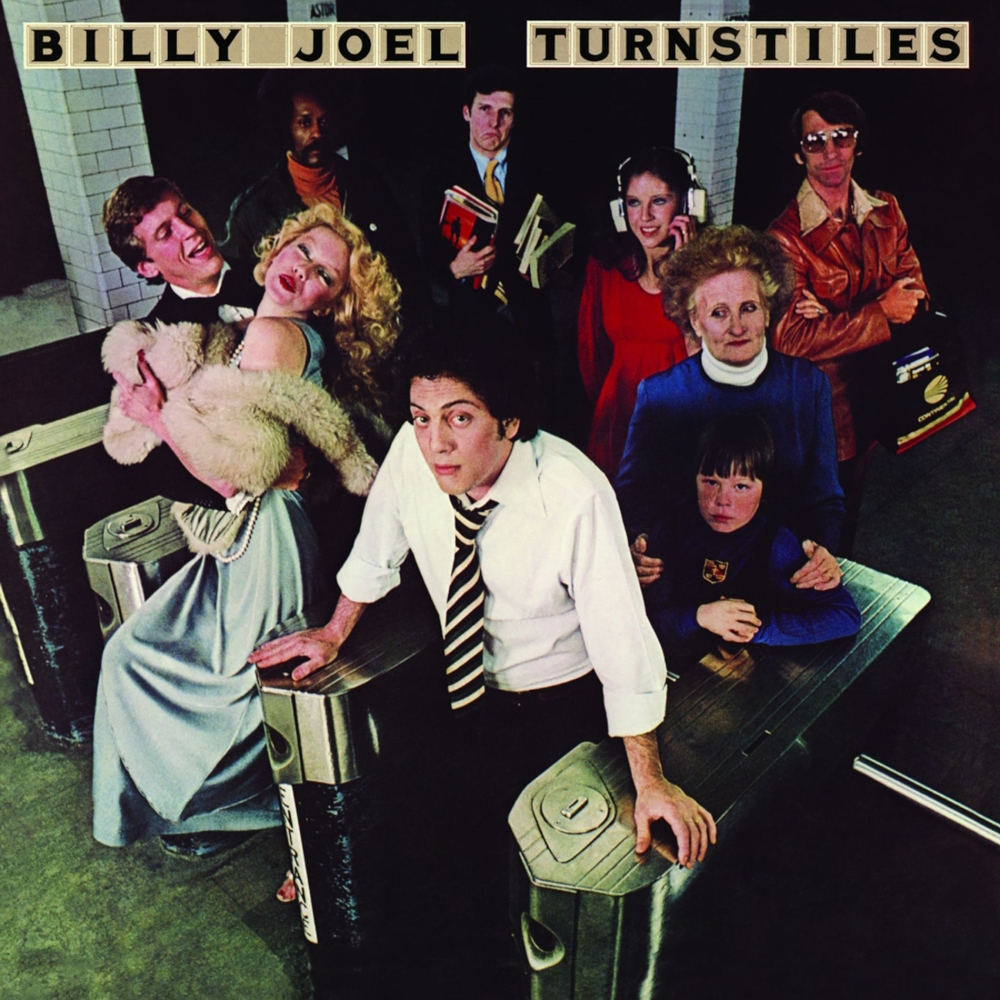
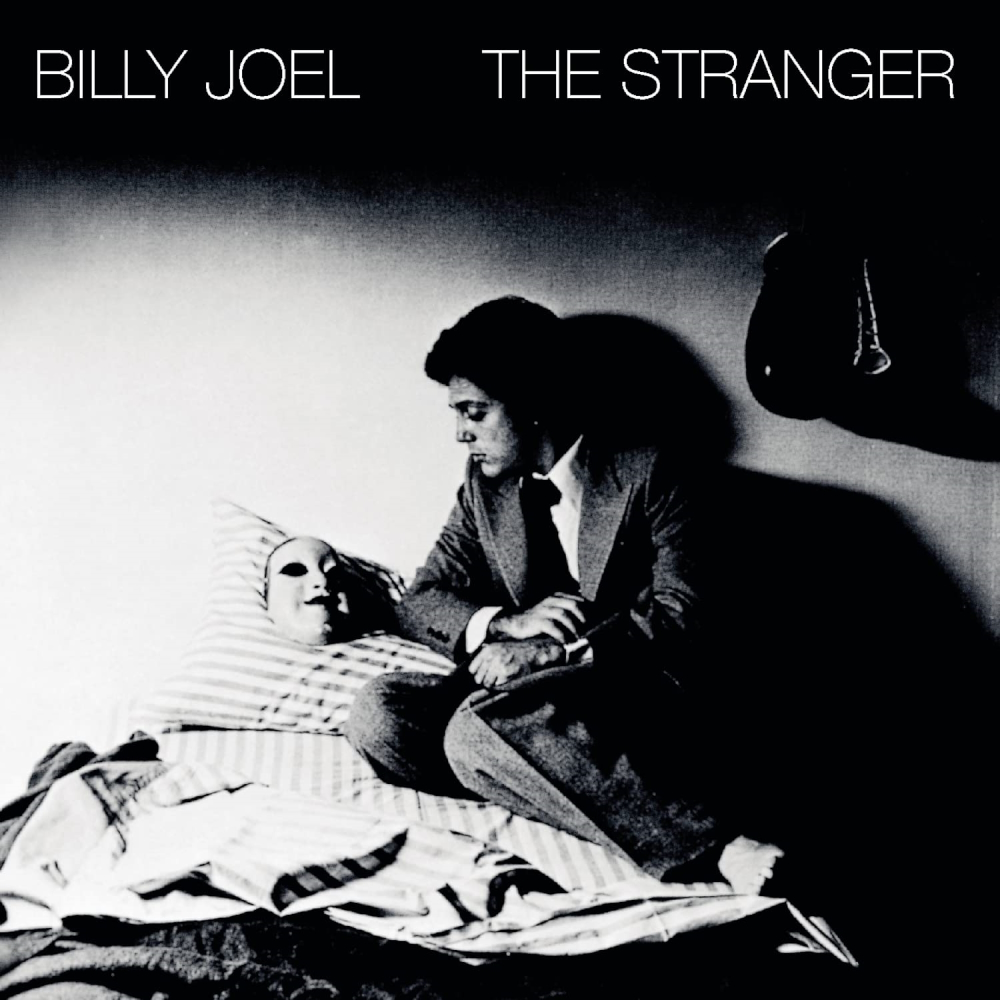
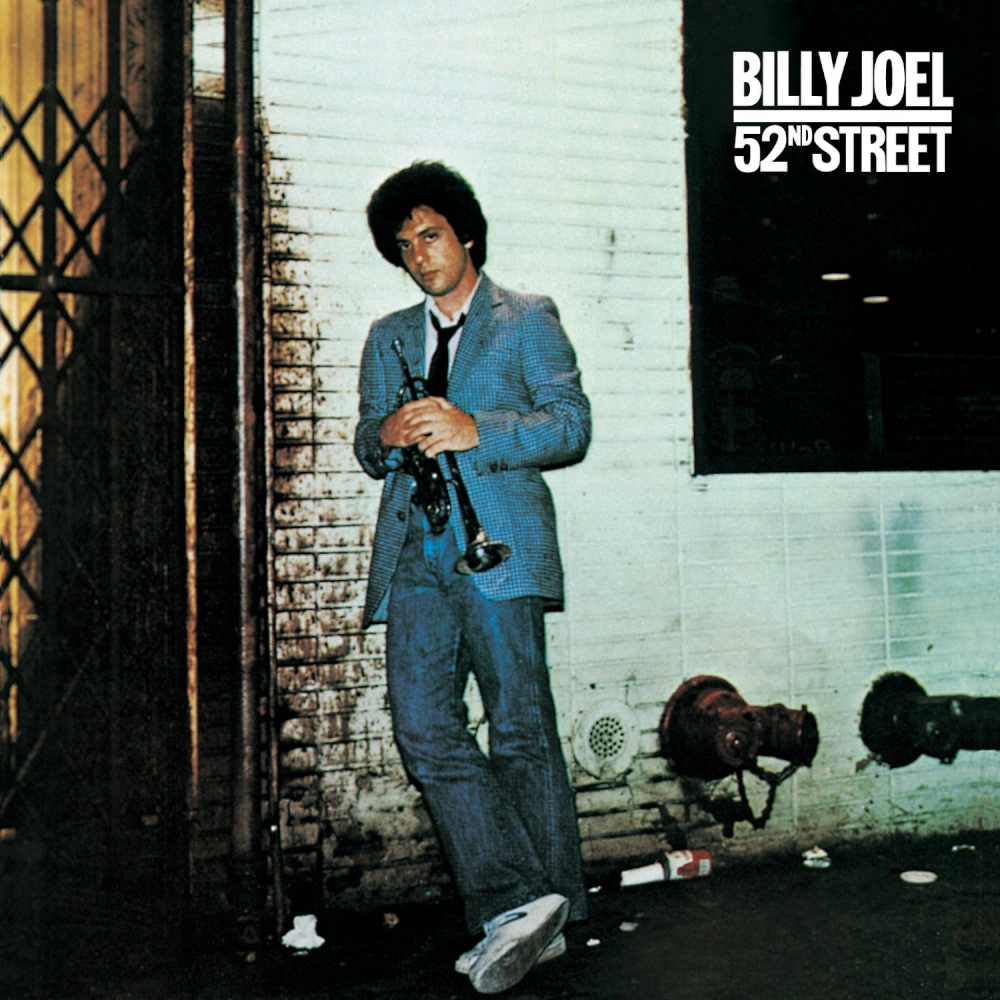
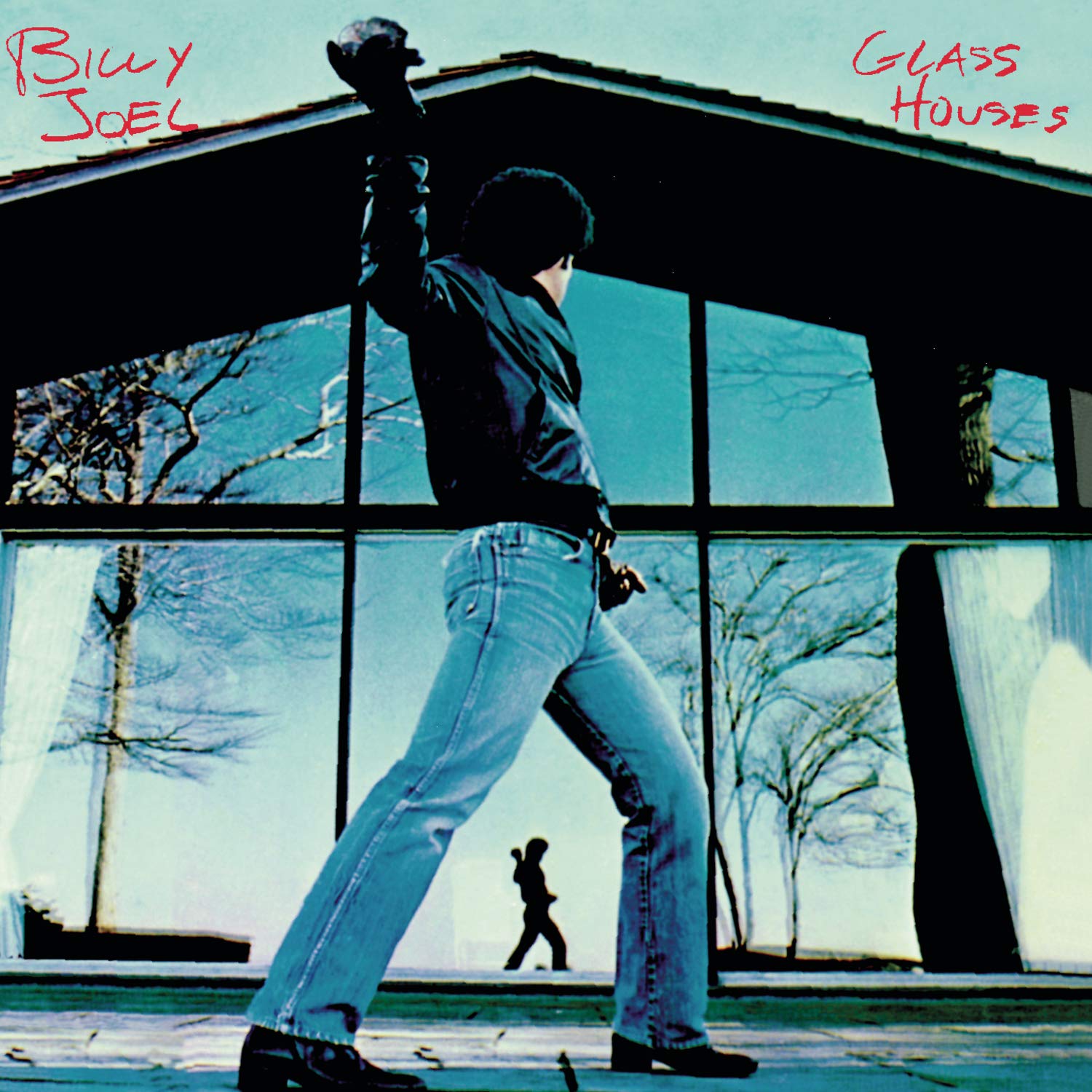
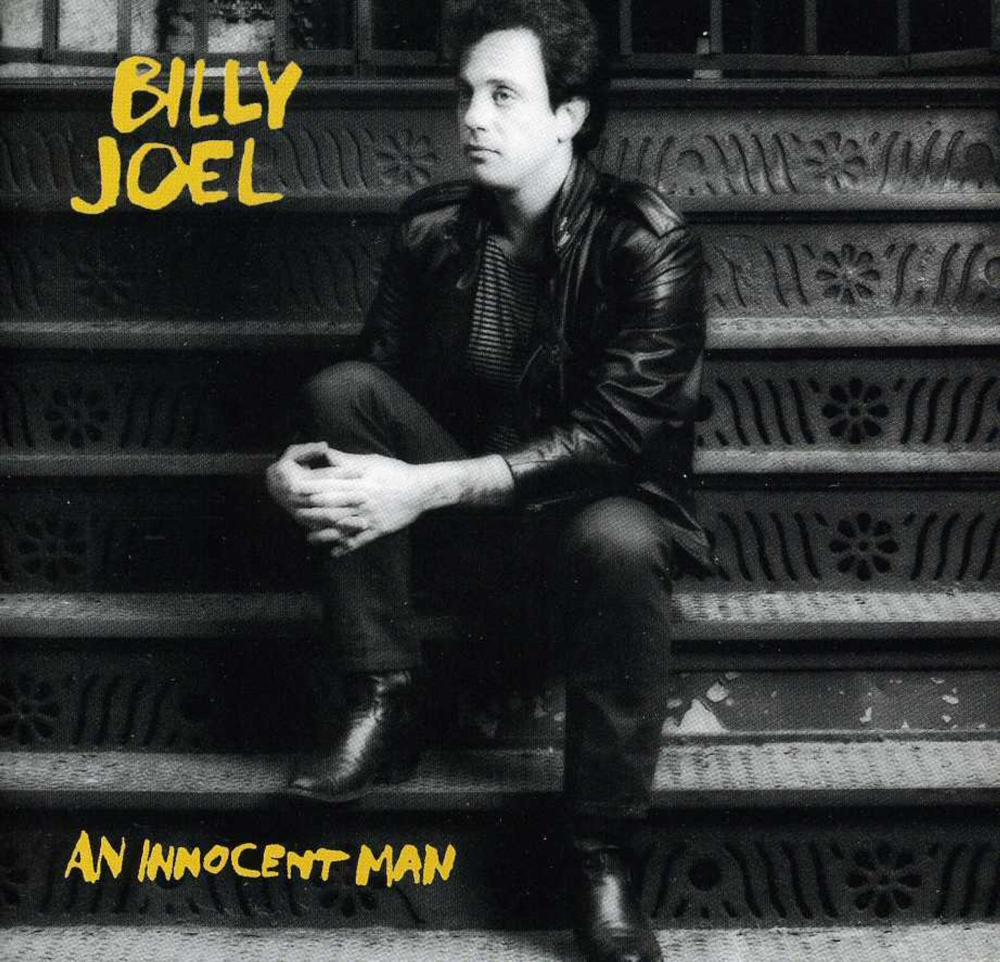
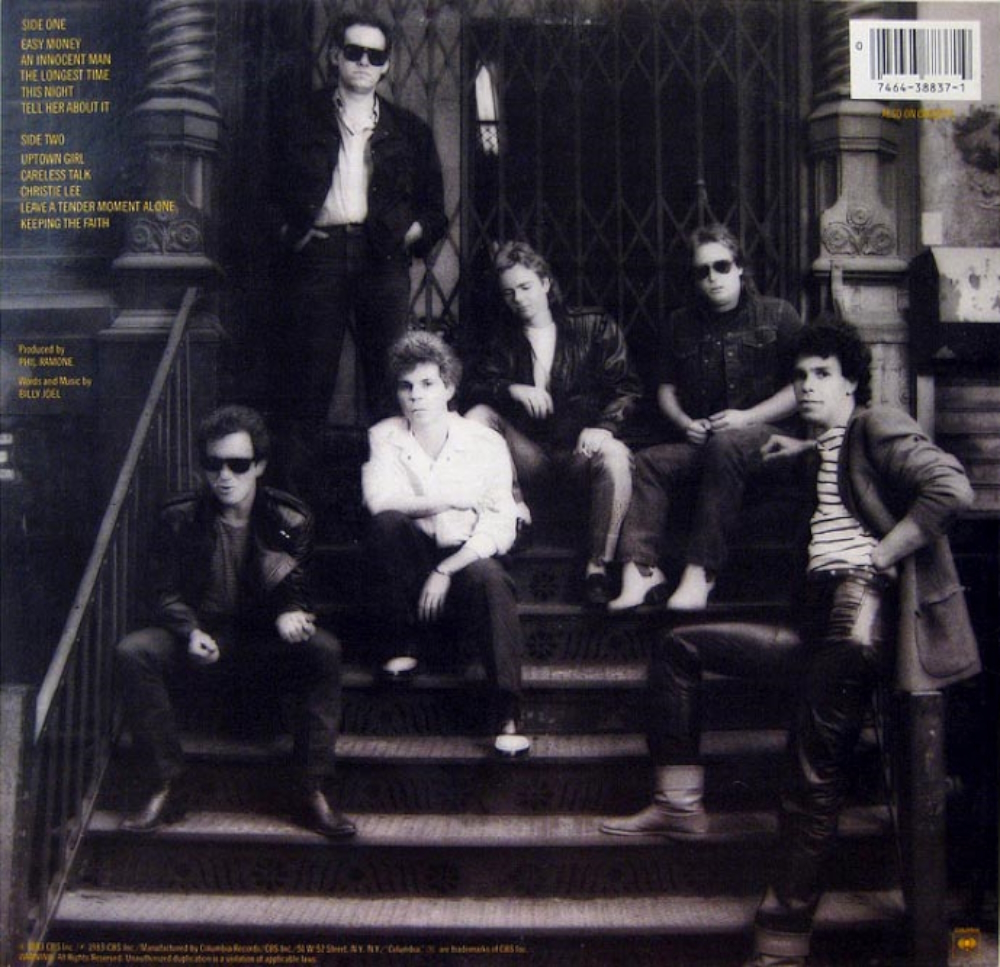
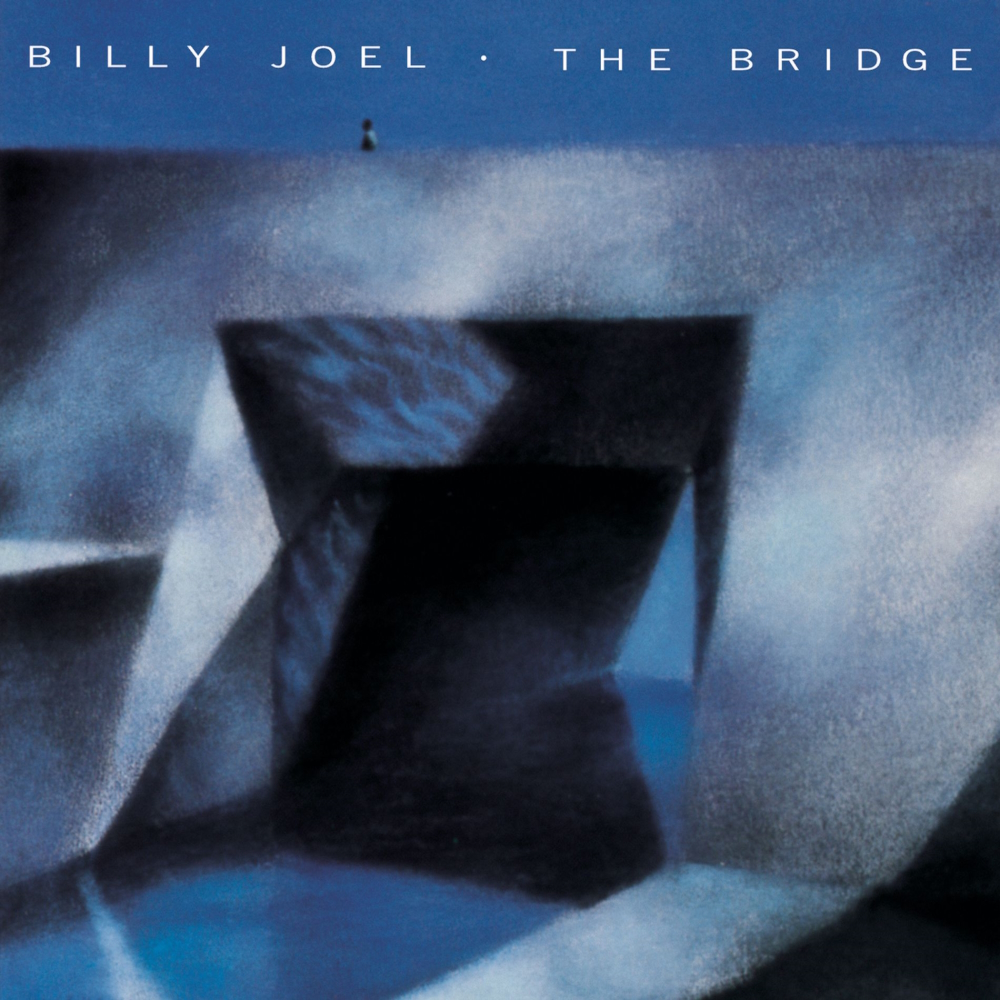
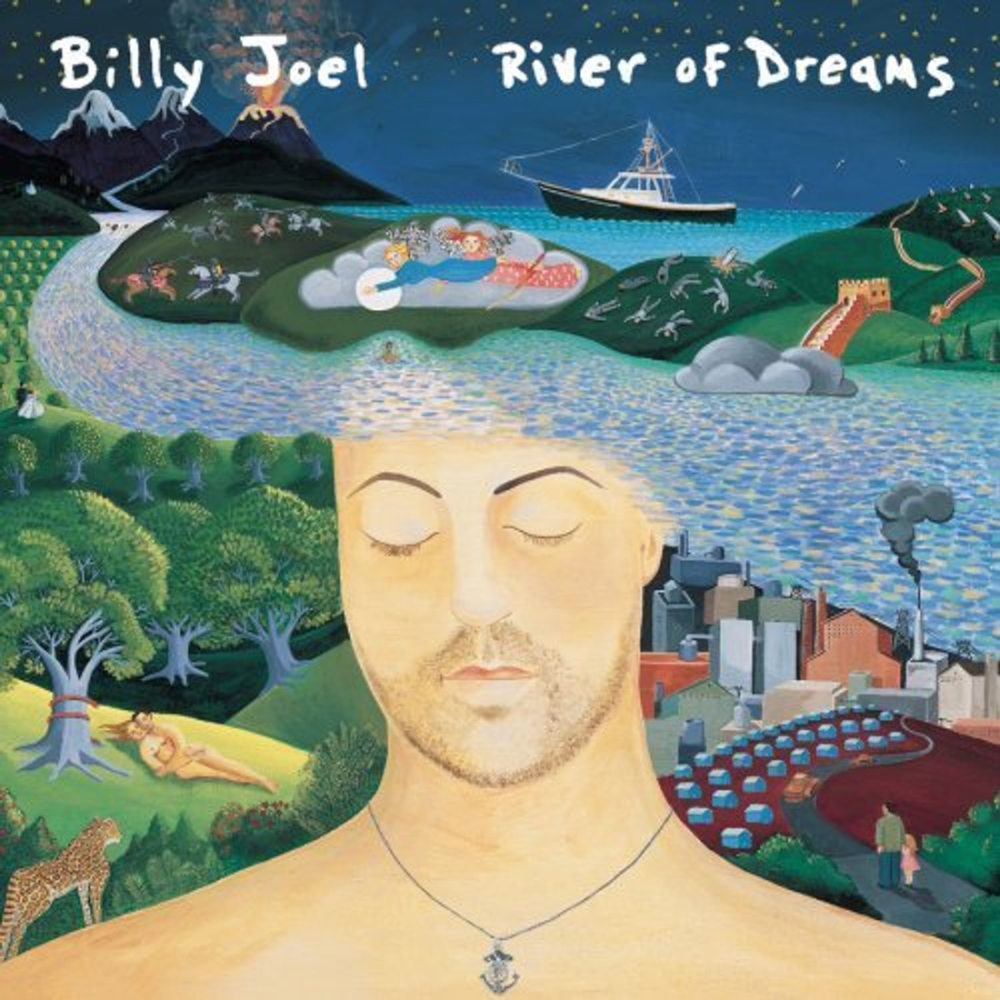
"It's Still Rock'n'Roll To Me". "Tell Her About It". "We Didn’t Start The Fire". These are three no.1 singles on the Billboard Hot 100 charts that this drummer played on – besides the classics "Just The Way You Are", "New York State Of Mind", "Scenes From An Italian Restaurant", "Honesty", "My Life" and many more. He was part of the rhythm section in the studio and tour band of Billy Joel for 30 years (1976-2006), credited on thirteen platinum albums including twenty-two of Joel’s twenty-three top-40 hits, selling more than 150 million copies! It’s strange that the titles of the first and the last studio-output by the famous American singer-songwriter and pianist that his longtime drummer recorded, proved to be prophetic somehow for the said sound-defining sideman: he went through the "Turnstiles" getting his big break and three decades later the "River Of Dreams" ended abruptly for him, as the "nice guy" (self-description on pastebin.com) was subsequently excluded.
Liberty DeVitto
(former longtime Billy Joel Band) drummer
US
Misfortune never comes singly. Just when Liberty DeVitto was getting divorced from his second wife, he got fired by Billy Joel without further explanation. The suspected trigger for the latter was that the drummer had pissed off ‚The Piano Man‘ by asking him for financial help because of loosing everything due to his marriage’s break-up. The request was denied at a time when Billy Joel had found out that his former manager (and ex-brother-in-law!) had screwed him out of millions. The new accountant firm watched out for his money by cancelling the other musician’s royalties and percentage of the tours‘ gross, paying just a salary. The dismissal of the megastar’s closest friend, long-time band member and co-collaborator on many of his songs was conveyed informally. DeVitto didn’t receive an invitation to Joel’s third wedding. Furthermore news was spread in the media that Billy Joel had released a new album with a new line-up – excluding the primary rock. The former partner sent letters, but received no response. That was the sudden end of one chapter of this man’s career, who states in the documentary Hired Gun: „If Billy is the father of the songs, I’m at least the uncle.“
„Practice makes perfect“. An example of the truth of this saying is the career of Liberator „Liberty“ DeVitto. Born on August 8, 1950 in New York City to second-generation immigrants from Italy he watched The Beatles on The Ed Sullivan Show on February 9, 1964. Ringo Starr’s live performance of the five songs struck a chord with the kid. At that moment Liberty’s life would change, forever. He wanted to become a drummer too. His music loving father, a NYC Police Officer, purchased a used kit for his son from a relative. The teenager praticed constantly endless hours, learning himself the craft by playing to songs on the radio or on the record-player in a one room furnished apartment at first. Then he joined local bands and used to play the same club in Long Island as the then 17-year-old Billy Joel. It was their first encounter. Liberty‘s reputation began to spread despite the fact never have taken lessons and no knowledge of how to read or write music.
In 1968, the same year he graduated from Seaford High School (New York), the tour manager of rock vocalist Mitch Ryder placed an emergency call, desperately looking for an immediately available substitute for the ailing original drummer. The young musician stepped in and toured the East Coast for six weeks.
Come 1974. Billy Joel had two albums (Piano Man, Streetlife Serenade) out, using different sidemen in the studio and on tour. The bass player of Topper (drums: Liberty DeVitto) performed with the singing pianist. When the virtuoso was looking for a permanent bonafide band to accompany him, the man on the four strings recommend his mates. With the addition of a sax player Topper became The Billy Joel Band. The rest is (popular music) history.
In between studio- and live-work for Billy Joel „THE songwriter’s drummer“, famous for „huge backbeats combined with expressive fills, anchored by an enormous kick drum“ (moderndrummer.com), played on albums by former Beatle Paul McCartney (Flaming Pie), Meat Loaf (Deadringer) and more. This included being heavily associated with the Wild Heart era, the second solo studio album of Fleetwood Mac’s Stevie Nicks. In 2013 he was inducted into The Classic Drummer’s Hall of Fame.
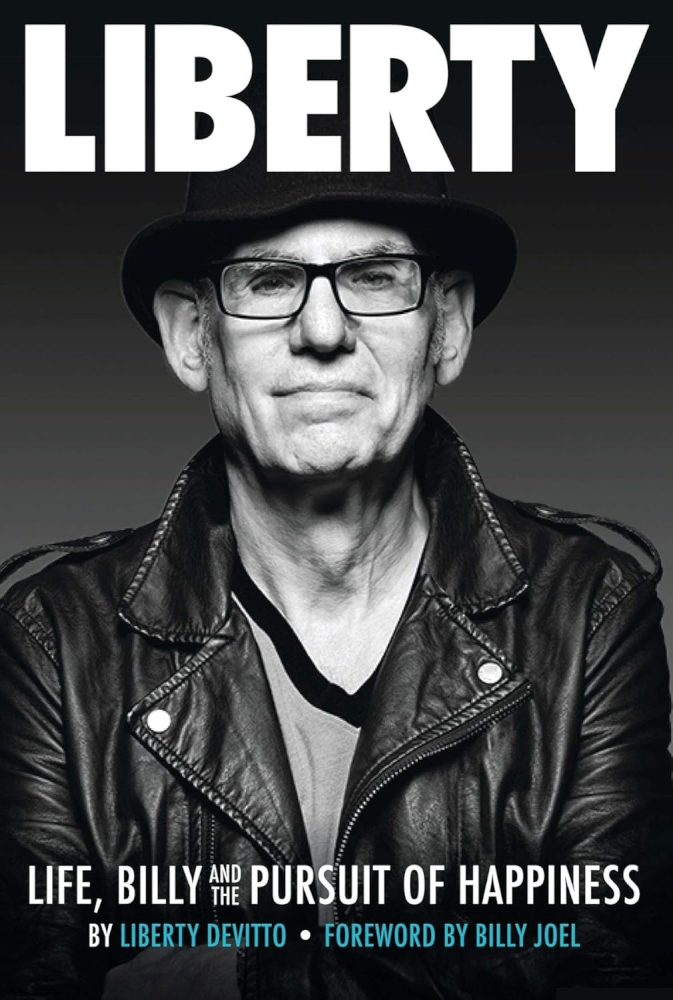
As he had no other choice anyway Liberty DeVitto saw the breakup with the famous bandleader as an opportunity for rebuilding his career and staging it on several pillars. With 15 years in the making he published Liberty: Life, Billy and the Pursuit of Happiness (2020). For his drummer‘s autobiography Billy Joel even wrote the foreword. There ‚The Piano Man‘ not only mentions that the two „have reconciled and reclaimed the friendship that we felt for each other all those years ago“, but appreciates the rhythm machine’s musical contributions too. Quote: „Liberty DeVitto provided the power that drove our song arrangements and live performances for thirty years. While I was writing the songs for eight of my twelve original song albums, I relied on his particular enthusiasm for those songs to motivate the energy that brought them to life and made them stand out as recordings... Liberty’s drumming propelled my music into another dimension, far beyond the acoustic limitations of my piano-based songwriting.“
Mr. DeVitto’s literary journey continued with the first children’s storybook by the father of four daughters: Love, Santa Claus: A humble-hearted Christmas story (2022). And he’s musically active of course very much still – as a drummer, session artist, songwriter, lecturer, drums clinician and live act including his successful trio The Slim Kings and The Lords of 52nd Street performing Billy Joel’s hits with alums from the original group. Worth mentioning too that he volunteers for the non-profit Little Kids Rock (transforms lives by restoring, expanding, and innovating music education in schools).
Liberty DeVitto lives in Brooklyn/New York.
Interview January 2026
The Beat Goes On: when a world career takes an unexpected turn and requires striking new paths
INTUITION/IMAGINATION
?: How does intuition present itself to you – in form of a suspicious impression, a spontaneous visualisation or whatever - maybe in dreams?
Spontaneous visualization. I have been called “a song writers drummer”. I create to lyrics. I hear what the artist is saying and I take how the lyric makes me feel. Then I transfer that feeling to the drums.
My ideas are usually created when a song is first presented to me in the studio.
?: Will any ideas be written down immediately and archived?
I don’t read or write drum music so the music comes from an emotional place. Memories from the life I lived along with the passion to make the listener feel what I am feeling or have felt at one time in my life. Love, anger, sadness and happiness are all feelings we all have experienced.
?: How do you come up with good or extraordinary ideas?
Experimenting and meeting with other people has been a driving force that led us to work together towards a common goal. The beauty of our work is that it provides a methodology that allows for new ideas, where others expand the palette of what’s possible with our approach. It provides new ways of imagining, experiencing, and sharing. However, one thing is clear, simple is better. Our initial prototypes were extremely complicated and with time simplicity has paid off.
?: Do you feel that new creative ideas come as a whole or do you get like a little seed of inspiration that evolves into something else and has to be realized by endless trials and errors in form of constant developments until the final result?
Most come trial and error or I should say they come with “some assembly required “. In other words the feel and the thought is spontaneous but what drum or cymbal (sound) to use needs to be chosen as it will build the song. At time there might not even be a drum involved. Could be just a sound.
?: What if there is a deadline, but no intuition? Does the first fuel the latter maybe?
I don’t like a deadline. Like I said, my part that is there needs to develop. It’s like a conversation with the other musicians. I don’t want to leave the session knowing I had more to say.
INSPIRATION
?: What inspires you and how do you stimulate this special form of imaginativeness?
Like I said, I don’t read or write music. So I don’t live in the box that says it has to go this way or that way. I get inspiration from everyday sounds I hear. Street noise is a great one. Also I listen to other musicians (drummers) and I take something from each player. I try to emulate what I hear. But I might not play it exactly like the one I’m listening to so it will come out the way I hear it and by me playing it, it will become my own style.
?: How do you filter between ideas that are worthwhile pursuing and bad ones that you just let go of?
What I keep or let go is based on how it makes me feel and how it moves the listener. Sometimes a straight “two and four” with no fills is the winner.
?: Does an idea need to appeal to you primarily or is its commercial potential an essential factor?
It has to be relatable to the listener whether it's self satisfying or commercial.
?: Do you revisit old ideas or check what colleagues or competitors are up to at times?
I’m constantly going back to see what I can bring forward. And I am always looking forward to see what’s new . Music will always find its roots.
CREATIVITY
?: What time or environment best suits your creative work process — for example, a time and place of tranquility or of pressure?
I work best in creative thinking in the studio. There is really no pressure. It mostly, if we don’t get the track now, we will get it tomorrow. And the path I take is idea to creation.
?: What’s better in the realization process — for example, speed and forcing creativity by grasping the magic of the moment or a slow, ripening process for implementation and elaboration?
I feel if you are going with speed then you are reaching for the obvious. Listen, learn, create.
?: How important are self-doubt and criticism by others during such a process?
You can have self-doubt if you believe in yourself and your creation. Criticism by others will tell you how much you believe in what you have or are creating. Would there be a Picasso if he had self-doubt ? With self-doubt Dave Brubeck would never had recorded “Take Five”.
?: Is it better to be creative on your own, to trust only your own instincts, or to work in a team?
I prefer working with a team or group. You have more input with yourself and others. It allows your creation to possibly become better.
Like cooking the perfect dish. More ingredients the better the dish, you just need someone to say "Stop, you’re over salting it." That’s where a producer might become involved.
?: In case of a creative block or, worse, a real failure, how do you get out of such a hole?
Everyone falls into a slump. You just have to get away from it for a while.
?: Should a creative person always stay true to him- or herself, including taking risks and going against the flow, or must the person, for reasons of commercial survival, make concessions to the demands of the market, the wishes of clients and the audience’s expectations?
Yes, he/she is the product and must always stay true to one’s self. They must always believe in themselves.
?: How are innovation and improvement possible if you’ve established a distinctive style? Is it good to be ahead of your time, even if you hazard not being understood?
You will change with your audience. They are growing up with you. They might be married, have children. The political climate will change. You can change but always remember where you came from. Sounds change, fashion changes, what the artist will write about will change. But always stay true to yourself. The Beatles are the perfect example of this. From “with the Beatles “ to “Abbey Road” you can always hear The Beatles in all these songs.
?: When does the time come to end the creative process, to be content and set the final result free? Or is it always a work-in-progress, with an endless possibility of improvement?
The creative process never ends. You might be satisfied with what you did in the studio but when you take it out to a live audience you will strive to make it better. In the studio you were playing it safe. But now you are free to step out a little. Now is the time to impress the audience.
?: How does artificial intelligence change human creativity? And do you? Would will you use it at all?
If you make a demo of a song with an acoustic guitar and a voice then put it through AI while telling it to make it rock or country: Who’s doing the creating? The future will be a song writers' world. That being said, you will always need live musicians to play live music. And I believe people will always want to hear live music.
SUCCESS
“Success is the ability to go from one failure to another with no loss of enthusiasm.” Do you agree with Winston Churchill‘s quote?
There are no failures. If you learn from your failures they will become stepping stones to your success.
?: Should or can you resist the temptation to recycle a ‘formula’ you're successful with?
I try really hard not to recycle. But sometimes the artist writes a song that an old idea fits perfectly.
?: Is it desirable to create an ultimate or timeless work? Doesn’t “top of the ladder” bring up the question, “What’s next?” — that is, isn’t such a personal peak “the end”?
It is easier to get to the top than it is to stay there. There are many reasons the music ends. The strain of fighting to stay on top. Personalities conflict. In a band the collective group is always bigger the the individuals.
MY FAVOURITE WORK:
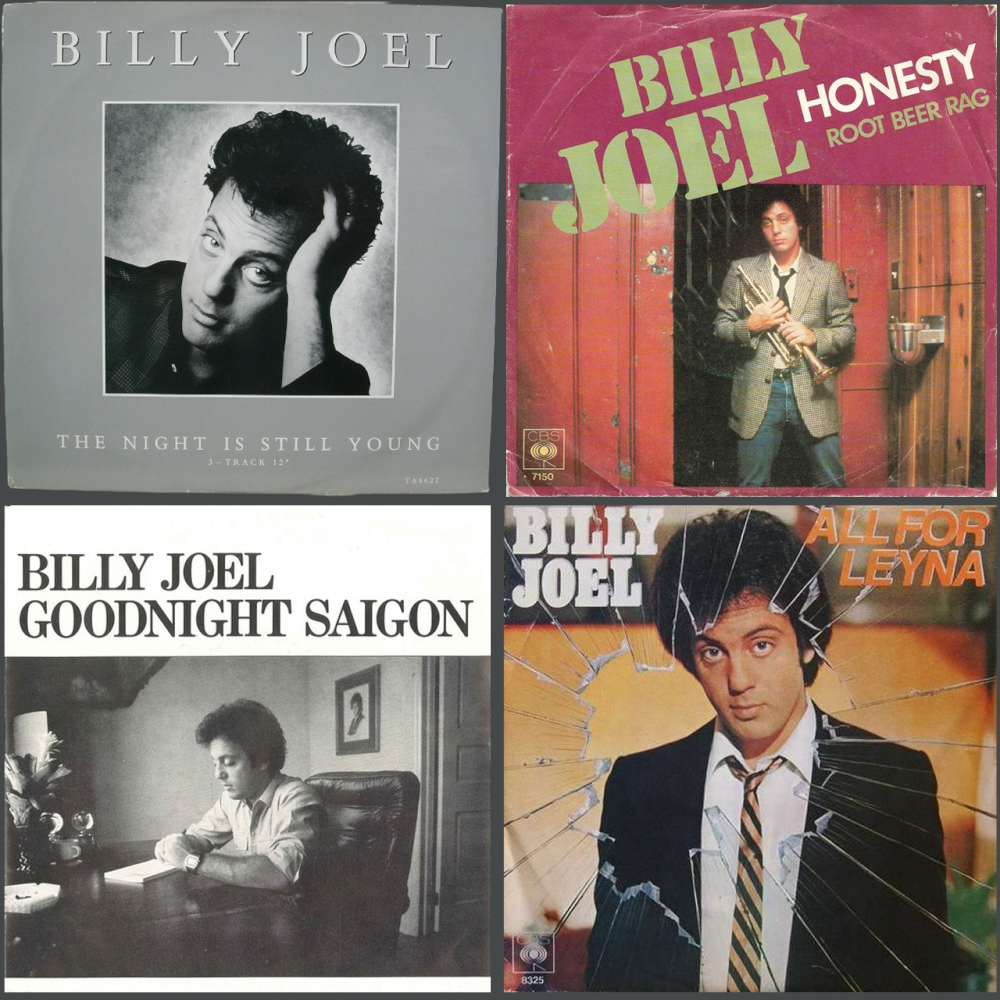
There are so many songs that Billy Joel wrote that gave me the freedoms to create. I never followed the obvious on.
“Scenes from an Italian restaurant“
“While the night is still young“
“Honesty“
“Goodnight Saigon“
“All for Leyna”
I was very fortunate to be able to play with a master songwriter and to help make his creations better with my creative input.