Akiko Nicole Stehrenberger
movie poster key art designer & artist
US
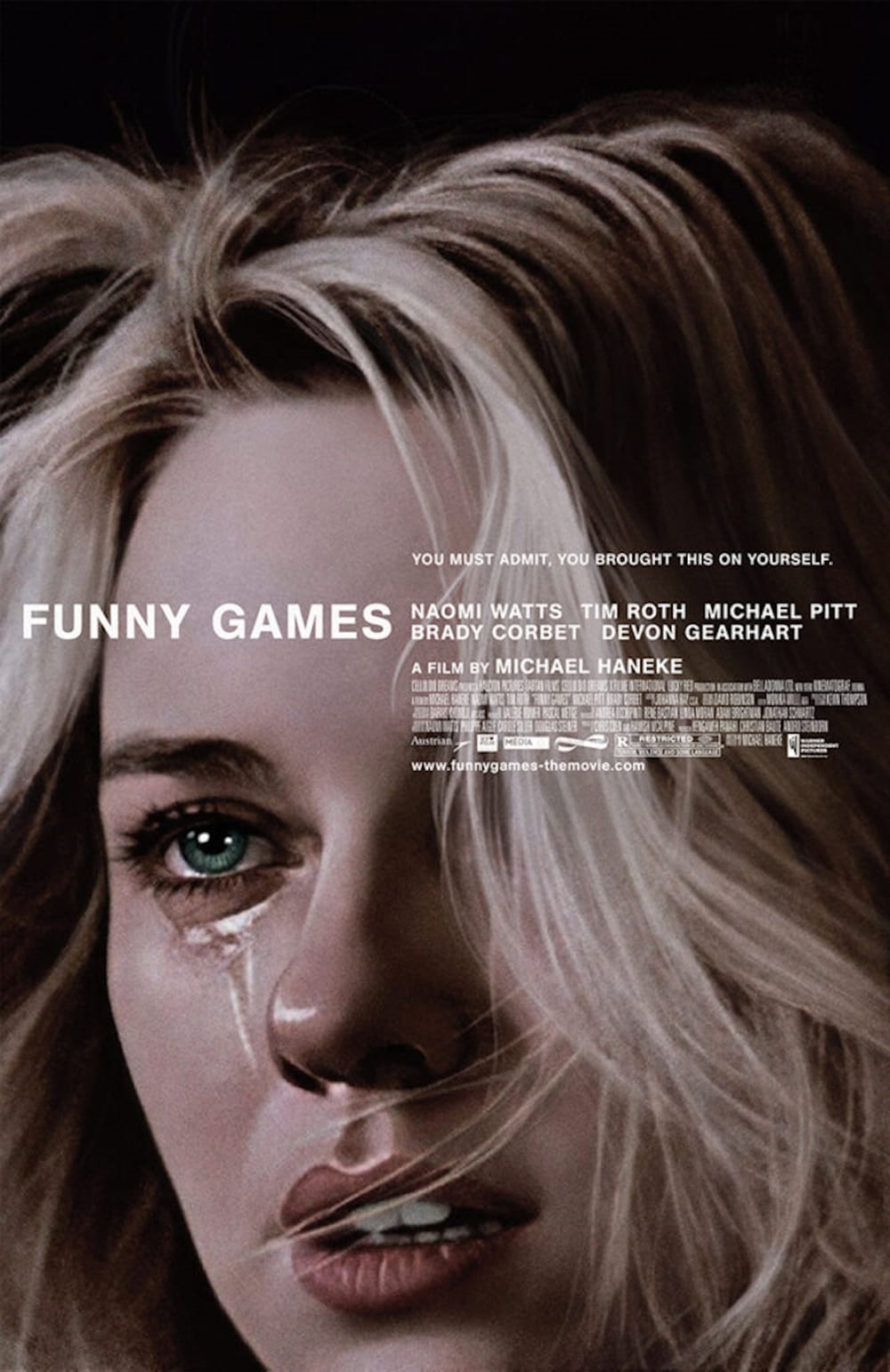
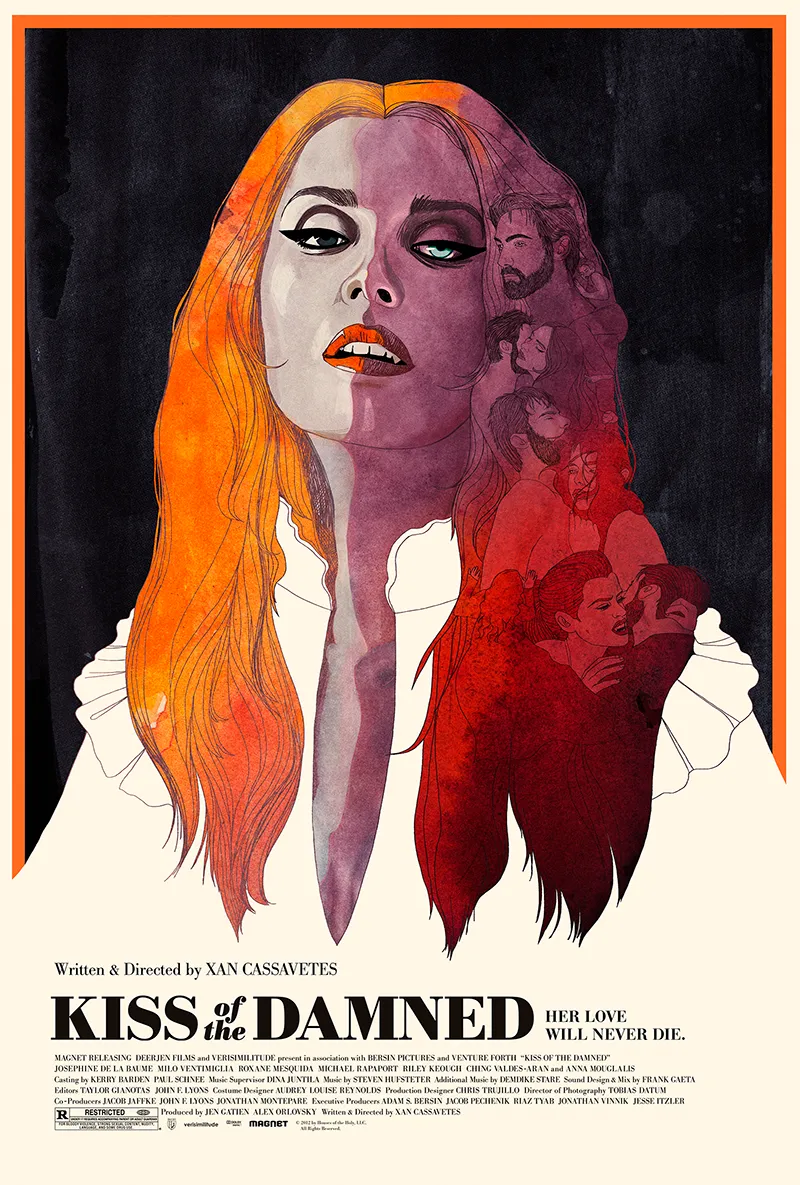
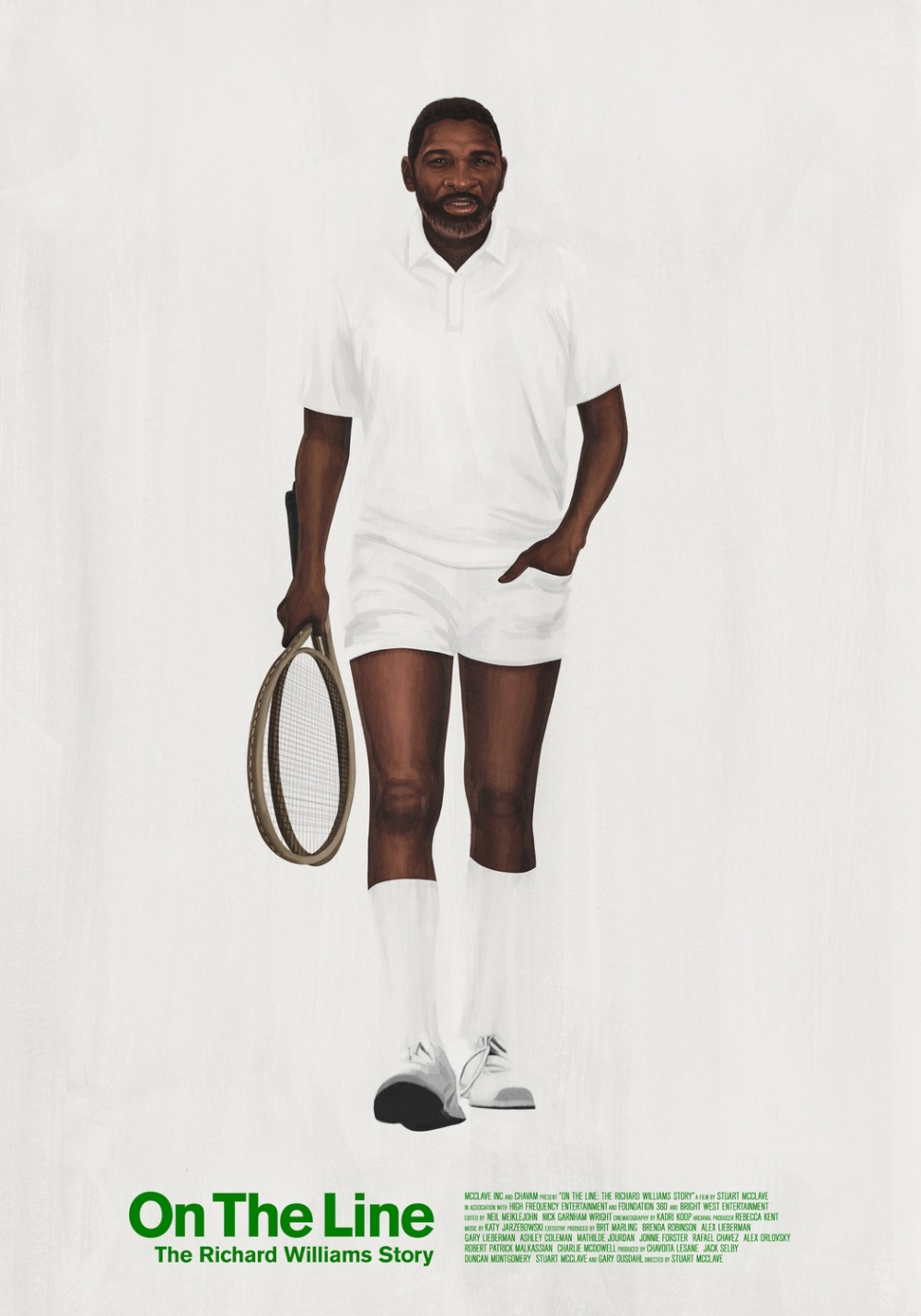
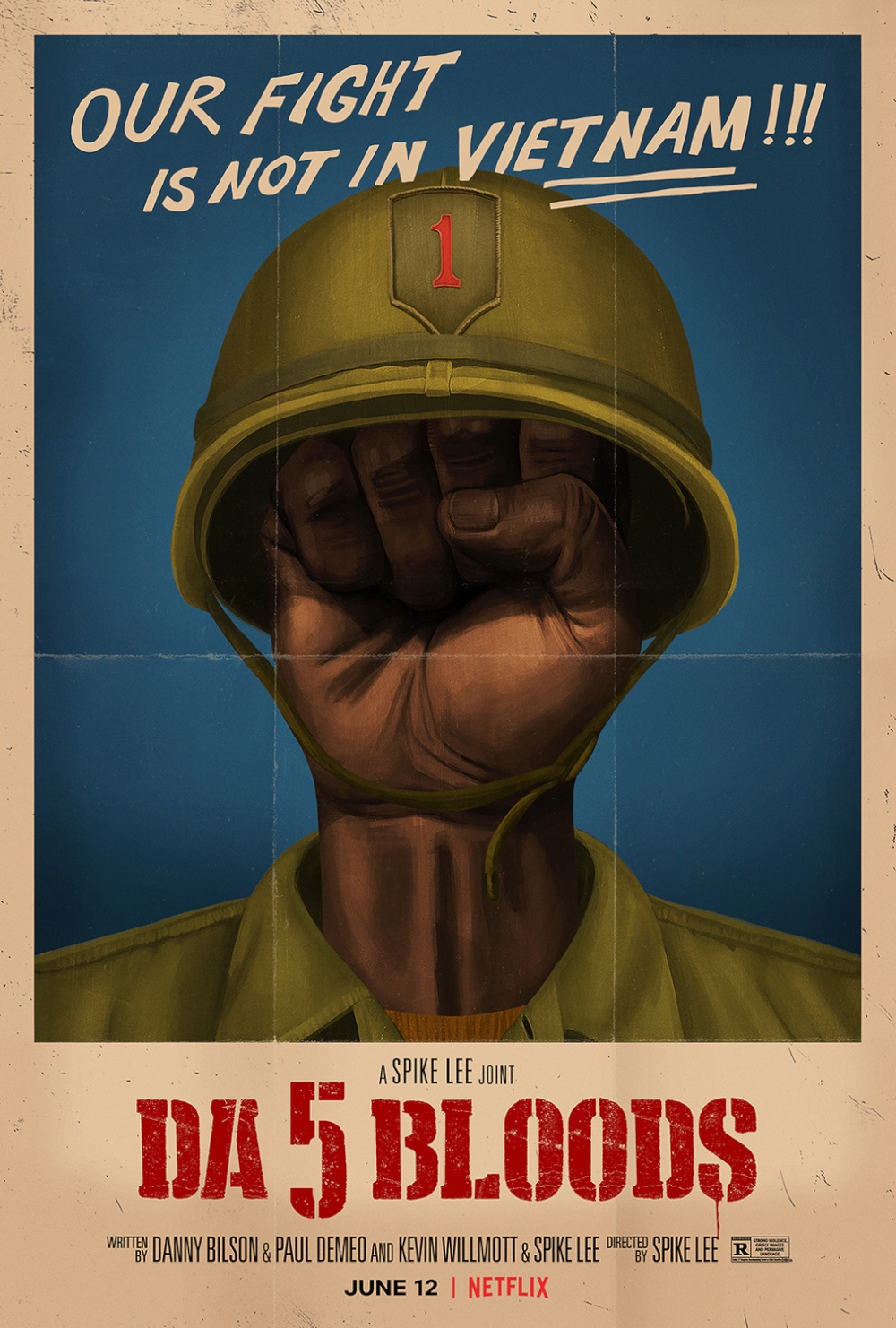
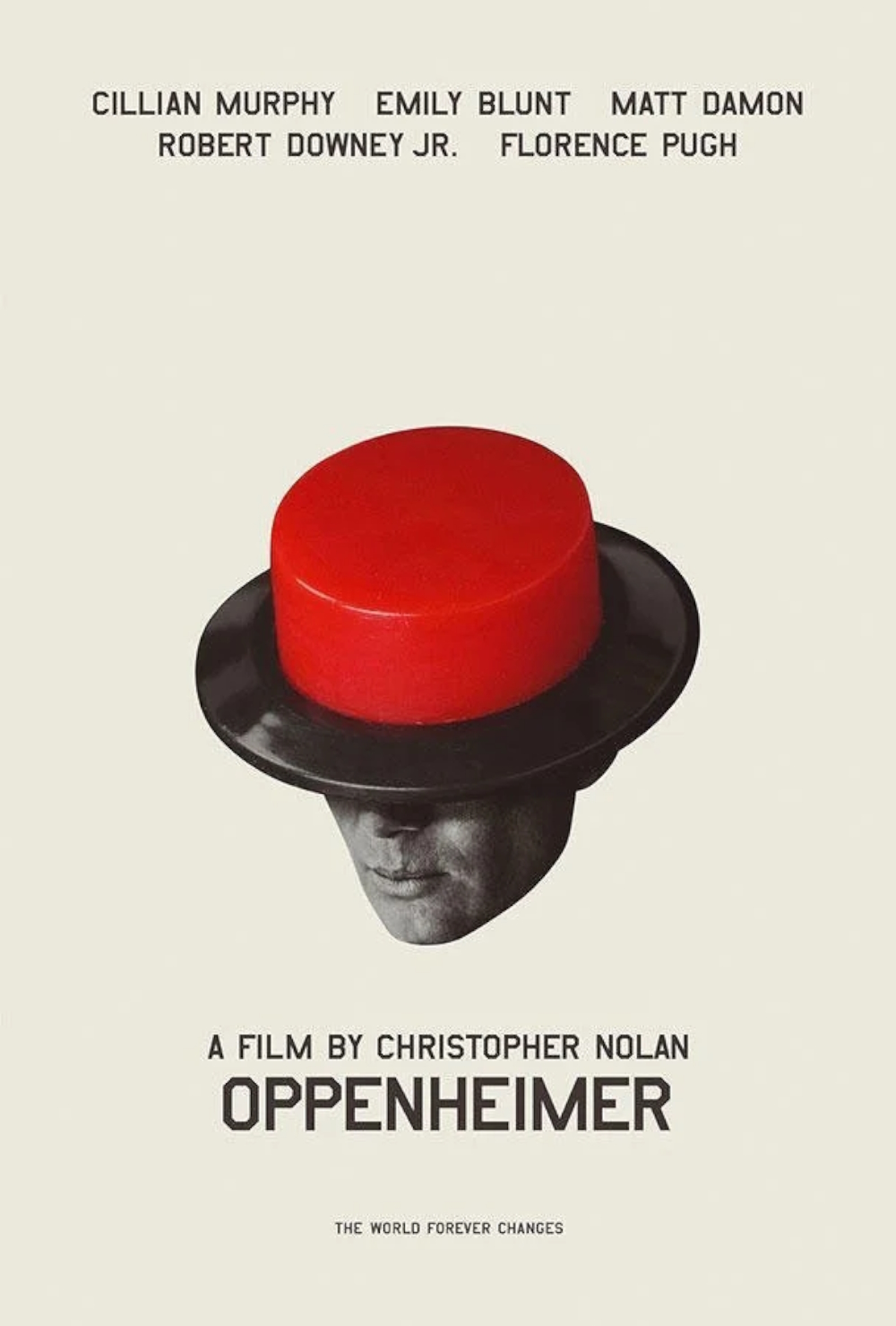
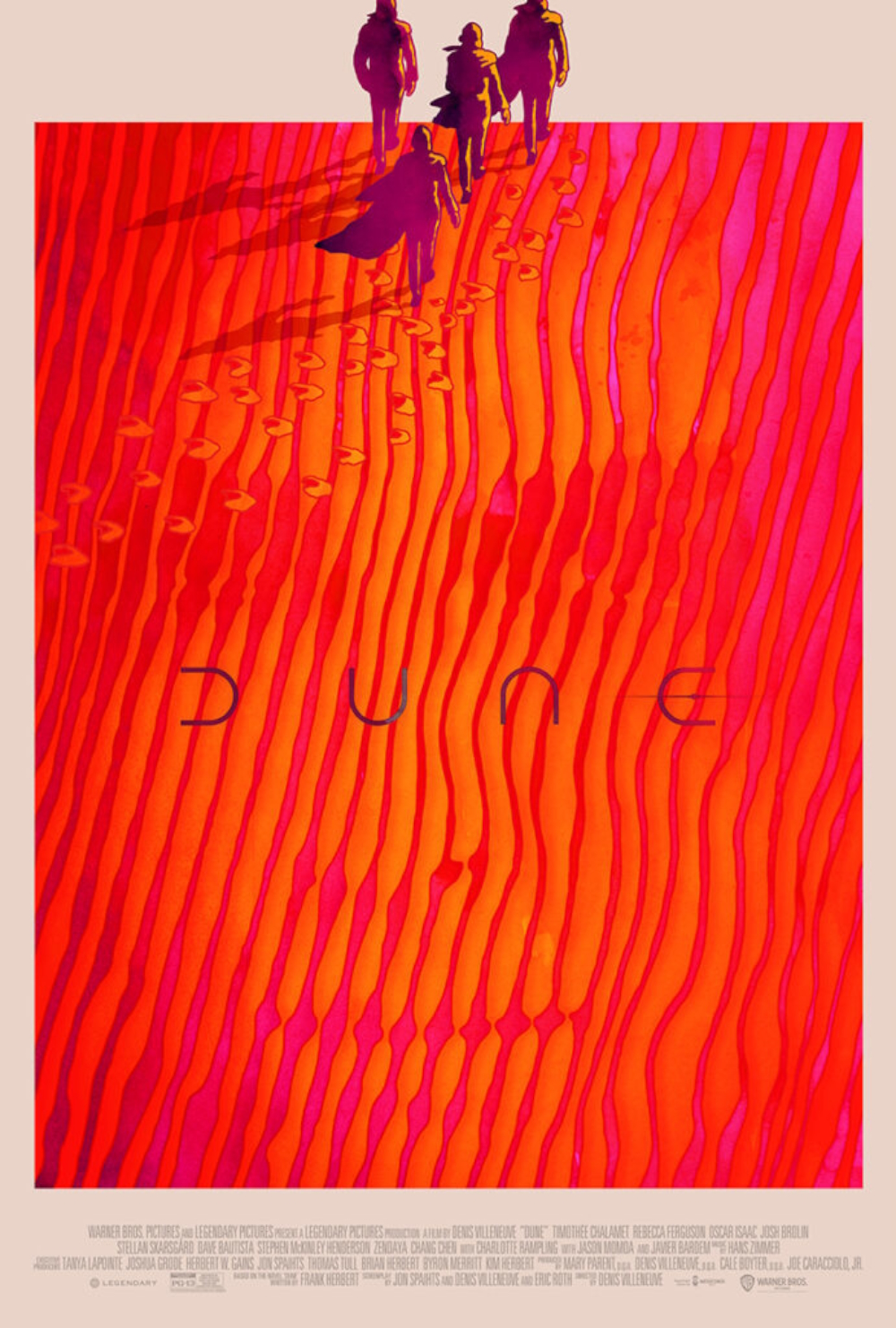
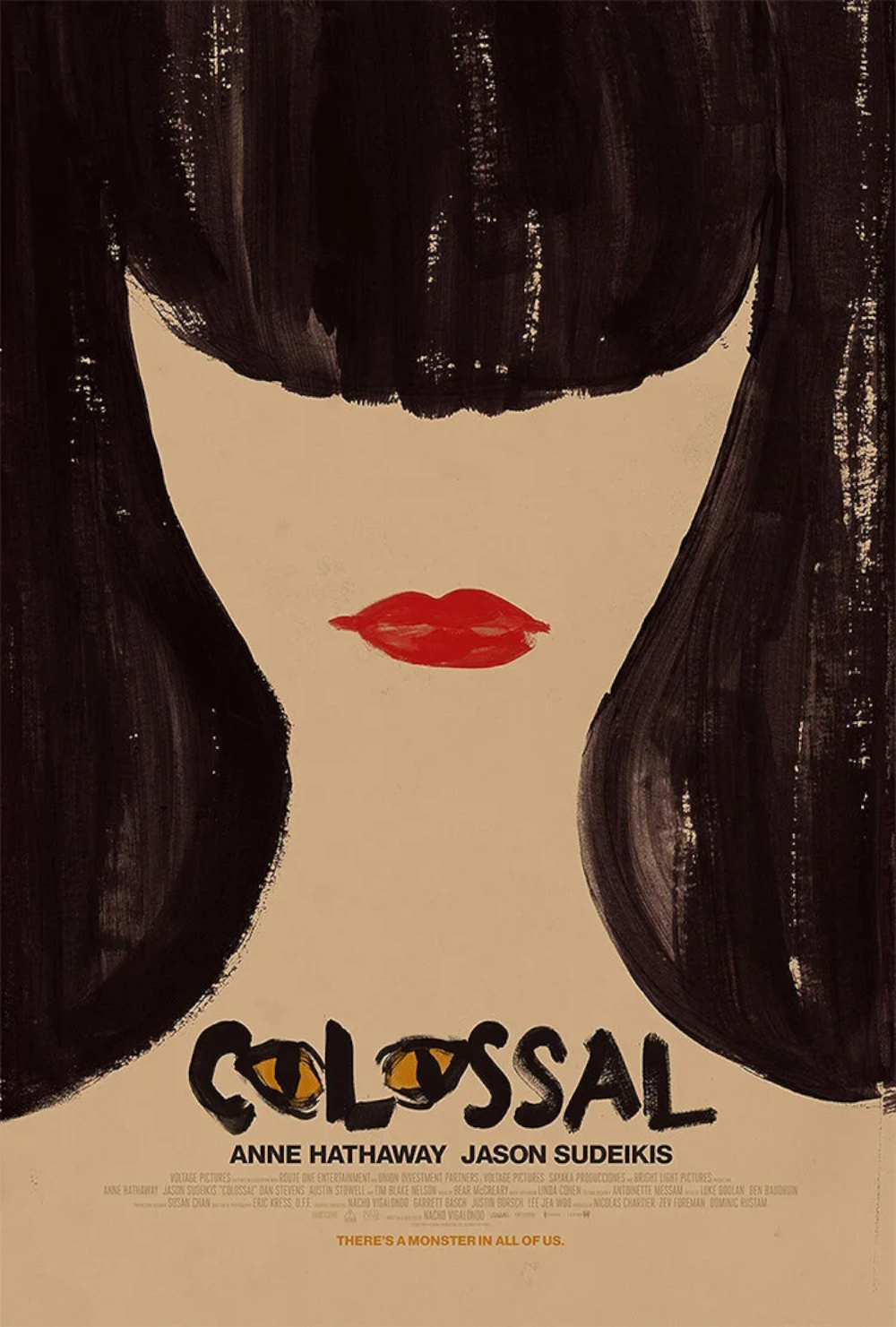
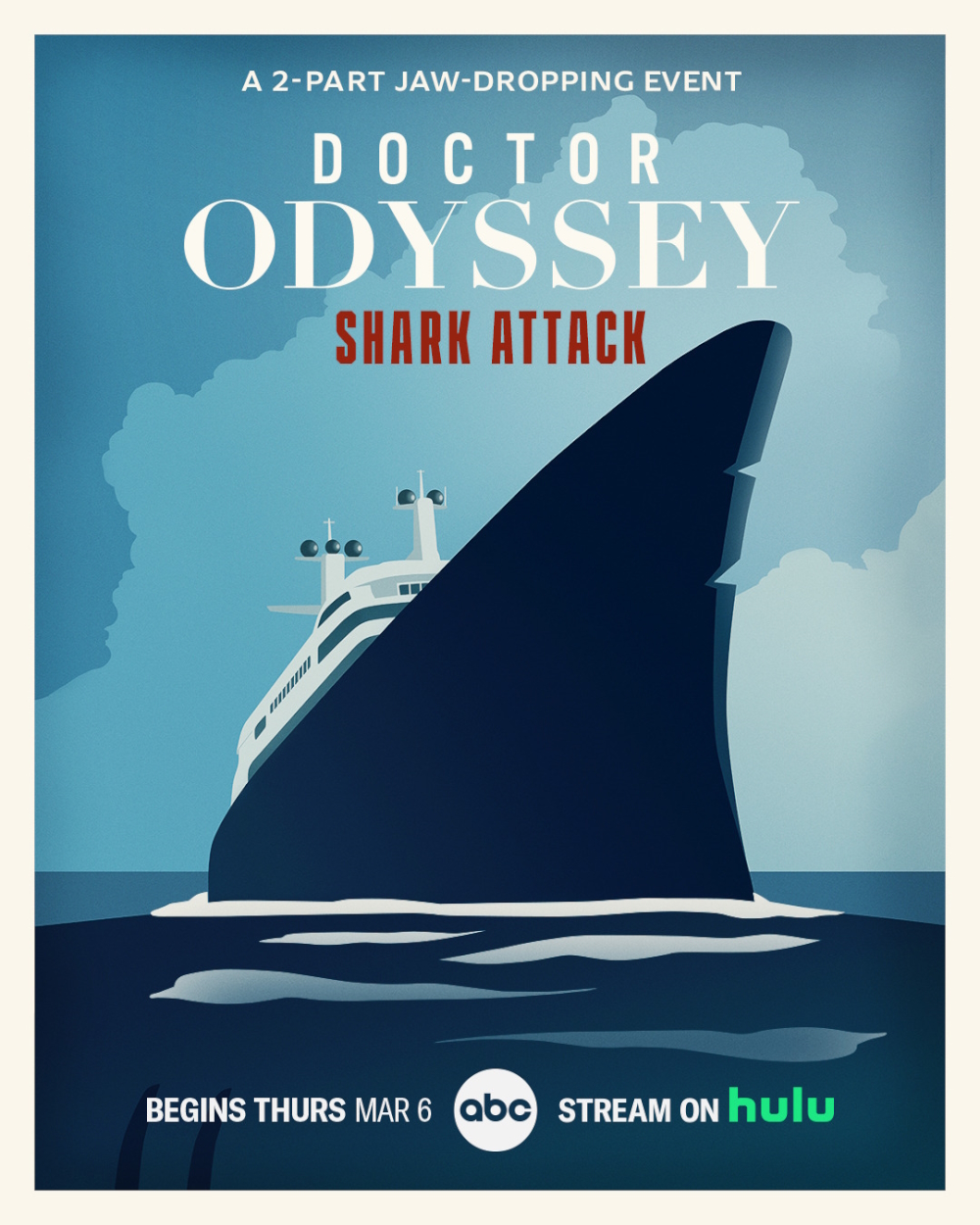
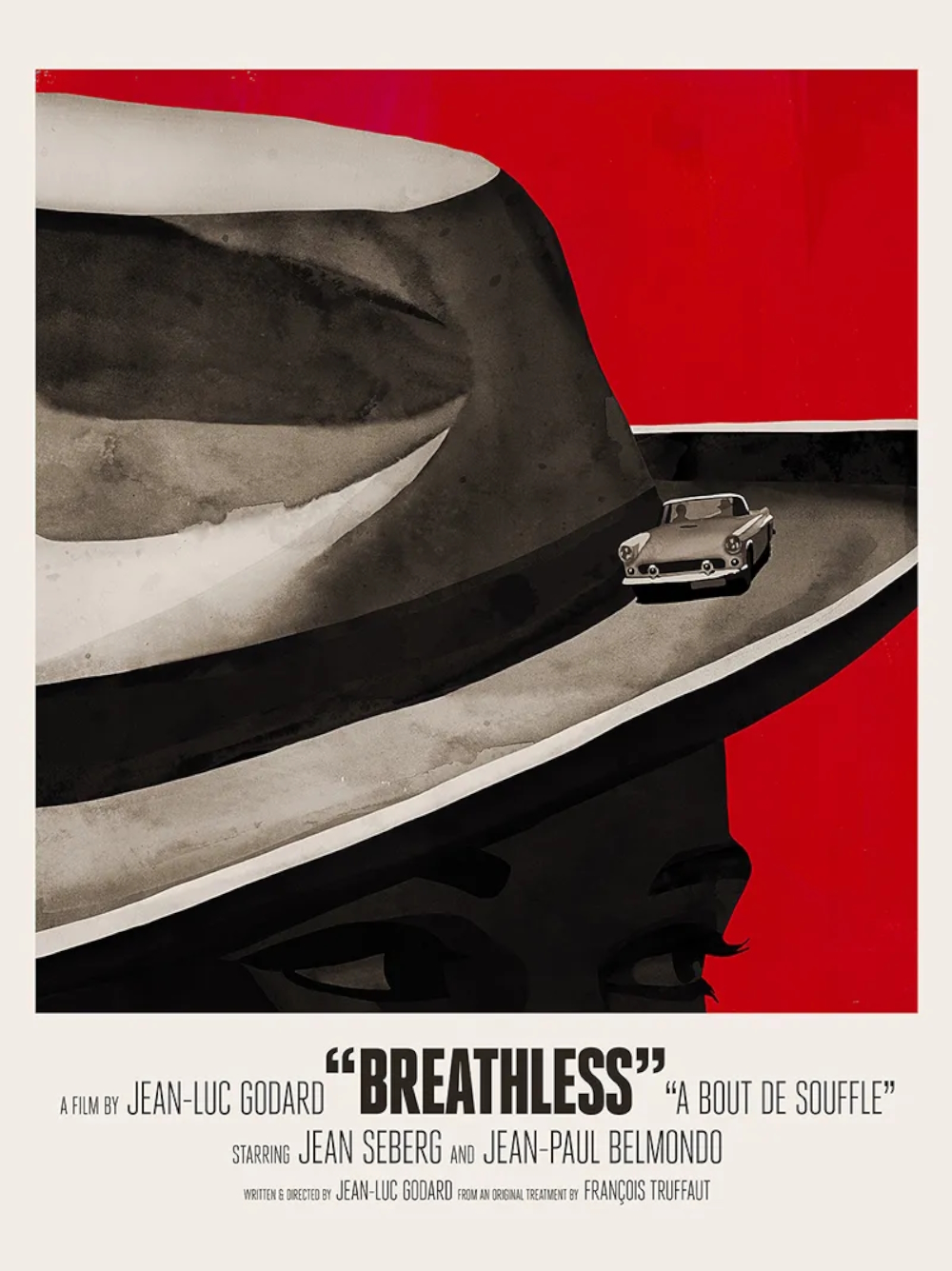
The list “Best Movie Posters of All Time”, in the American monthly magazine Vanity Fair, includes two of her works: ‘Funny Games‘ and ‘Kiss of the Damned‘. The US-poster for ‘Funny Games’ was also named “The Best Film Poster of the Decade“ by HuffPost's "Movie Poster of the Week" columnist, Adrian Curry. Her poster for ‘On The Line: The Richard Williams Story‘ was ranked among the "Movie Posters of the Year 2022" by Creative Review. The artwork she created for Spike Lee’s war drama ‘Da 5 Bloods‘ (Netflix) was on view at The Academy Museum of Motion Pictures in Los Angeles. The link between these versatile artworks is a woman who’s widely considered “one of the most acclaimed movie poster designers of modern film“ (codacurates.com). She’s been honored with 34 prestigious international advertising Clio Awards. The detailed images of the “Poster Girl“ (Interview magazine) started to make an eye-catching difference at a time, when visuals for movies were mainly generated by Photoshop and seemed sterile. In contrast to this, the American’s fresh postmodern posters combine traditional drawing/painting techniques and digital graphic design within a conceptual approach. “Her emphatic illustrations“, states the British graphic designer, writer (“How to Be a Graphic Designer, Without Losing Your Soul"), lecturer and publisher Adrian Shaughnessy, “offer an echo of the great film posters of the past“.
Akiko Nicole Stehrenberger
movie poster key art designer & artist
US
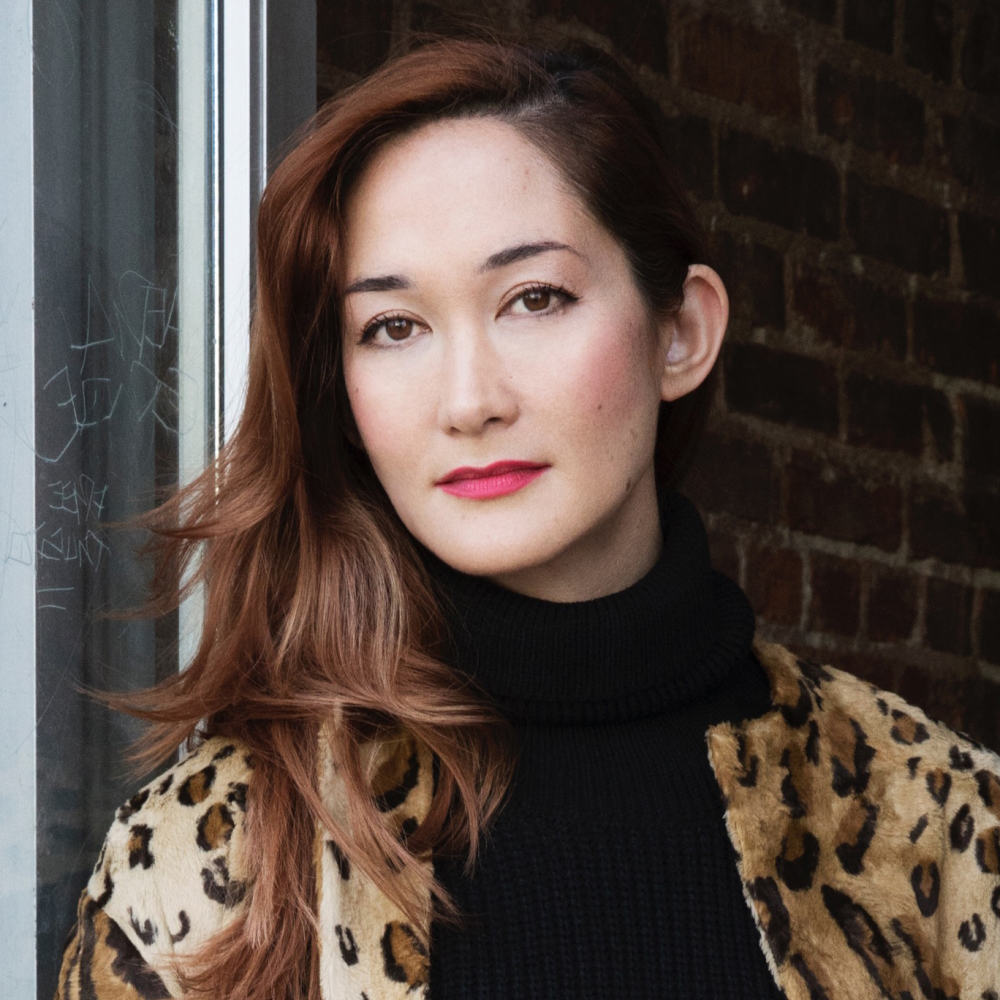
"I fell into movie poster designer. It wasn’t initially my career path, editorial illustration was." These surprising comments were clarified by Akiko Stehrenberger (October 24, 1978 in South Lake Tahoe, California) to Divine Spark, when returning her biography that she had checked for accuracy.
The shy, second youngest of four children by a Swiss-German father and his Taiwanese wife, who loved to draw, was encouraged by her mother to apply for an art school when Akiko was about to sign up for the military. In 1997, the 18-year-old began studying illustration and design, at the Art Center College of Design in Pasadena, California. After graduating with a Bachelor’s Degree of Fine Arts in Illustration, she moved to New York City to freelance as an editorial illustrator for various magazines like the Rolling Stone competitor SPIN, hip hop’s XXL, or the free alternative weekly New York Press. When her mom became ill in 2004, Akiko Stehrenberger returned to Los Angeles. There, she interviewed for a receptionist job at a movie poster advertising agency. “At the last minute, I decided to bring along that month’s SPIN magazine which had my illustration in it“. The then, mid-twenties designer told austinfilm.org. “When I showed one of the owners of the company my piece, he asked if I’d ever be interested in being a junior designer of movie posters instead. I’d never really used a computer and knew very little about graphic design, but somehow we both agreed to give it a shot. The rest is history.”
Eventually becoming an independent contractor, Ms. Stehrenberger left the full-time position and launched her career with an (unexpected) bang: her poster for Michael Haneke’s thriller ‘Funny Games’ came out in 2007 and caused a stir. The giant close-up of crying actress Naomi Watts isn’t a photo by the way, but a hyperrealistic digital illustration! Considering the technique, it’s no surprise that she cites photorealistic painter Chuck Close as one of her influences. As far as film posters, Bob Peak (1927-1992) became her first influence when starting in the industry because she admired his versatility, “best known for his developments in the design of the modern film poster“ (Wikipedia) like West Side Story, Star Trek (I-V), Superman or Apocalypse Now.” Other influences are the “weird, imaginative and sometimes crude look” of Polish and Czech film posters.
Having worked as an editorial illustrator proved to be a great asset in summarizing a story into one concept driven image. The rigorous studies in college enabled her to cope with an extremely demanding day job working as both an art director and an illustrator, limited by very tight schedules and high client demands. The American does everything from start to finish. This includes coming up with the concept, the illustration style and the typography layout for a poster merging art and advertisement. The task is compelling always: “distilling a two-hour, multi-sensory experience into a single static two-dimensional image, is a fascinating exercise in visual composition“, knows Joshua Field. The assistant Professor of Art, and Foundations Coordinator at Tennessee Tech University, continues: “Balancing the tightrope of visual communication and attention-grabbing uniqueness, all while maintaining a visceral feeling, makes movie posters an intriguing challenge“.
"Most of the time I have to make something out of nothing", Akiko Stehrenberger reveals to Interview magazine. "If I don't have an idea, I’ll do some research until I do." By finding what works best for the project, she steadily challenges herself to discover different ways of painting. Therefore the avid traveler with European roots loves to “constantly referencing art history“ (beneficialshock.com). At the same time she’s fully aware of the fact “that everything has been done before – what makes it special is how it’s done“ (codacurates.com). “For a consistently working designer (and audience) to expect brand new ideas for thousands of projects, is completely unrealistic and absolutely impossible!“
“I usually present at least five to eight rough ideas at the start of a project“, Akiko Stehrenberger reports on dazeddigital.com. “Whether or not my posters ever see the light of day – I still like to show my creativity. I’ve been really lucky that clients come to me when they need something unconventional, because they’re also producing more posters for online and social media.”
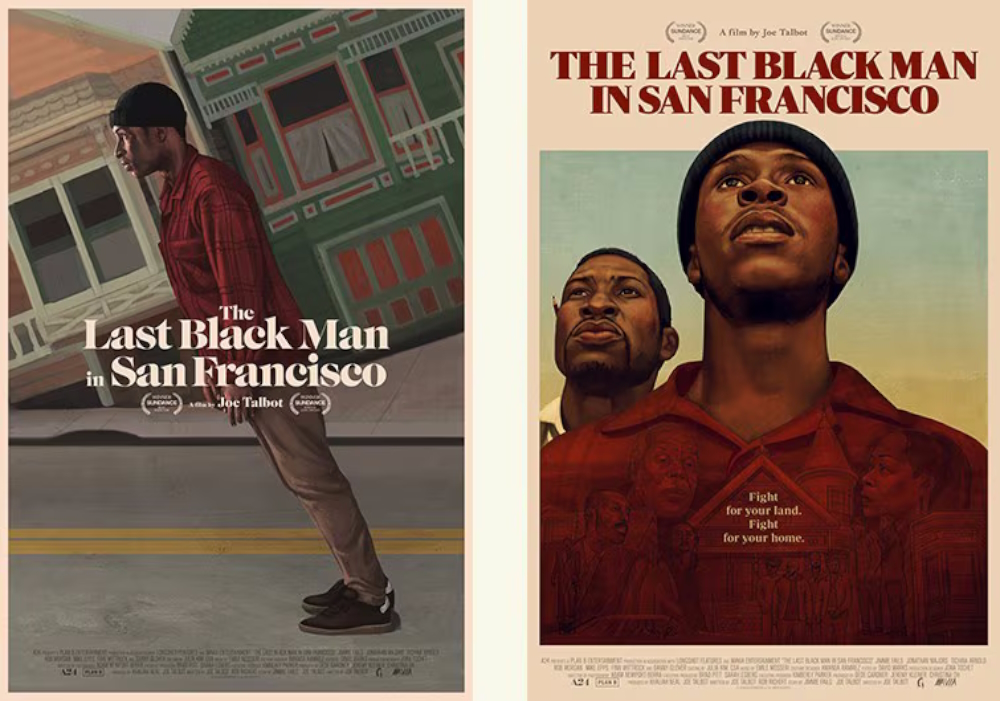
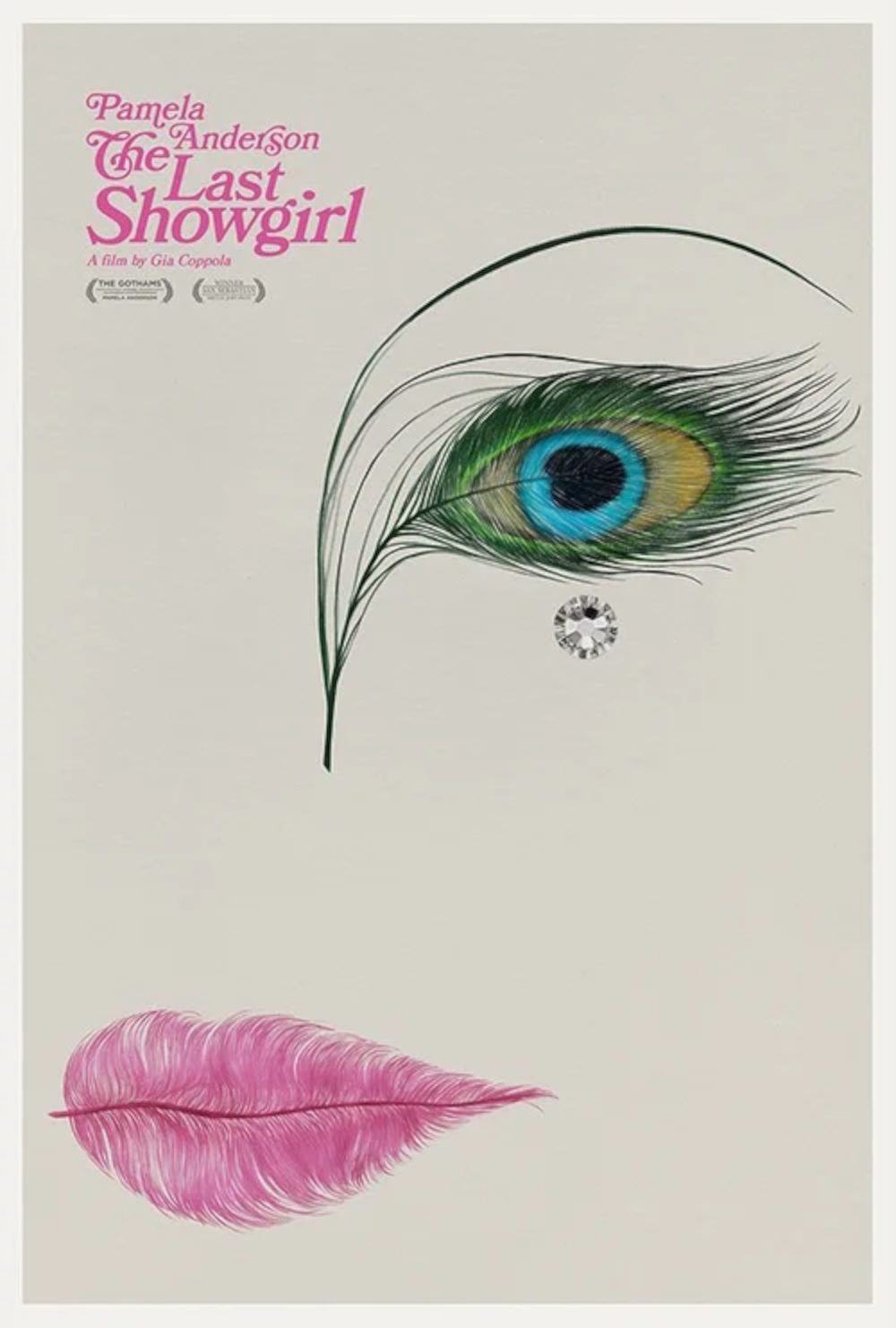
Within the first 16 years of her solo-career Akiko Stehrenberger has created over 9,000 posters. “Very few make it to the end“, she reveals to austinfilm.org. “I am used to my work being thrown in the trash (although luckily I’m always compensated for my time).“ So far, this full-time freelancer has “worked on projects for some of cinema’s most important and influential filmmakers, translating their unique vision from screen to film poster”, knows Little White Lies, the movie review and news magazine. “The list of names includes a long roster of trailblazers, among them Michel Gondry, Spike Jonze, Jonathan Glazer, Harmony Korine, The Coen Brothers, Sofia Coppola, David Lynch, Michael Haneke, and dozens of others”. The extensive client list of her commissioned work features Amazon Studios, HBO Max, Levi’s, NASA, Netflix, Paramount Studios, Porsche and Sony Pictures.
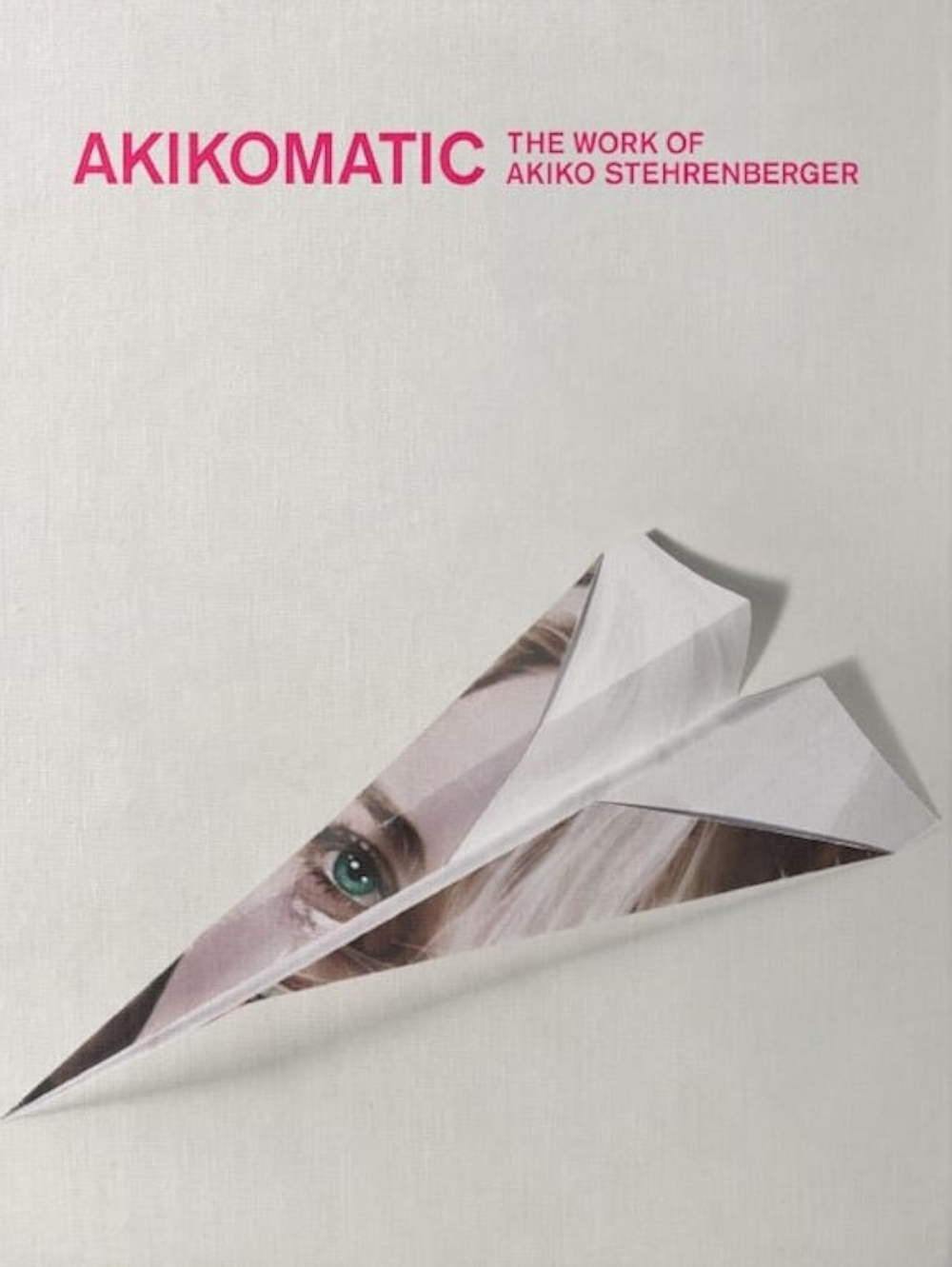
The monograph Akikomatic: The Work of Akiko Stehrenberger (Hat & Beard Press) allows an insight into this designer‘s prolific labor. It not only collects her best posters up until 2020, but examines the design process of visuals too. The second edition was released two years later with one third of the book filled with new pieces created within this time span.
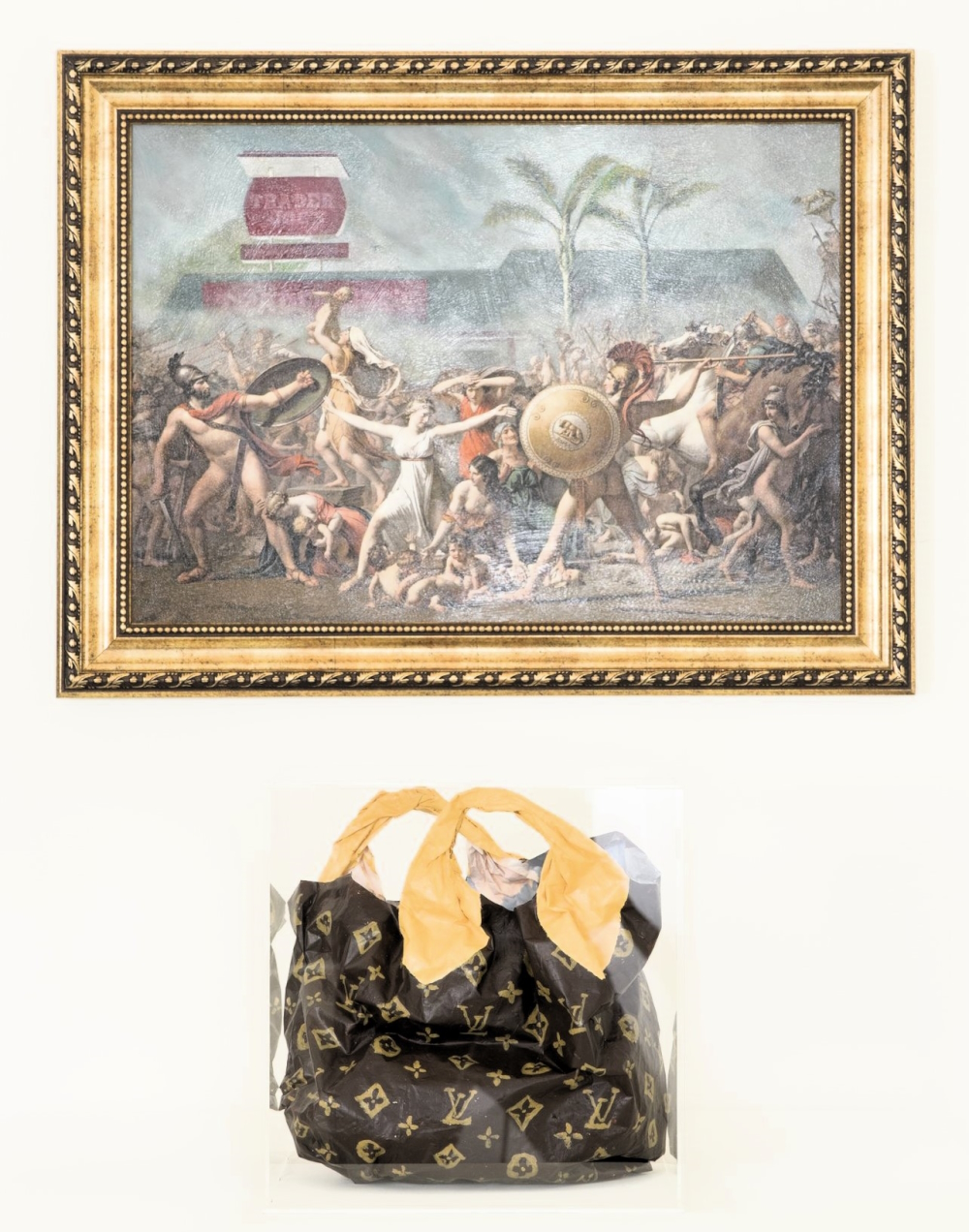
Through the instagram alias ‘Doyrivative‘, Akiko Stehrenberger introduces a different side of her creativity: “In my non-movie-poster work“, she informed creativereview.com, “I try to make a hybrid of art history and pop culture with a sprinkle of eight-year-old boy humor.“ Her mixed media paintings, thought-provoking sculptures and drawings are to be seen on Doyrivative's instagram and presented by solo exhibitions from time to time. In its review whitehotmagazine.com, “one of the world's most popular art magazines“ (quote on own website) wrote: “Staying true to her instinct and absurdist mind fuels Akiko Stehrenberger to produce work that is thoughtful, intriguing, and full of humour & delight. The work of Akiko Stehrenberger brings to mind artists James Rosenquist, George Condo, Banksy, Yoko Ono and of course The Dadaists.“
Akiko Stehrenberger, who is mother of a son, lives and works in Los Angeles.
Interview March 2026
Balancing art and advertisement: making the impossible possible
INTUITION/IMAGINATION
?: How does intuition present itself to you – in form of a suspicious impression, a spontaneous visualisation or whatever - maybe in dreams?
It appears mostly in spontaneous visualization and sometimes from previous ideas that I never got to use.
?: Will any ideas be written down immediately and archived?
Yes, usually whether in a sketch, note, or screenshot of inspiration from the internet.
?: How do you come up with good or extraordinary ideas?
I look at so many things constantly, related and unrelated. It’s never a straight line.
?: Do you feel that new creative ideas come as a whole or do you get like a little seed of inspiration that evolves into something else and has to be realized by endless trials and errors in form of constant developments until the final result?
The latter for sure. I am never flooded with ideas immediately. It takes research, lots of thinking, coming up with key words/themes that then help me find eventual visuals.
?: What if there is a deadline, but no intuition? Does the first fuel the latter maybe?
A deadline definitely fuels it. If I have too long or no deadline to come up with ideas, I overthink/overcomplicate things and next thing I know I’ve talked myself out of things.
INSPIRATION
?: What inspires you and how do you stimulate this special form of imaginativeness?
I have an incredibly organized Pinterest with many folders separated by reference imagery related to specific projects. Occasionally a later project may have a similar theme as a previous one so I revisit those folders hoping for inspiration. I also have many folders of just very cool things completely unrelated to anything. I go through them all for every project to see if it sparks anything because it often does.
?: How do you filter between ideas that are worthwhile pursuing and bad ones that you just let go of?
I put together and present a PDF of 5-8 ideas and usually put my favorite at the beginning and another strong one at the end. If I find myself really not enthusiastic about an idea in particular, I leave it out. I used to include them to show I did more work, but the universe often makes the client pick the one I’d dread to do most.
?: Does an idea need to appeal to you primarily or is its commercial potential an essential factor?
Commercial and marketing potential has to be an essential factor or I’m not doing my job. If I can find something that checks the marketing box but still feels clever/unconventional, that is the work I am most proud of.
?: Do you revisit old ideas or check what colleagues or competitors are up to at times?
I rarely see what competitors do because I work remotely. I revisit old ideas all the time because 90% of them for every project get thrown in the trash. I am not recycling the art itself, but giving its concept a second life and finding a way to mold it to the new film.
CREATIVITY
?: What time or environment best suits your creative work process — for example, a time and place of tranquility or of pressure?
There’s no time in particular, but when coming up with concepts, I can’t even have music on as I need all focus hands on deck.
?: Which path do you take from theory or idea to creation?
After the client picks one of my ideas, (which are only in rough thumbnail sketch form with a description line) that is when I start to figure out more logistically how this idea will look visually inside the poster’s composition with the necessary typography.
?: What’s better in the realization process — for example, speed and forcing creativity by grasping the magic of the moment or a slow, ripening process for implementation and elaboration?
Although my deadlines can be very tight, I like taking at least a solid full day minimum to come up with ideas. They need time to marinate in my head because not only do I have to figure out what the idea is, I have to decide how I will execute it and in which illustration style. This is so important in my process as it’s the soul of my piece.
?: How important are self-doubt and criticism by others during such a process?
Not so much is it important to me anymore. I mean, I want to do the best job I can for every project, but I’ve been doing this for 22 years now. Everyone has an opinion or reasons a piece can’t make it to the next round. I’ve gotten very used to not taking it personally. I also grew up with a hyper critical Asian mom and an OCD Swiss dad. Because of this, it is very very difficult to hurt my feelings.
?: Is it better to be creative on your own, to trust only your own instincts, or to work in a team?
The one thing about being independent and working remotely for 20 years now, is that I truly do miss critiques with colleagues or even knowing that it’s ok to struggle if perhaps other people are struggling on the same project. I do wish I worked with people that knew how to paint so that I may be called out more on the actual illustration’s perspective and anatomy. I’ve learned since to rely on my own instincts but also enjoy seeing what other designers create and post on IG. It’s always inspiring!
?: In case of a creative block or, worse, a real failure, how do you get out of such a hole?
Fake it til you make it!
?: Should a creative person always stay true to him- or herself, including taking risks and going against the flow, or must the person, for reasons of commercial survival, make concessions to the demands of the market, the wishes of clients and the audience’s expectations?
To have consistent work in my industry, one has to be extremely versatile and not ignore the marketing asks. If one can do all that and still find a way to be true to oneself, that’s striking gold. It’s a fine line from giving the client exactly what they ask, to giving them something you believe is smarter building off of their ask.
?: How are innovation and improvement possible if you’ve established a distinctive style? Is it good to be ahead of your time, even if you hazard not being understood?
My approach is simply not being limited to a distinctive style. Versatility allows me to find innovation and improvement because I’m constantly teaching myself new ways to paint and communicate visually to match the project. I don’t want any limits after I’ve come up with an idea, and it’s always the idea that informs how I execute the piece, not the other way around.
?: When does the time come to end the creative process, to be content and set the final result free? Or is it always a work-in-progress, with an endless possibility of improvement?
Deadlines are my best friend. Without them, I would never know when to stop. I can tinker with any piece until I’m six feet under.
?: How does artificial intelligence change human creativity? And do you? Would will you use it at all?
I think with any new technology, it can be a helpful tool as long as it’s not heavily relied upon. Up until a half year ago, when I’d come up with concepts, I’d spend a lot of time looking online for reference imagery. This helps things go faster for me. I still paint everything and it takes just as long, but at least getting to the blueprint of the piece goes faster. I’m a stickler for making sure my hand skills don’t get rusty, even when I do more and more digitally painted pieces. I want to make sure everything I paint in the computer, I can also paint in real life.
SUCCESS
“Success is the ability to go from one failure to another with no loss of enthusiasm.” Do you agree with Winston Churchill‘s quote?
Yes, I do!
?: Should or can you resist the temptation to recycle a ‘formula’ you're successful with?
I cringe when someone asks me to repeat myself and often try to talk them out of it. Most of the time I can, but other times my hands are tied. In this case, I still try to find ways to make it different, and some are definitely more successful than others.
?: Is it desirable to create an ultimate or timeless work? Doesn’t “top of the ladder” bring up the question, “What’s next?” — that is, isn’t such a personal peak “the end”?
I keep waiting for the day for people to stop hiring me. It could be right around the corner, no-one ever knows. But that won’t mean the end of making art for me. I’ve pivoted before movie posters and will pivot after. I’ve always managed to make my personal art alongside my professional. I just need to make sure I buy lotto tickets.
MY FAVOURITE WORK:
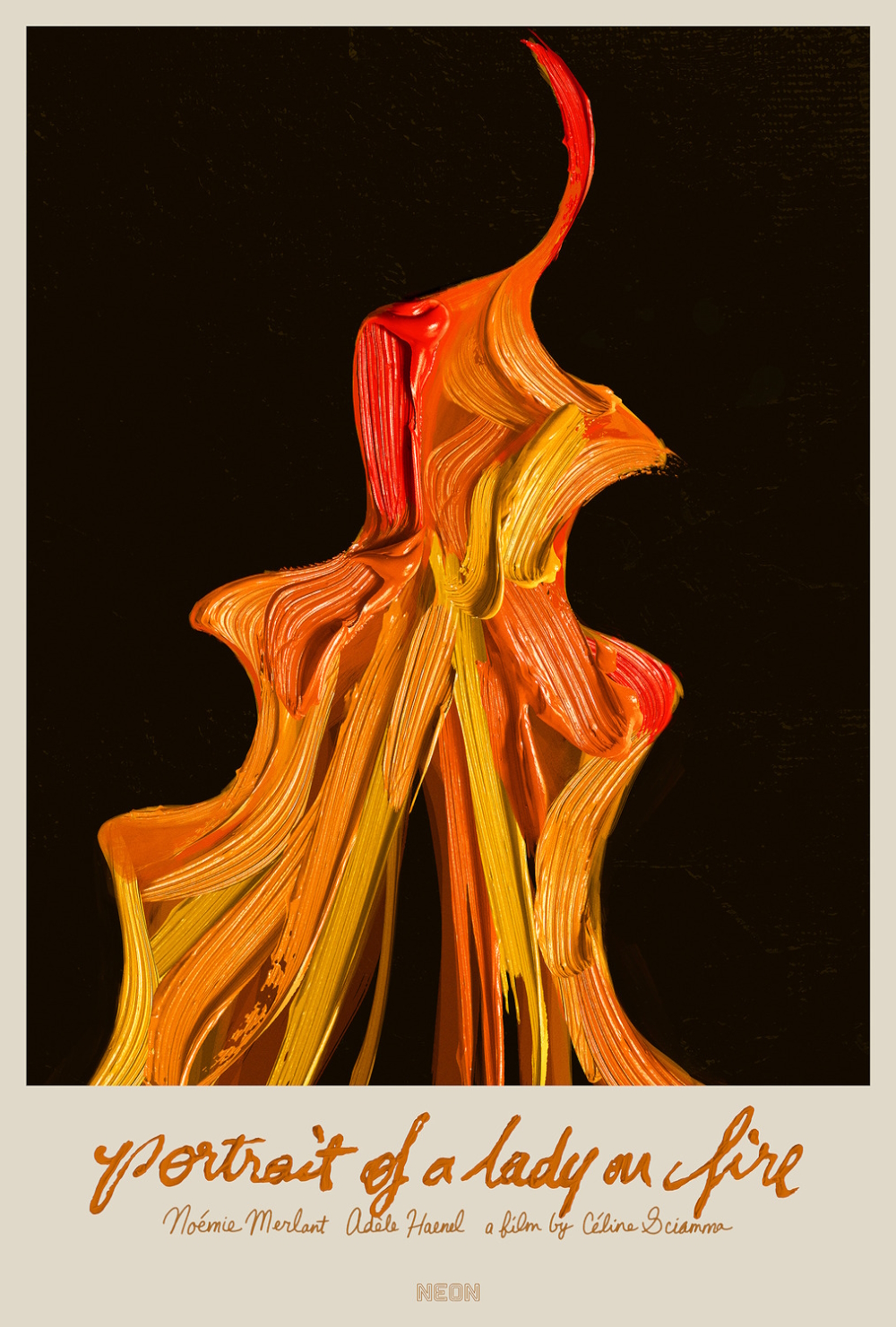
One of the pieces I’m still most proud of is Portrait of A Lady On Fire. I loved how I got something so simple pushed through to the end. I was happy I used oil paint since the story follows a woman oil painter that falls in love with her subject and has a secret affair with her. People enjoyed the poster even without seeing the optical illusion of the two silhouettes kissing. Some even found shapes that they thought were more subliminal messages, and it became a bit of a Rorschach test. I am always so proud of a simple image that can do so much.