Shahad Alazzaz
architect / designer
Saudi Arabia
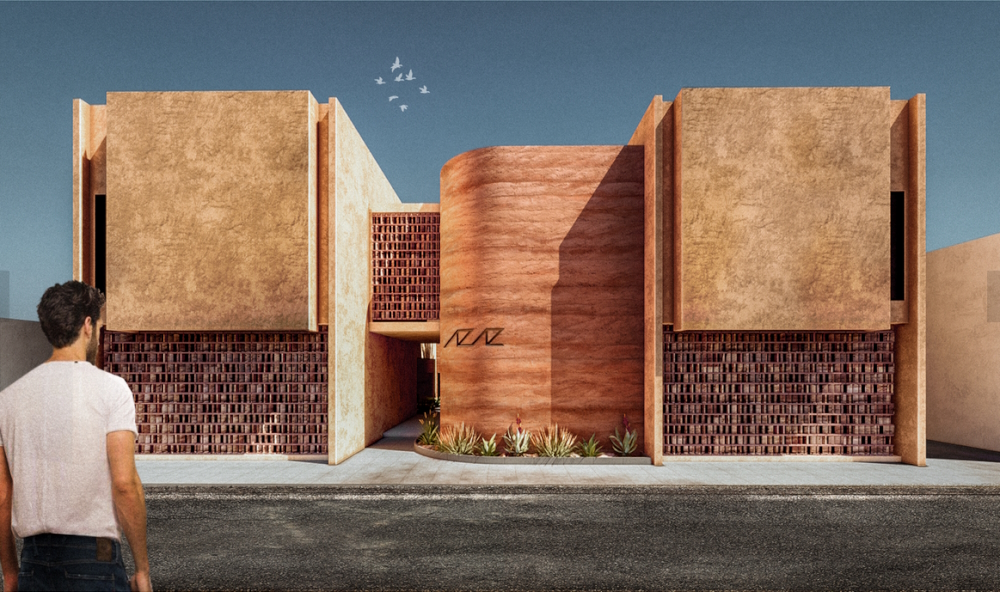
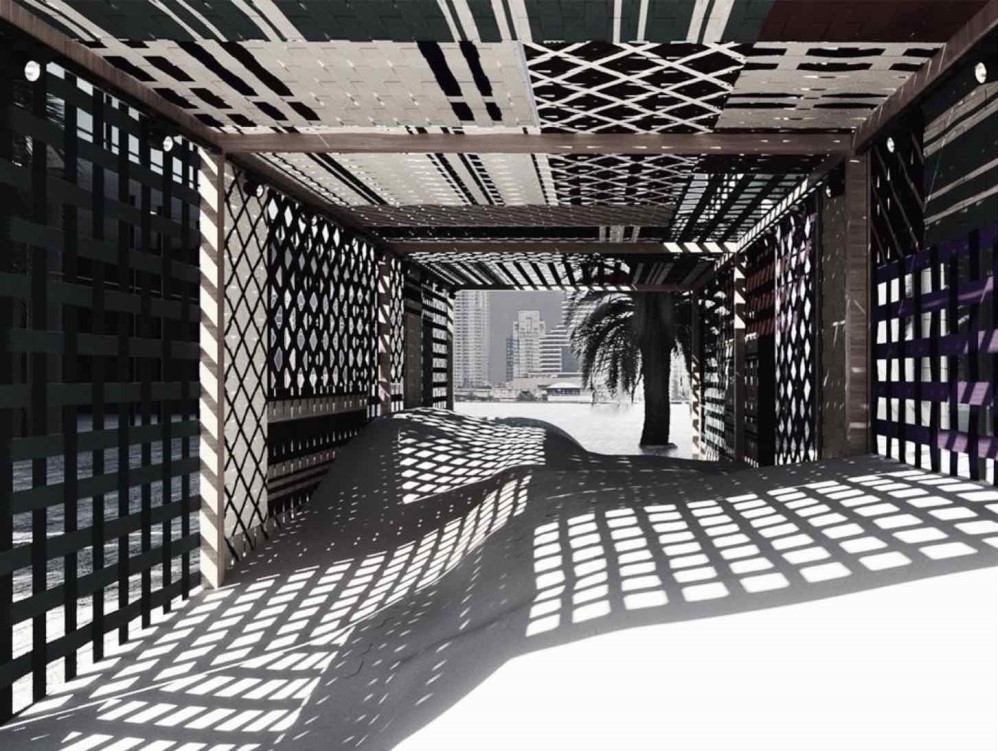
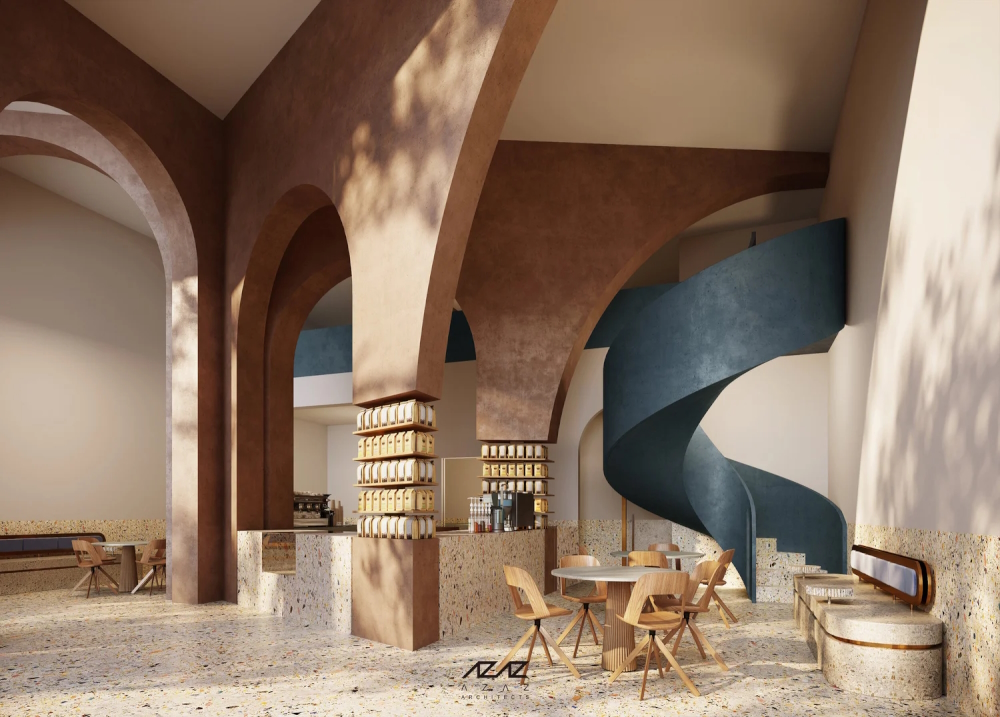
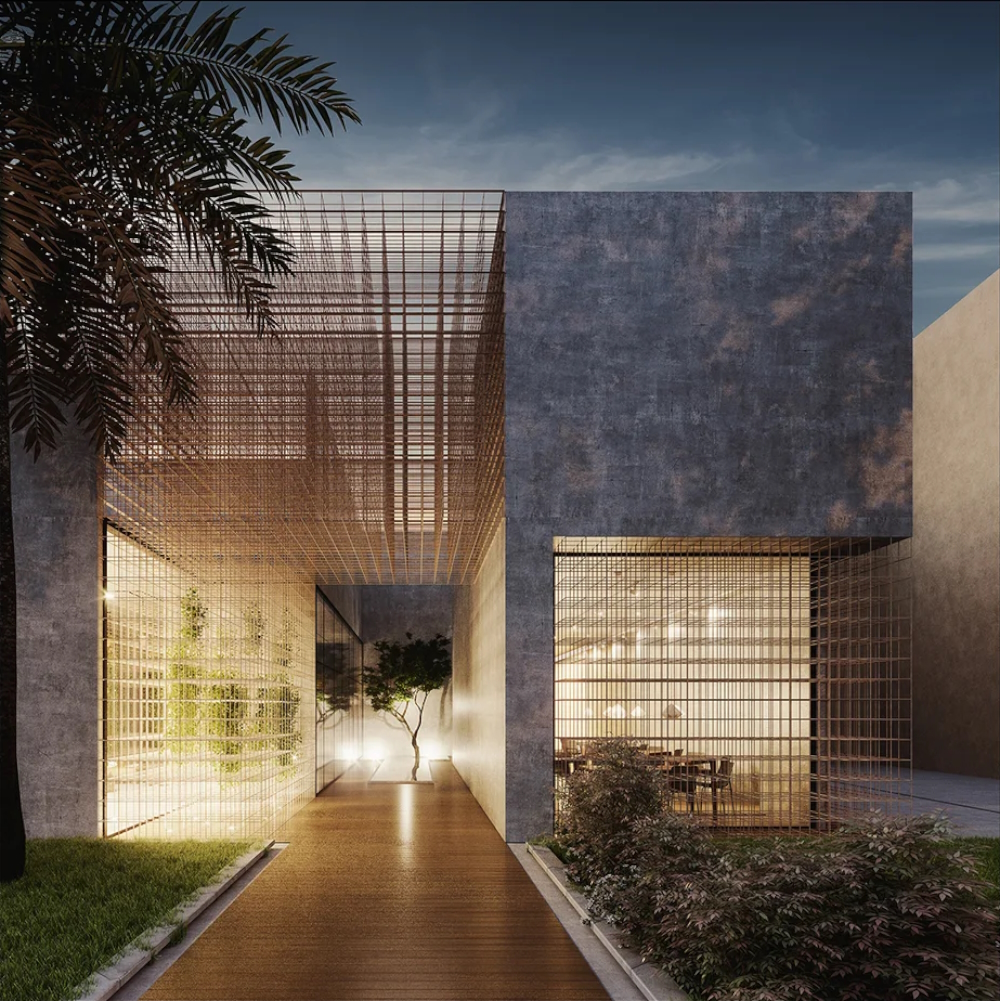
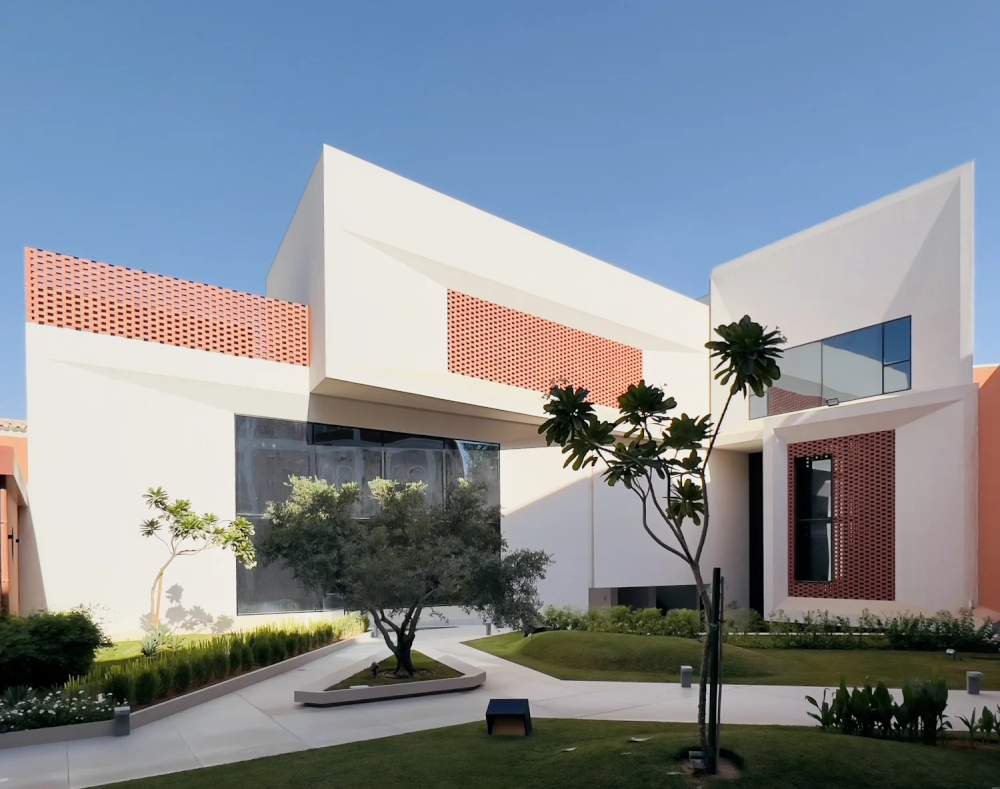
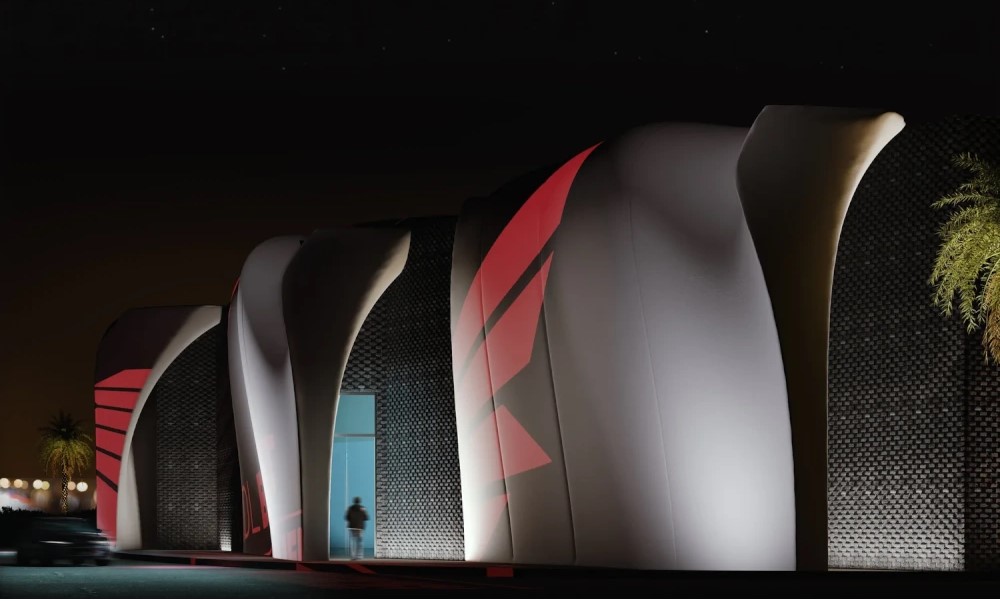
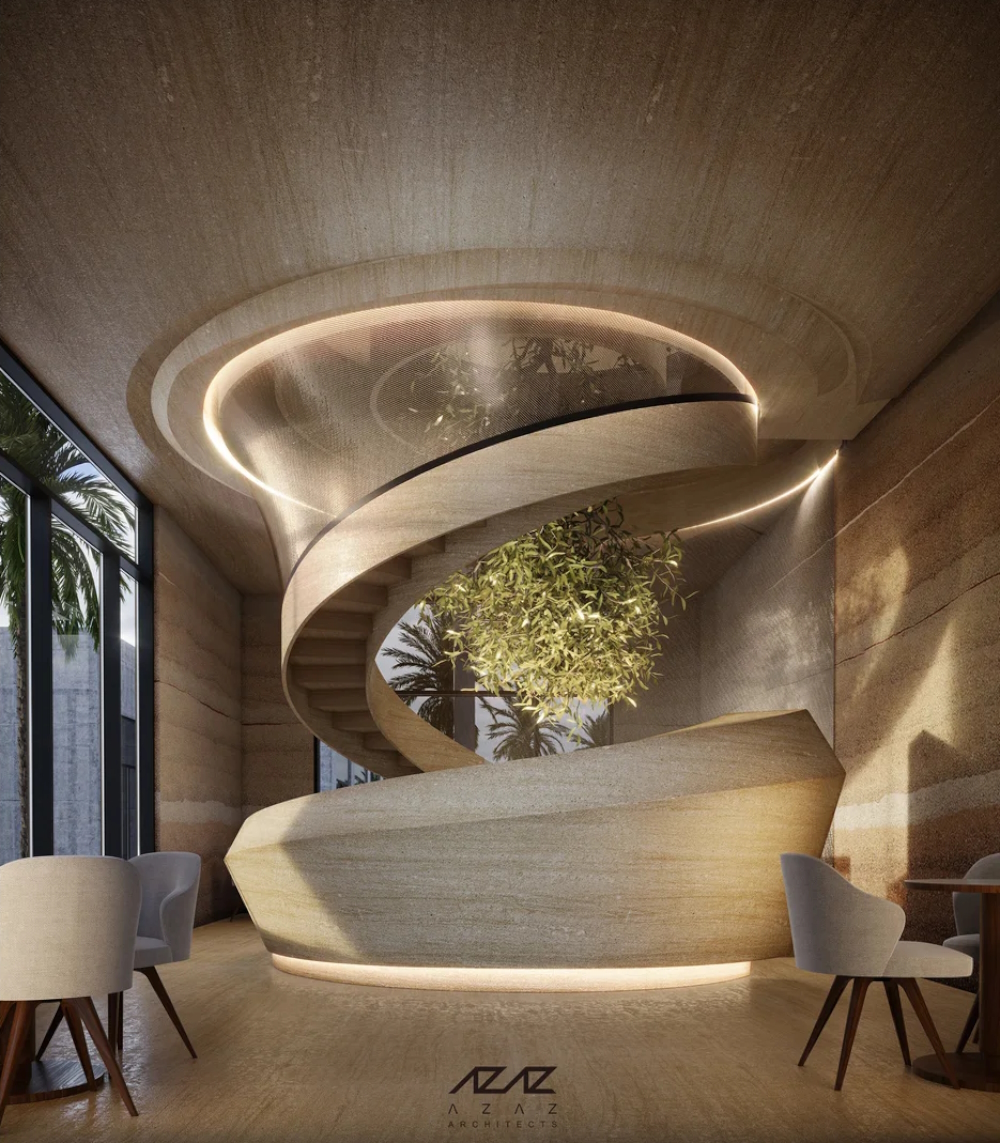
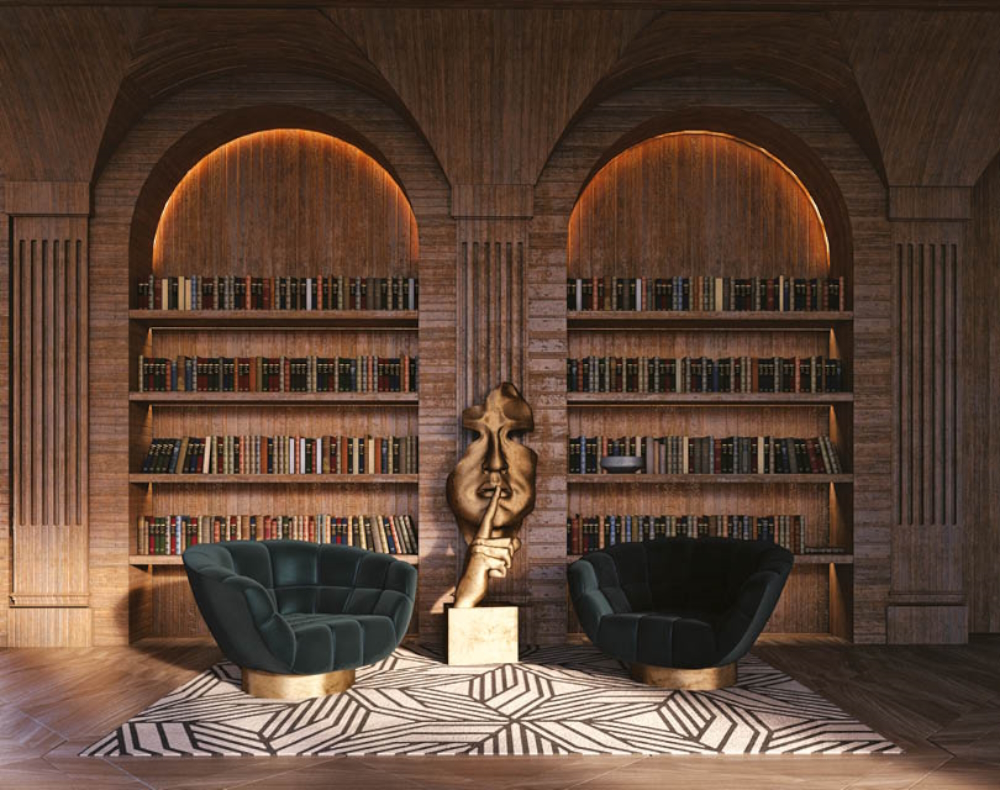
A homage to the ancient technique of weaving palm fronds called Sa‘af. That was the design trick for the pavilion representing the Eastern Provinces of Saudi Arabia at Dubai Design Week 2019. The Kimyona Restaurant in Riyadh with the dining room‘s secret passage through one of the art pieces in a photographer’s gallery. The famous national coffee roasters Elixir Bunn in the Saudi Arabian kingdom’s capital as a “Deco Temple” with its structural column in the center for taking visitors into a modern day spiritual-like experience. Three examples that show the stylistic versitality of an internationally attention-getting practice in the Middle East that „has grown to become one of the most highly reputable firms in Saudi Arabia“ (designwanted.com). The much awarded enterprise offers full architectual, interior design, master planning, furniture design and public art installation service „for bringing a new voice to Saudi Arabian design – while still paying homage to the region’s traditions“ (pmi.org). The company is founded and led by a woman whose determination and ambition are focused for a very good reason.
Shahad Alazzaz
architect / designer
Saudi Arabia
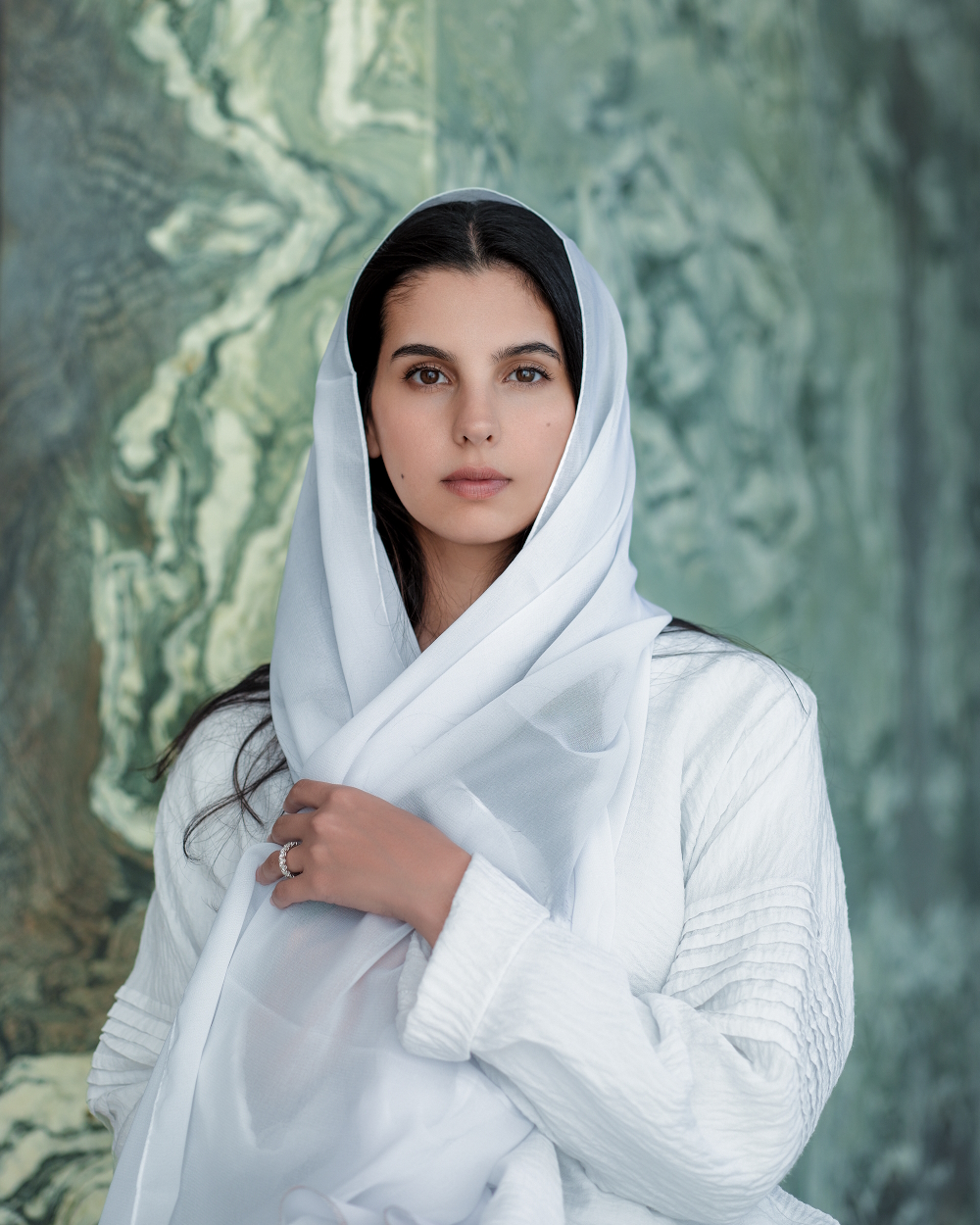
„Improving the quality of life!“ These five words that Shahad Alazzaz mentioned to DesignWanted when describing the ultimate objective of the site-specific projects she manages carry a deeper meaning for her too: the statement can be viewed as an indirect link to the very personal parental background also. Her father, a commited journalist/photographer, took an attention-getting key visual of women seeking the right to drive in Saudi Arabia 1990. This legitimation is not only an important part of female liberation but an improvement in their quality of life as well.
Shahad Alazzaz (* November 6, 1989 in Riyadh, Saudi Arabia) studied architecture at the University of Manchester in North West England. Upon the successfull completion with a BA she joined Rafael De La-Hoz, one of Spain’s largest architectural firms, as a summer intern. „There, her ability to juggle multiple projects of various sizes so impressed her boss that she was appointed to oversee the company’s Middle East office“ (pmi.org) as the Middle East Projects Manager. During the six years living in Spain’s capital Shahad Alazzaz did her Master’s Degree in Architectural Design and Project Management at IE Business School. Then it was time for her to return home and become independent.
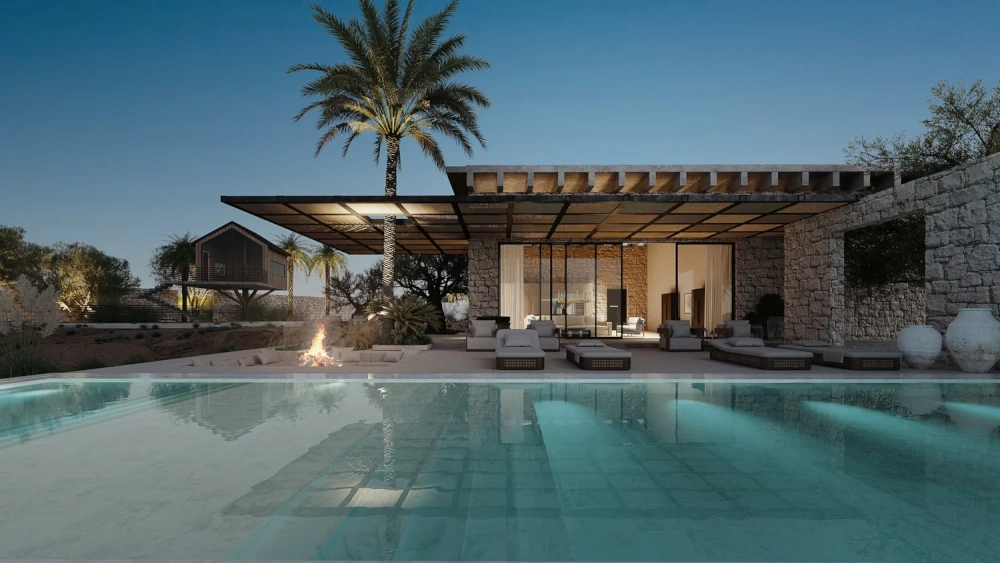
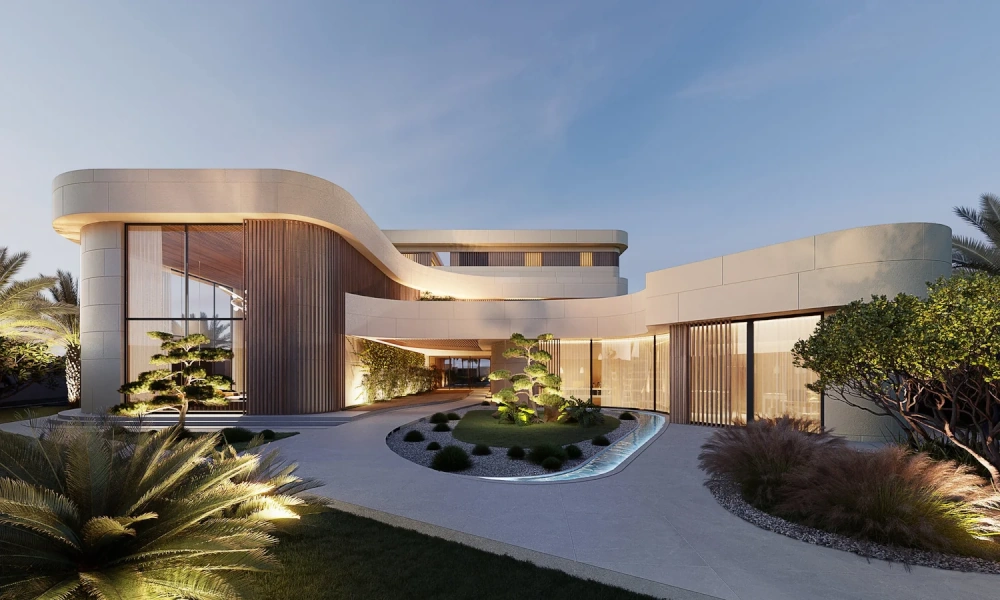
In 2017 Azaz Architects was founded – the brand name being an extension of the founder’s surname. The boutique firm has a broad portfolio ranging from single residential projects to mixed-used buildings – always with the focus on detail and strong commitment to providing sustainable solutions.
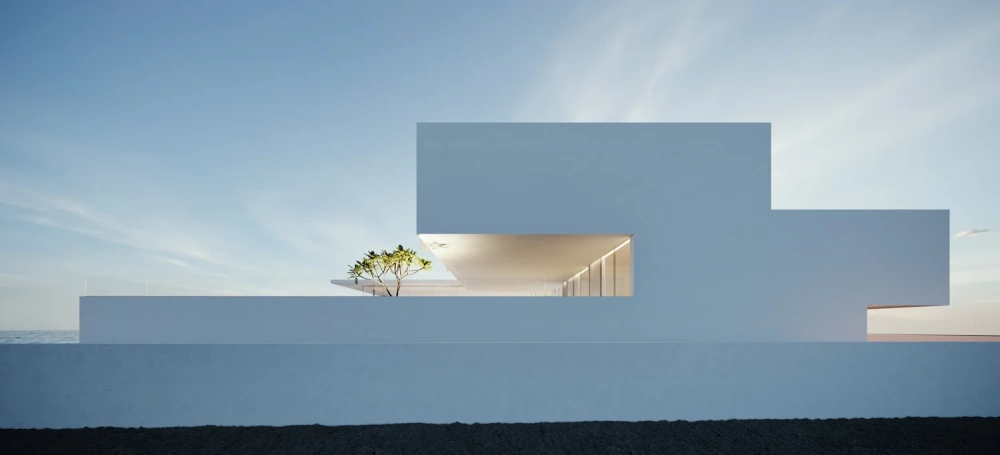
„We deal with architecture as a form of literature: every single writing is deemed to have artistic or intellectual value“, Shahad Alazzaz told DesignWanted. „We understand the brief, analyze the client’s needs then design. Architecture always belongs to its concept. It is our role to create a deeper concept that goes beyond the tangible. A building could change someone’s life, create humor and build hopes. This is what we focus on when a project starts. However, there is always a certain aesthetic that I find myself inclined to heritage. Most of our projects employ the use of minimal masses with ornamented facades and arches. I like the tension that results from a mix of classical and modern architecture.”
“Beauty should be the problem-solving principle in architecture,” Shahad Alazzaz emphasizes on villa88.com. “Whenever I interact with a project, I try to strongly embrace efficiency, scale, art and fashion.” In tune with that remark are the creatives she admires: the Venezuelian Kinetic and Op Art pioneer Carlos Cruz-Diez, South Korean fashion designer Minju Kim and the Spanish postmodern architect Richardo Bofill
Within a relatively short period of time Azaz Architects raised to a multiple international award-winning architecture firm. Their numerous honors include „Best Architect Award 2022“ and being listed in 2026 in the Architectural Digest magazine‘s Middle East AD100 for another consecutive year. „The journey to success is dynamic and never-ending“, the company’s founder explains on arabnews.com. „While failure seems like the end, it is nothing but part of the process and that perseverance is key to the continuation of that journey!“
Shahad Alazzaz, who is also a Royal Institute of British Architects representative in Riyadh, lives and works in her place of birth to date.
Interview February 2026
Bridging the gap: creating a vision in the tension between the old and the new
INTUITION/IMAGINATION
?: How does intuition present itself to you – in form of a suspicious impression, a spontaneous visualisation or whatever - maybe in dreams?
I am a highly visual person. I tend to connect with my thoughts through visual interpretation, and I understand and communicate concepts best through sketches, drawings, boards, and other visual tools. For that reason, I believe my intuition presents itself primarily through visual absorption — images, spatial relationships, and atmospheres rather than words alone.
?: Will any ideas be written down immediately and archived?
I write everything down. Some may consider that old school, but for me it is the most effective way to stay organized. I carry a notepad and a printed calendar with me at all times. As for our professional work, yes — all designs are carefully documented and archived internally.
?: Do you feel that new creative ideas come as a whole or do you get like a little seed of inspiration that evolves into something else and has to be realized by endless trials and errors in form of constant developments until the final result?
Most ideas begin humbly, but with a clear sense of excitement about their potential. When I start with a small seed, I trust that it can grow into something much larger. I follow my intuition and commit to the process, even when I encounter obstacles. When I believe in an idea, I persist — nudging, refining, and developing it until it reaches its full potential.
?: What if there is a deadline, but no intuition? Does the first fuel the latter maybe?
Deadlines are extremely important to me; they act as a governing line of action. That said, I never submit work simply for the sake of meeting a deadline. It is essential to deliver work that genuinely resonates and leaves an impact. Achieving this consistently requires meticulous planning and sustained effort. Meeting deadlines with work you can truly stand behind is never simple, but it is a standard I hold myself to.
INSPIRATION
?: What inspires you and how do you stimulate this special form of imaginativeness?
I draw inspiration from my environment — from stories, memories, and conversations, as well as from the work of other artists. The world is vast, and I feel fortunate to have access to such an abundance of inspiration.
?: How do you filter between ideas that are worthwhile pursuing and bad ones that you just let go of?
I prefer to give most ideas an opportunity to develop. Often, clients play a role in filtering concepts. Collaboration is also key — working closely with my team helps clarify and strengthen ideas, and that collective process often reveals which concepts carry the greatest potential.
?: Does an idea need to appeal to you primarily or is its commercial potential an essential factor?
An idea must resonate with me first. We sometimes receive inquiries that are commercially attractive but misaligned with my design philosophy. In those cases, I choose to step away, as I believe true value can only be added when there is genuine alignment between the project and our approach.
?: Do you revisit old ideas or check what colleagues or competitors are up to at times?
I do try to stay informed about what other designers are doing, although I admit that finding sufficient time for this can be challenging. Revisiting ideas happens naturally, especially when new contexts allow them to evolve differently.
CREATIVITY
?: What time or environment best suits your creative work process — for example, a time and place of tranquility or of pressure?
I am very much a morning person. I value my morning routine — arriving at the office early, checking in with the team, and reviewing progress. Occasionally, I like to change that rhythm by starting the day with site visits. Seeing our designs take shape in the built environment is both refreshing and deeply rewarding.
?: What’s better in the realization process — for example, speed and forcing creativity by grasping the magic of the moment or a slow, ripening process for implementation and elaboration?
I believe design needs time to mature. I am strongly opposed to rushing the creative process, and I have often turned down projects when the allotted design timeframe is too restrictive. Quality requires patience.
?: How important are self-doubt and criticism by others during such a process?
Peer review is not only welcome but encouraged. I often see team members seeking feedback from one another, and I believe this strengthens our work. A fresh perspective can significantly improve a design while keeping the project’s core intentions intact.
?: Is it better to be creative on your own, to trust only your own instincts, or to work in a team?
This was a learning process for me. In the early days of the practice, I was slower to fully trust the team. Over time, I learned to let go and empower others. With the team’s support, we are now able to take on larger and more complex projects than ever before.
?: Should a creative person always stay true to him- or herself, including taking risks and going against the flow, or must the person, for reasons of commercial survival, make concessions to the demands of the market, the wishes of clients and the audience’s expectations?
Early on, I developed a strong design philosophy that later evolved into a clear corporate strategy. Having a commercial structure aligned with my artistic intuition allows me to navigate challenges without compromising my values. This alignment helps me move forward even during difficult moments. Because our business strategy is closely aligned with our design philosophy, this dilemma rarely arises. That alignment removes the tension between creativity and commerce from our day-to-day work.
?: How are innovation and improvement possible if you’ve established a distinctive style? Is it good to be ahead of your time, even if you hazard not being understood?
When I design, I answer to two forces: my design philosophy and the client’s needs. Once those are aligned, innovation becomes essential. Continuous growth prevents repetition and ensures that each project adds something new rather than simply reiterating past work.
?: When does the time come to end the creative process, to be content and set the final result free? Or is it always a work-in-progress, with an endless possibility of improvement?
Our workflow follows internationally recognized design stages, each with clear deliverables and timelines. While design always allows room for refinement, projects typically reach a defined conclusion with a clear and complete outcome.
SUCCESS
“Success is the ability to go from one failure to another with no loss of enthusiasm.” Do you agree with Winston Churchill‘s quote?
Success certainly requires perseverance, and in that sense I agree with the quote. However, I do not believe it fully defines success. For me, success also involves clarity of purpose, consistency, and long-term impact.
?: Should or can you resist the temptation to recycle a ‘formula’ you're successful with?
I don’t see an issue with relying on a proven process. I know what it takes to produce meaningful, beautiful design, and I remain committed to that process every time.
?: Is it desirable to create an ultimate or timeless work? Doesn’t “top of the ladder” bring up the question, “What’s next?” — that is, isn’t such a personal peak “the end”?
This is something I actively aspire to. I am grateful that I believe our projects can stand the test of time. That said, I am still searching for an architectural icon — a project that becomes a lasting legacy across generations.
MY FAVOURITE WORK:
It's hard for me to single out one project only. I think all of our projects are very representative of our firm, or at least our journey of growth. Surely, our projects have evolved from our first projects. But so have I and Azaz Architects.