Sephora Nahon
concept restaurant developer & founder
France
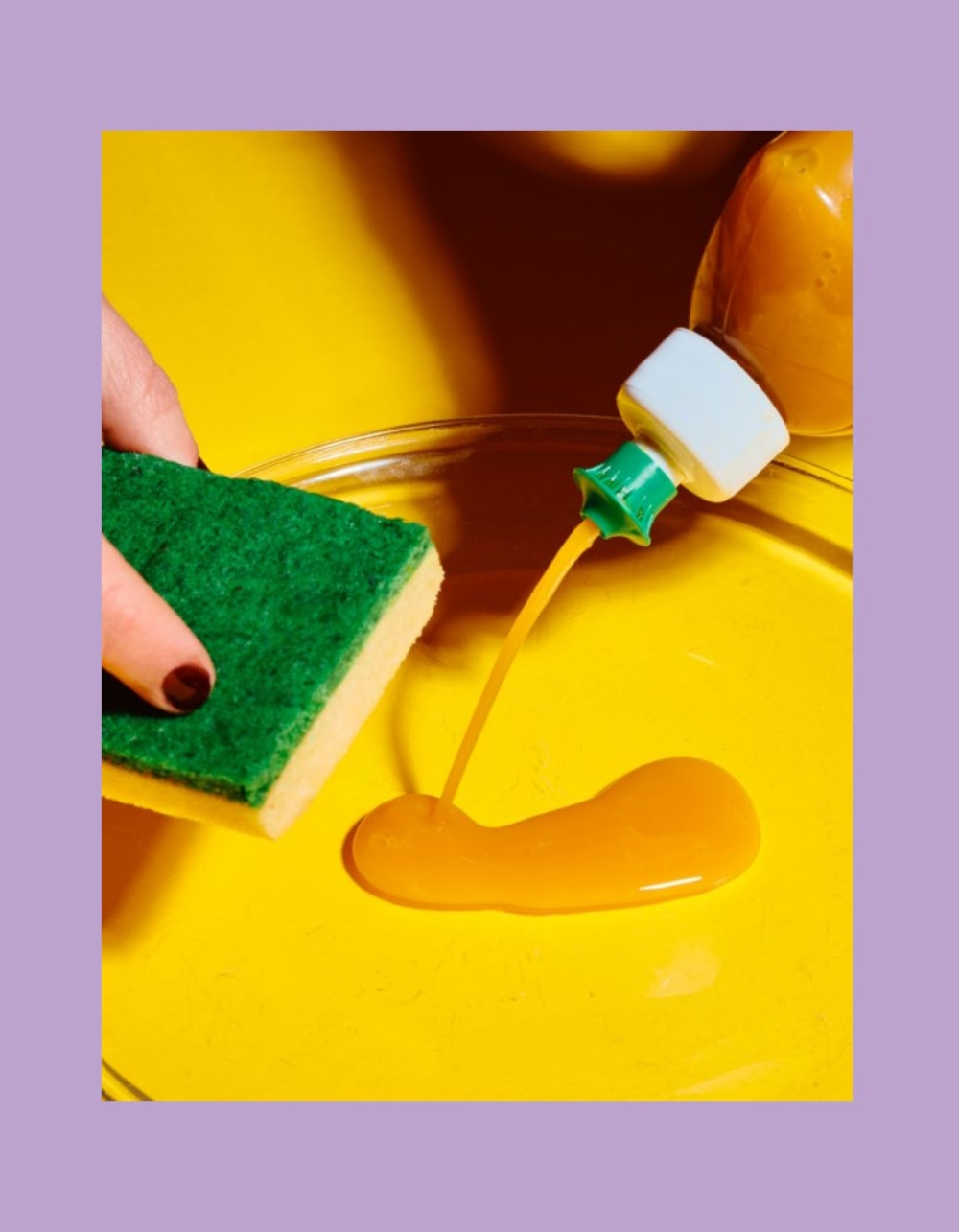
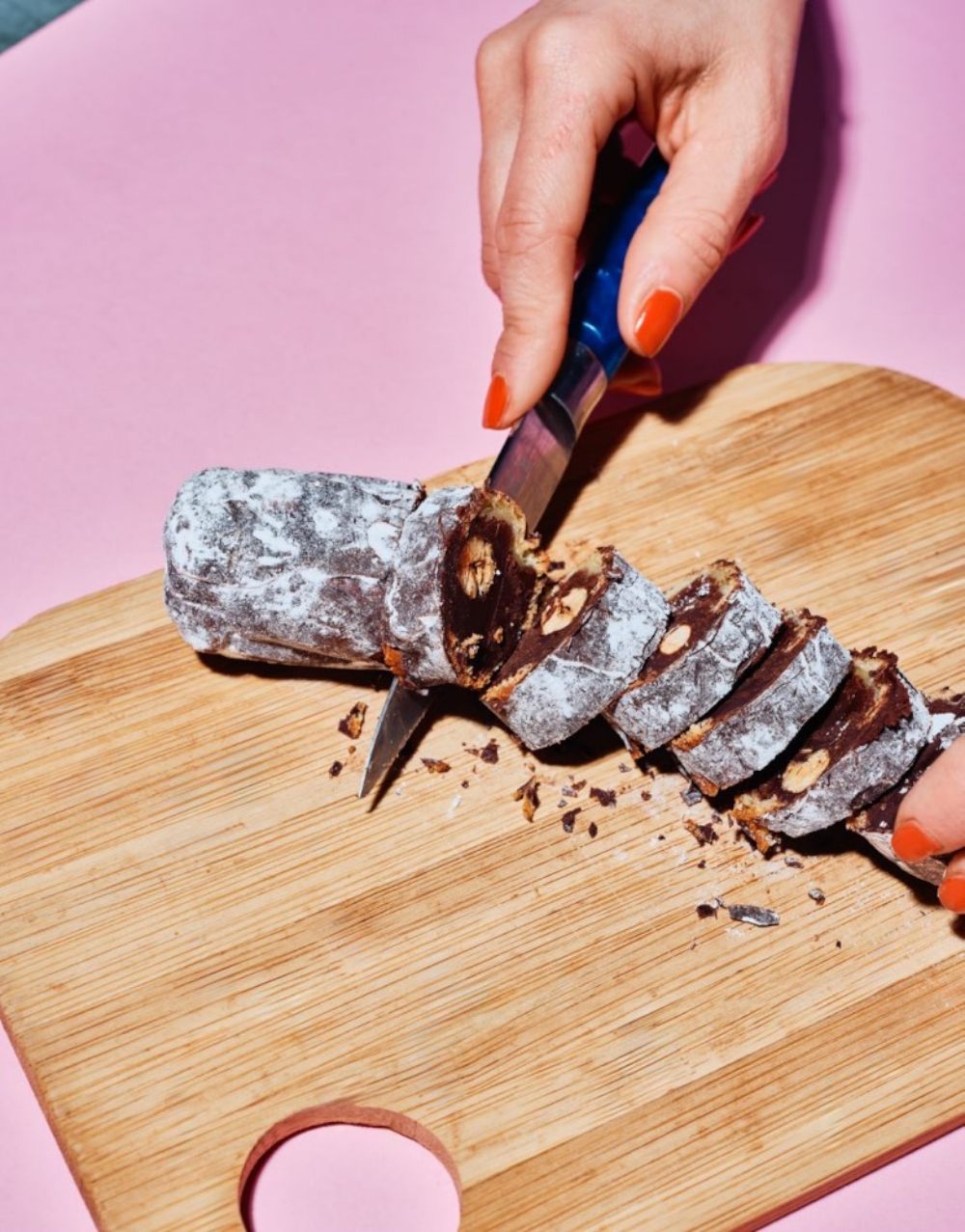
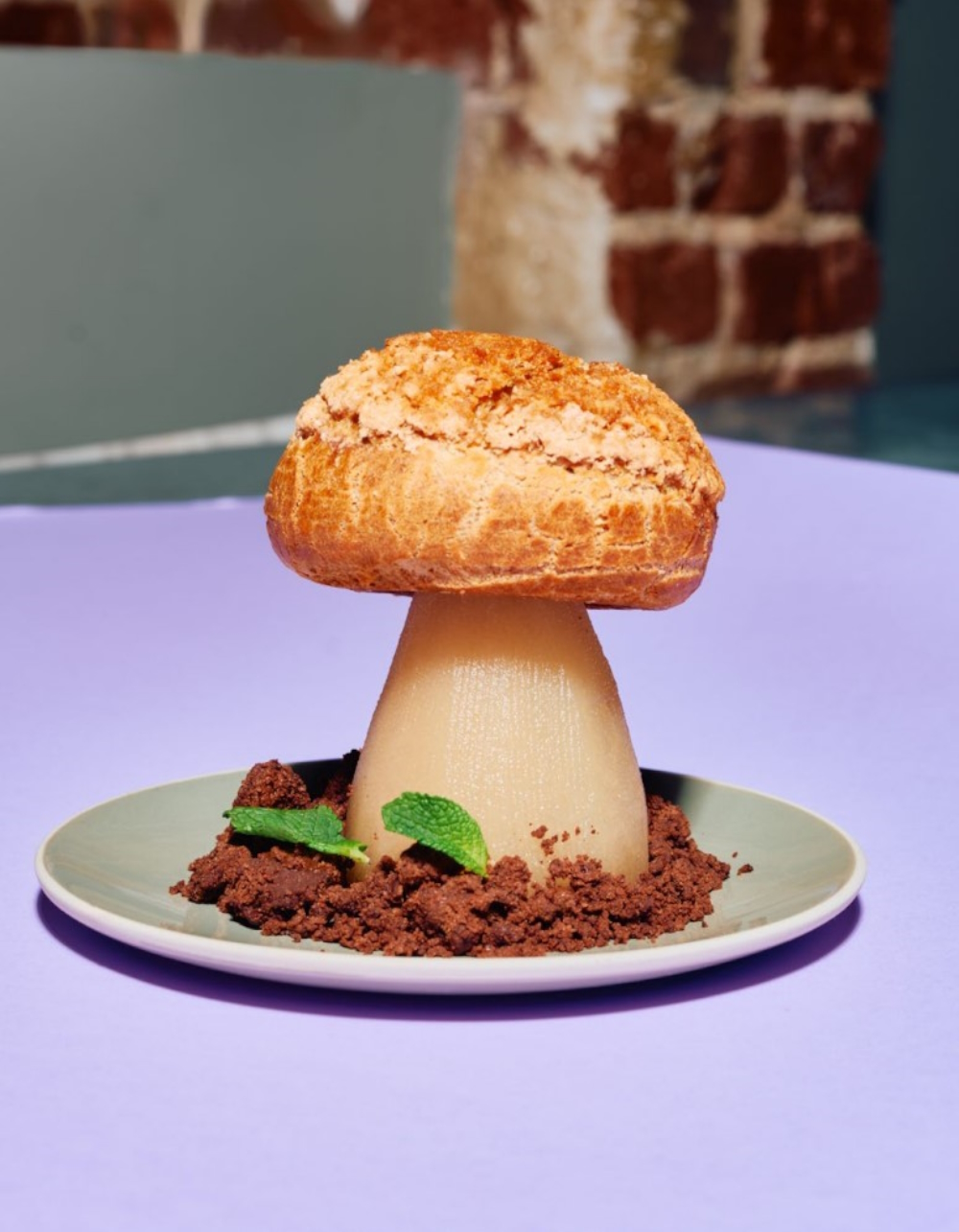
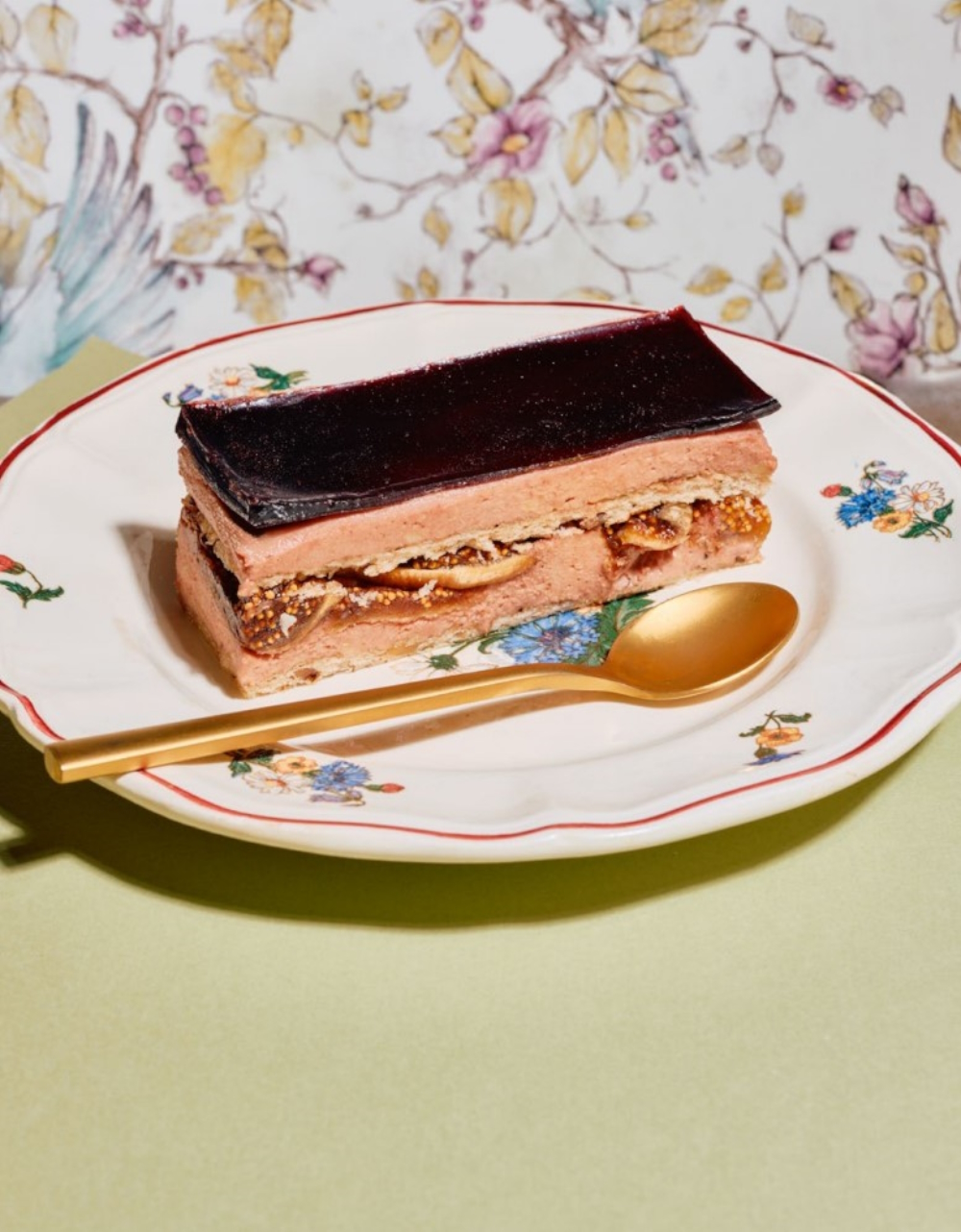
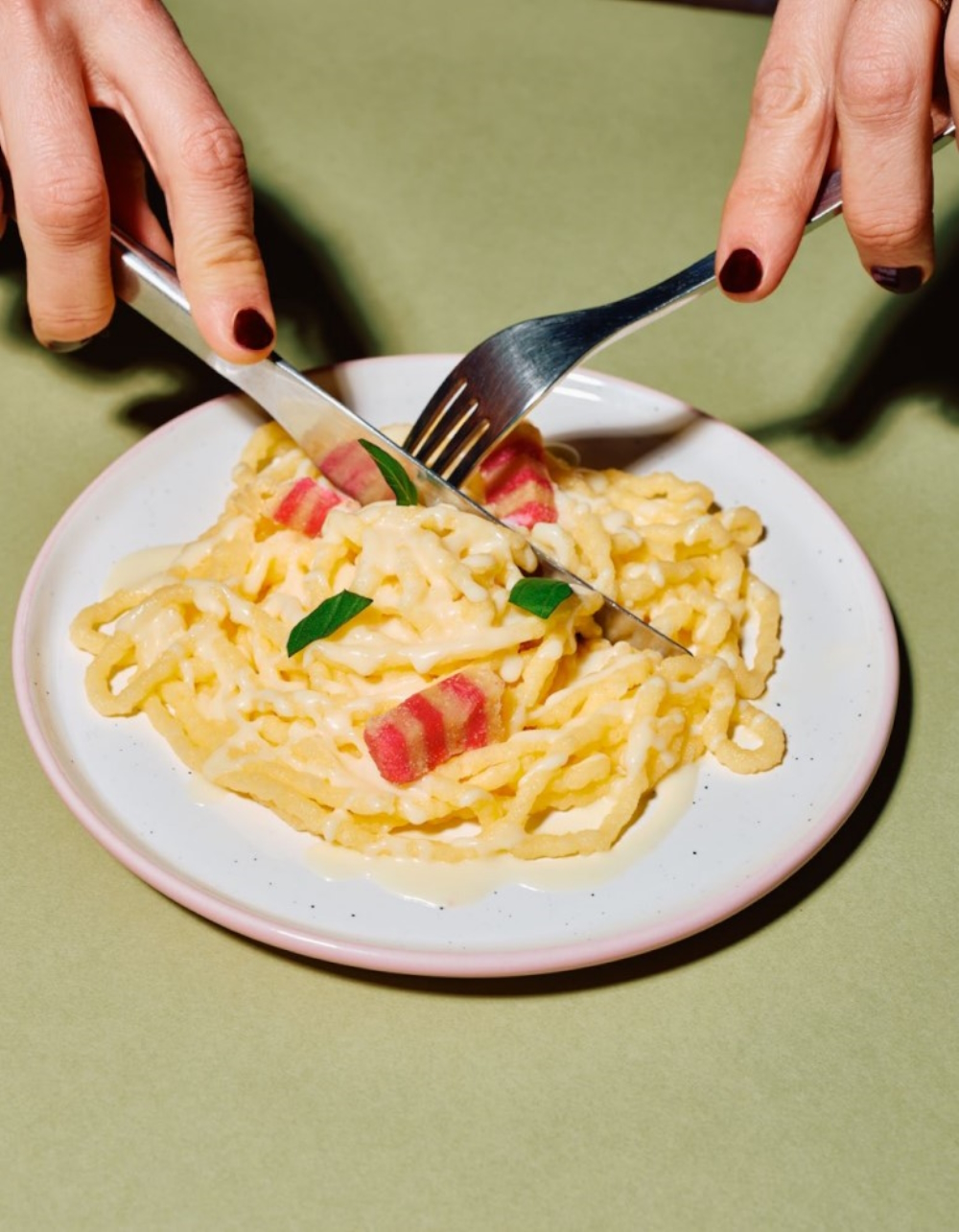
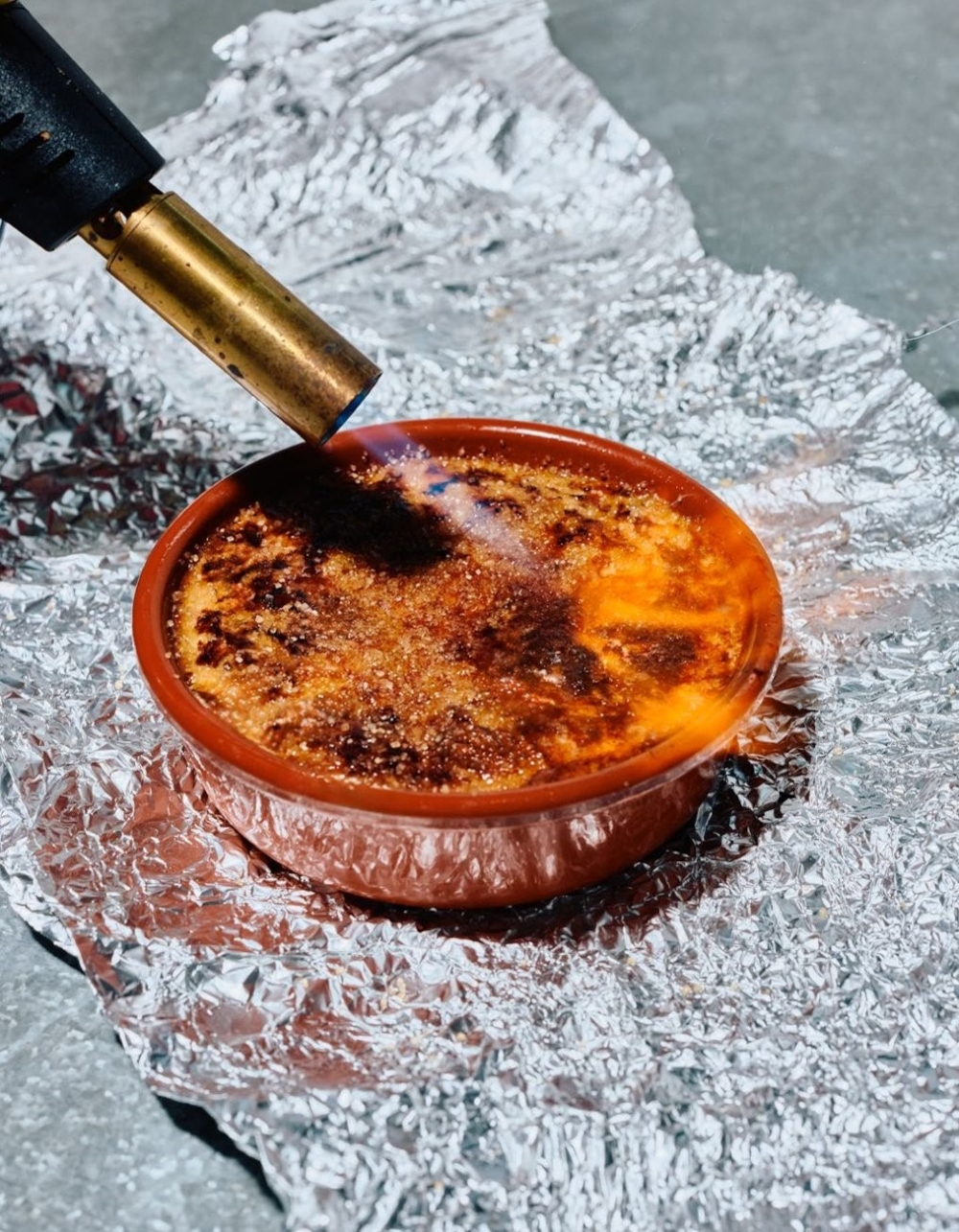
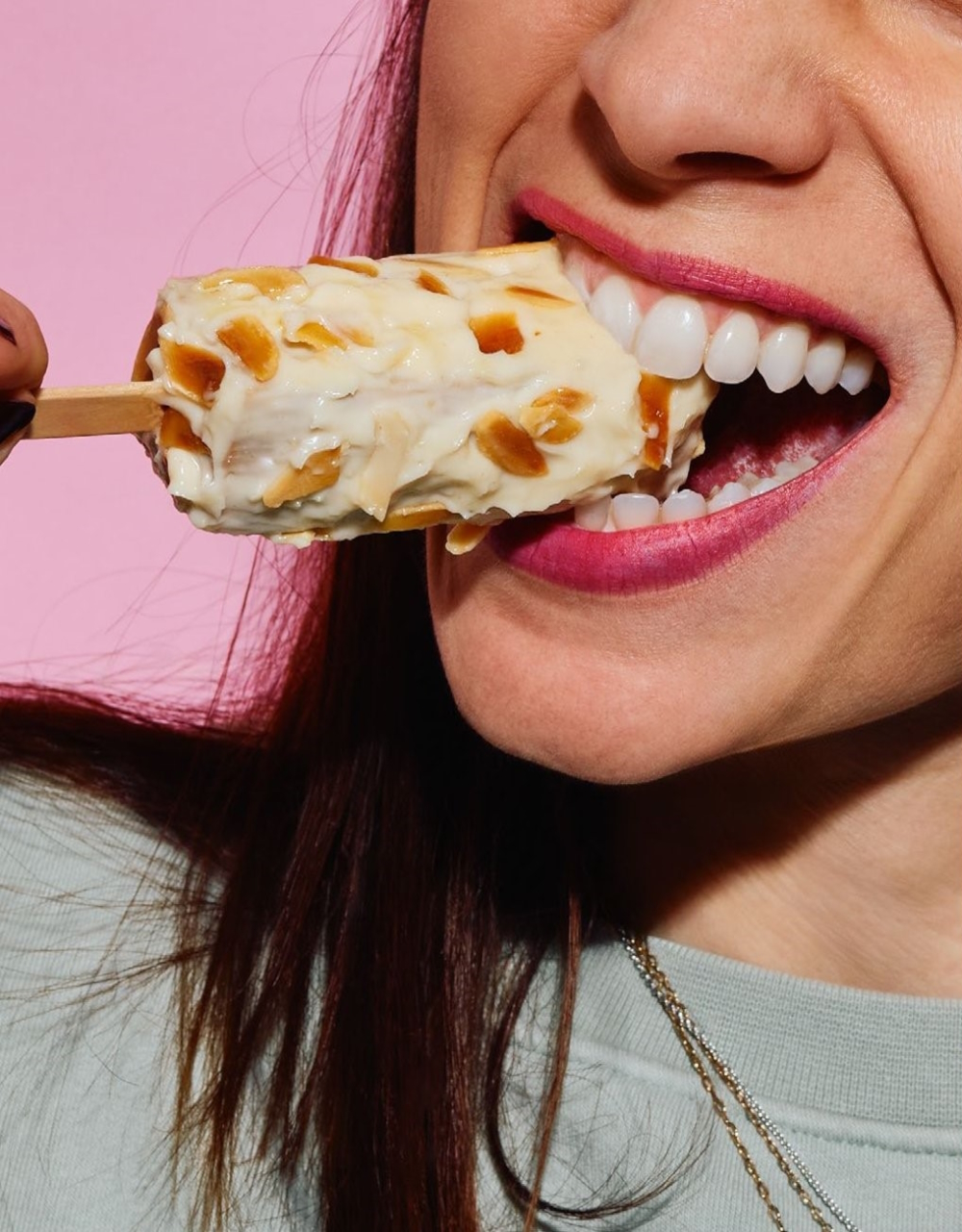
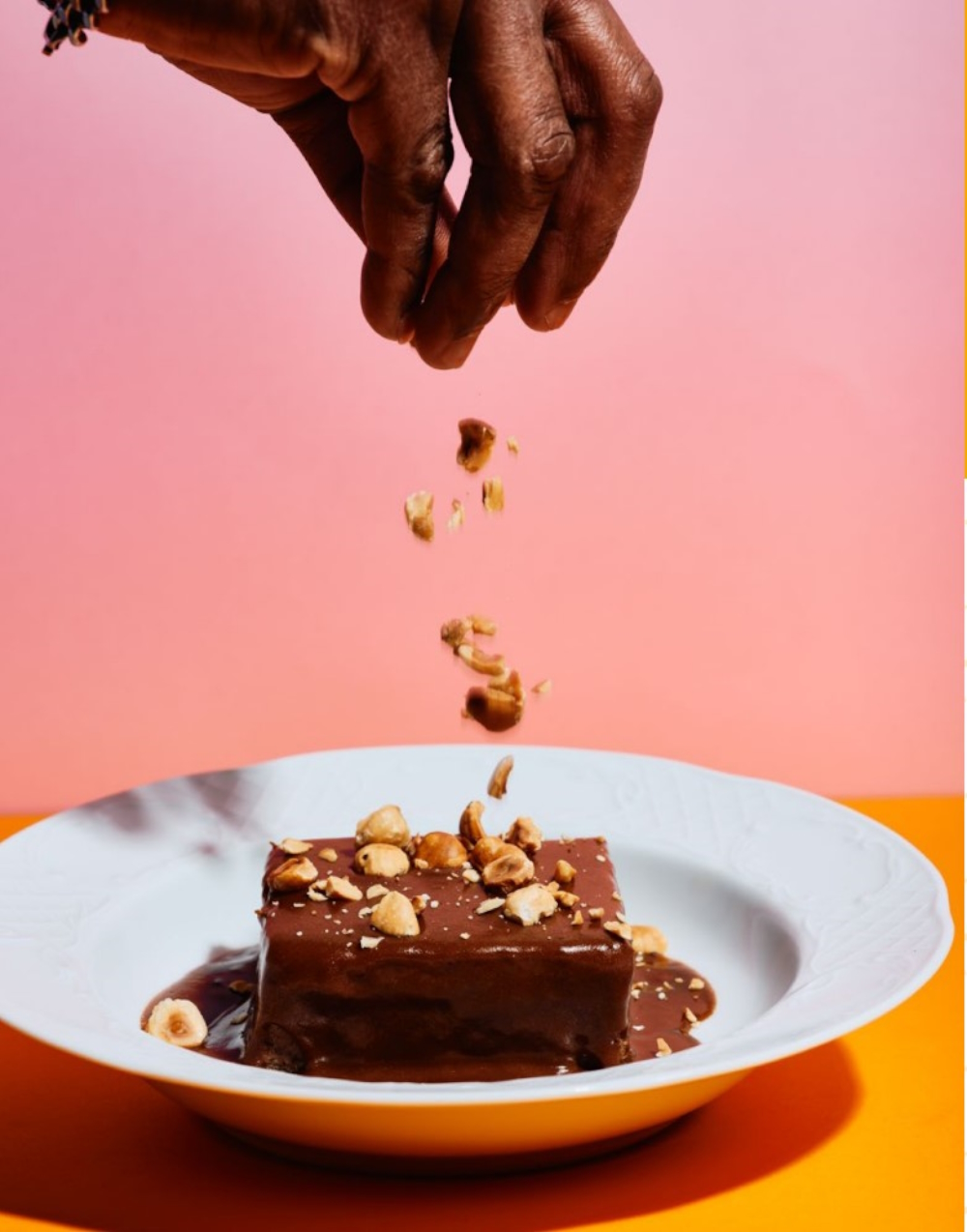
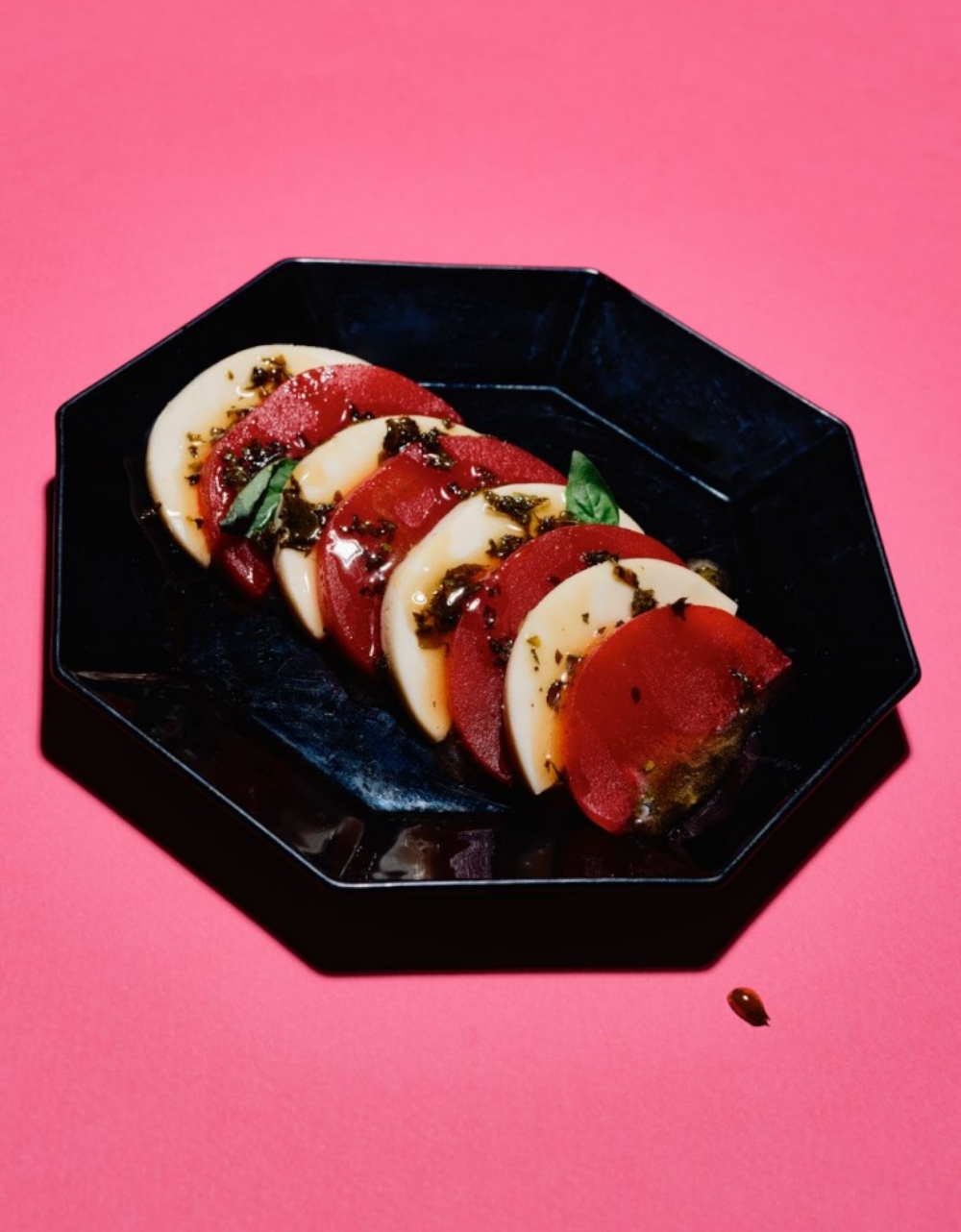
„The world’s only trompe-l’œil restaurant!“ The menu of this Parisian reverse eatery plays on optical illusions and its guests‘ expectations. The cleaning sponge on one‘s plate looks disturbing real and so does the accompanying bottle of dishwashing cleaner. But once you‘ve overcome your prejudices and give the two a try, they turn out to be a delicious almond and pistachio cake plus an adequate yummy orange and passion fruit sauce. These are just two out of 400 culinary deceptions for the eyes and palate. They are exactly to the taste of this unique venue’s founder. But given her background in a completely different profession she could have taken an easier route!
Sephora Nahon
concept restaurant developer & founder
France
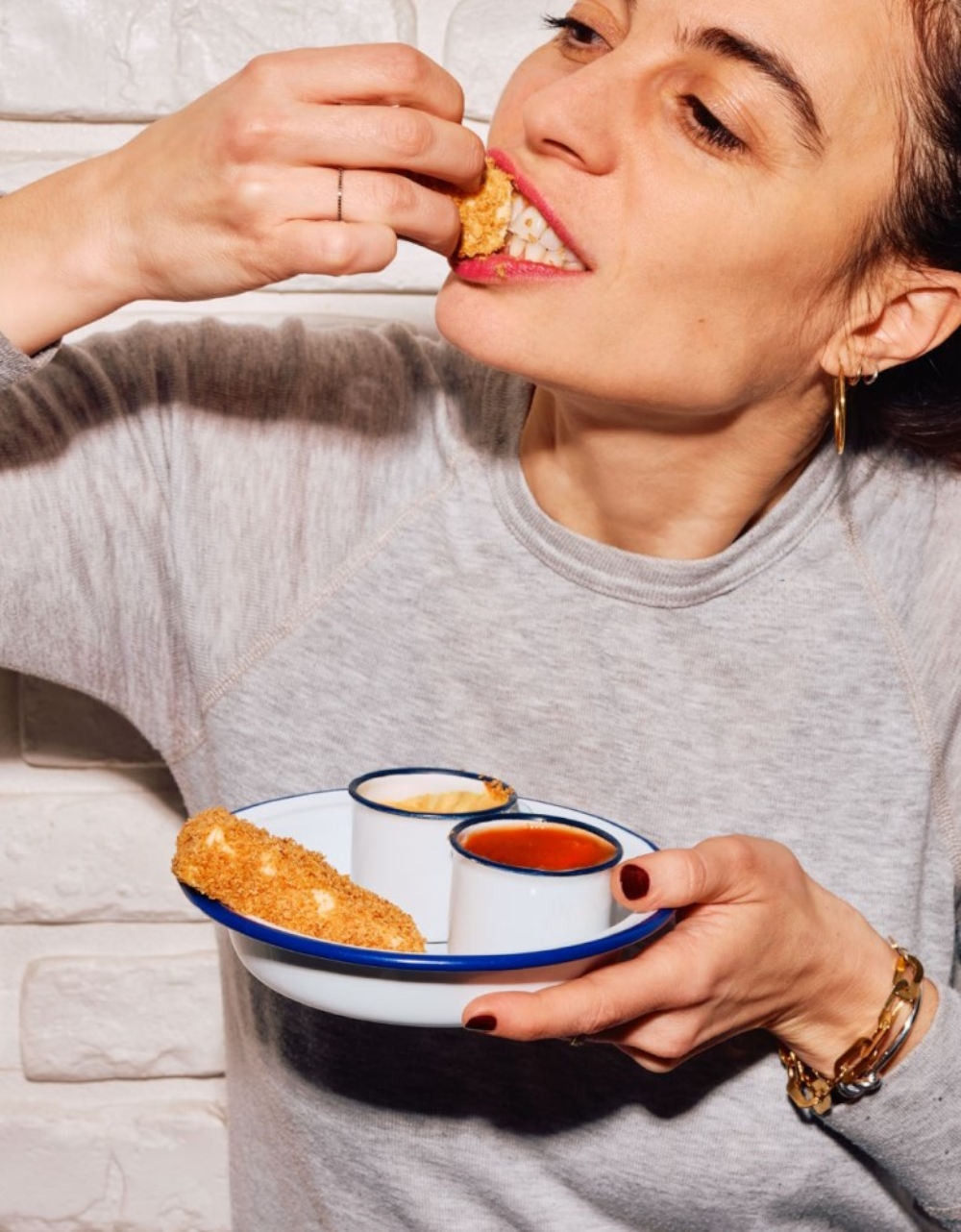
„The journey is the destination.“ This famous quote by Chinese philosopher Konfuzius sums up somehow the career of Sephora Nahon (* January 7, 1985 in Paris). Although the saying implies that the process, the learning and the experiences along the way are more important than reaching the final goal, the individual steps leading up to the current status quo were useful pieces of the puzzle for her.
From 2003 to 2009 Mademoiselle Nahon went to EM Lyon Business School (styled emlyon) and gratuated with a Master of Science in Management. Troughout her studies she worked in Inventory Management (elaboration of the summer catalog) for Madrid‘s Musgo Clothing for six months. Having visited the East China Normal University in Shanghai during 2008/9 secured her an additional Master in Eastern Business and Economy, supplemented by practical work experience as a Purchasing Manager Assistant for Publicis Life Brands China. With such an impressive background she was hired in March 2009 for the job as European Business Developer in Paris and London at Nomao, a search engine ranking results by location and popularity. The shooting star could have played it safe, but quit in March 2012, because she had different plans for her future – in the gastronomy.
In order to acquire the technical skills under the guidance of renowned chefs Sephora Nohan enrolled at École Supérieure de Cuisine Française in central Paris. ESCF, the Higher School of French Cuisine at Ferrandi specializes in training students for work in hospitality management and French cuisine. In addition a business plan was developed and funding seeked. BNP Paribas, the French multi-national universal bank and financial service holding company, was willing to support the founder. PIE (Programmes Internationaux d’Echanges) provided an interest-free loan and a bank guarantee.
On September 17, 2013 Sephora Nahon opened Privé de Dessert in Paris‘ 9th district. „Initially it set out to offer warm, friendly bistro-style cuisine“, is to be read on pariszzigzag.fr. „But very quickly, its founders realised that a strong concept was needed to stand out“ from over 40,000 restaurants, traditional bistros, cafes and fine dining establishments in the French capital. „That’s when Sephora Nahon came up with the idea of trompe-l’œil, completely turning the menu on her head with dishes disguised as desserts and desserts disguised as dishes. A bold choice, which might have remained a mere gimmick… had the cuisine not been up to scratch.“ Lesconfettis.com knows the details: „The sweet-and-savoury combination is ever-present: in the conception of the dishes, in their names, but above all in their presentation. The business woman has, in fact, developed some truly innovative creations.
In 2015 Privé de Dessert was joined by Sophie Journo, who Sephora Nahon had met at EM Lyon. The new arrival added further experience in the culinary business. Sophie Journo „first joined the Alain Ducasse group, where she played a key role in the creation and subsequent launch of the École de Cuisine, and later oversaw France’s largest amateur cooking competition“ (pie.paris). Since back then the cozy mothership of this exclusive culinary illusion (with the eye-catching sign to the right of the entrance that reads: "Life is too short, eat dessert first!") is fully booked always.
For the restaurant’s tenth anniversary the 100-pages book Privé de Dessert! (Tana editions) was published. „You’ll discover that pastries can take centre stage throughout a meal, from starter to dessert!“, praises Amazon this release. „In the first section, you’ll find all the basic techniques and step-by-step instructions to help you recreate every dish in this book! In the second section, you can finally let your creativity run wild and discover 40 delicious recipes to try.“ In 2026 a follow-up called Cuisine Trompe-L'œil (Editions marie claire) by Journo/Nahon was released in France.
Sephora Nahon is married and a mother of three. She works and lives in Paris.
Interview May 2026
The complete illusion: playing with one’s senses – from the visual to the taste!
INTUITION/IMAGINATION
?: How does intuition present itself to you – in form of a suspicious impression, a spontaneous visualisation or whatever - maybe in dreams?
I would say it's more of a really precise and concrete visualisation. Like when I had the idea of creating my own restaurant: I had this feeling that I had to come up with a very new concept that never existed before. And that's how I thought about trompe-l’œil, because it didn't exist at that time in food; it was mainly in art. So this intuition was really strong. I knew I had to have something really special. I had to make a difference if I wanted to succeed in the Parisian restaurant scene, which is really competitive.
?: Will any ideas be written down immediately and archived?
Yes, these kind of ideas are immediately written down, but they're not archived. Because as soon as I have an idea I feel the urge to implement it at once. The same applied to the restaurant. It took just one year from the initial idea to the opening. That is really a quick shot in terms of time.
?: Do you feel that new creative ideas come as a whole or do you get like a little seed of inspiration that evolves into something else and has to be realized by endless trials and errors in form of constant developments until the final result?
I feel that new creative ideas come as a whole. It's not a seed of inspiration. It's the whole idea. It can evolve a bit, but generally speaking, I always follow this intuition all the way up until the end.
?: What if there is a deadline, but no intuition? Does the first fuel the latter maybe?
If there's a deadline and no intuition, I would say you need to work, work, work and work. That's it.
INSPIRATION
?: What inspires you and how do you stimulate this special form of imaginativeness?
What inspires me, is what I see around me; going to restaurants or reading food magazines and cookbooks, talking to people in the restaurant industry, just being curious about food and about the trends basically.
?: How do you filter between ideas that are worthwhile pursuing and bad ones that you just let go of?
It's really simple, because when we have a new dish on the menu, it needs to look really realistic and at the same time it needs to taste really good. So the only way to separate a good from a bad idea is what we do with my team in the kitchen and the waiters' team: we carry out different trial runs. Sometimes we have a dish which tastes really good, but the look is not satisfying enough - it doesn't look like a dessert or it's not sufficient to us in another way. It can happen that a dish looks really spectacular, but the taste might not be that good. In that case, we won't select it obviously.
?: Does an idea need to appeal to you primarily or is its commercial potential an essential factor?
Personal appeal or commercial potential? Basically both are really important for taking something into account.
?: Do you revisit old ideas or check what colleagues or competitors are up to at times?
Yes. For example, we have the Saint-Honoré burger. It's a burger looking like a Saint-Honoré cake. It's on the menu since the opening of the restaurant. This dish is the only one which has been on the menu since the beginning, but we evolve the recipes often.
We do check what colleagues do, even we don't have competitors. We're still the only trompe-l’œil restaurant in the world.
CREATIVITY
?: What time or environment best suits your creative work process — for example, a time and place of tranquility or of pressure?
The time that best suits me is any time I would say. With the restaurant and my three kids I don't have any real place of tranquility. My creative process is part of my daily life, of my daily routine. It can occur to me at any time of the day.
?: What’s better in the realization process — for example, speed and forcing creativity by grasping the magic of the moment or a slow, ripening process for implementation and elaboration?
I don't think you need to speed. You just need to take your time to make everything you know up until it's perfect.
?: How important are self-doubt and criticism by others during such a process?
Of course self-doubt and criticism by others are really important.
?: Is it better to be creative on your own, to trust only your own instincts, or to work in a team?
My answer to this question follows on from my previous one. That's why we always work as a team. I don't work on myself alone. I would just conclude saying that it's good that everybody can work on its own, but then nothing can compete with harmonious teamwork. Working as a team is the most important thing.
?: Should a creative person always stay true to him- or herself, including taking risks and going against the flow, or must the person, for reasons of commercial survival, make concessions to the demands of the market, the wishes of clients and the audience’s expectations?
Of course you need to take risks. I took a big risk too opening this restaurant. Many people didn't believe in it at the beginning, because back then something like that didn't exist at all. And the truth is, today trompe-l’œil-styled dishes are very, very popular.
Opening this restaurant just proved that we were right to follow our intuition. And by doing so we established a distinctive style.
?: How are innovation and improvement possible if you’ve established a distinctive style?
Innovation and improvements are always possible.
?: Is it good to be ahead of your time, even if you hazard not being understood?
So, yes, it's good, I think, to be ahead of your time.
?: When does the time come to end the creative process, to be content and set the final result free? Or is it always a work-in-progress, with an endless possibility of improvement?
At some point you have the recipe, you have the visual. You just need to stop and maybe improve the recipe or the visual a bit later. But at some point you just need to fix things and not overthink them.
?: How does artificial intelligence change human creativity? Do you use AI, or would you use it at all?
We don't work with the AI for the moment. And I don't think it will changes your human creativity. It's just another way of designing things. As I've said: At the moment, we don't use AI, but maybe someday.
SUCCESS
“Success is the ability to go from one failure to another with no loss of enthusiasm.” Do you agree with Winston Churchill‘s quote?
Of course I agree with Churchill's quote. In our case we were fortunate that we didn't have to experiment. From the first day we opened, the restaurant worked straight away.
?: Should or can you resist the temptation to recycle a ‘formula’ you're successful with?
Why should you? I mean, if it's working, why should you change a formula you're successful with?
?: Is it desirable to create an ultimate or timeless work?
Yes, it's a good thing to have the will to create a timeless work.
?: Doesn’t “top of the ladder” bring up the question, “What’s next?” — that is, isn’t such a personal peak “the end”?
So, what's next? For me, it's more about changing my perspectives and doing something totally different rather than staying in the same industry.
MY FAVOURITE WORK:
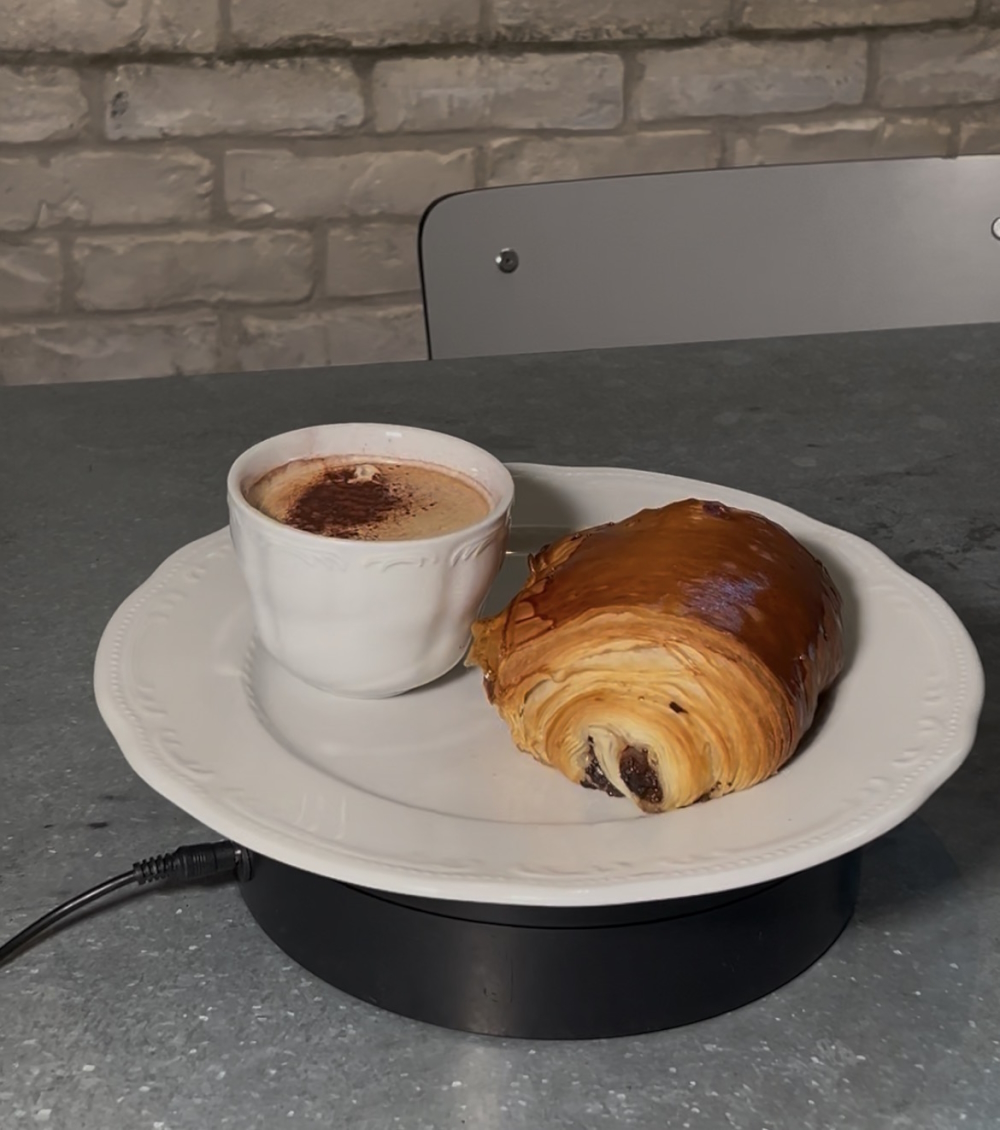
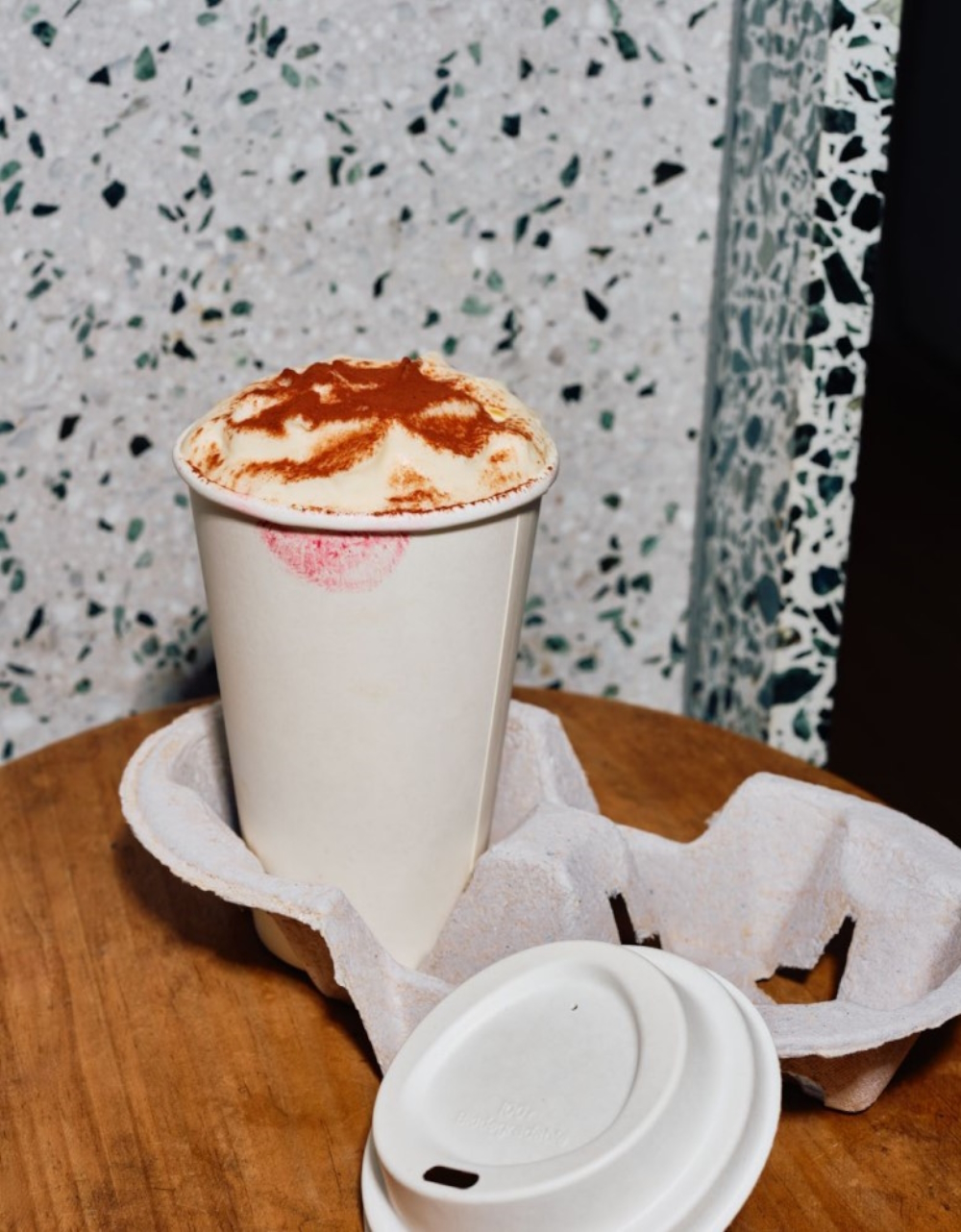
The breakfast is the creation I prefer at the moment. It's made of a Pensacola and a cappuccino. But in reality the Pensacola is a brioche with veal, and the cappuccino is a mushroom with a cream. To me it really is epitomised like the French breakfast, but in a savoury way. And this dish is really popular, because it's really impressive the way it looks like. It's sweet while it's savoury and it's really good, which is very important as well.