Smiljan Radić Clarke
architect
Chile
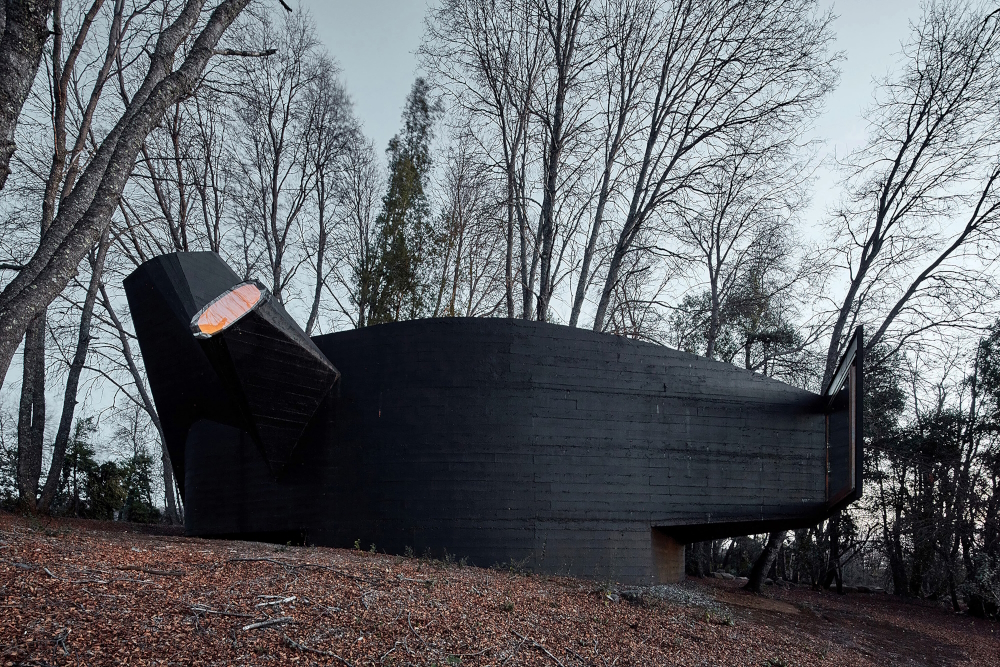
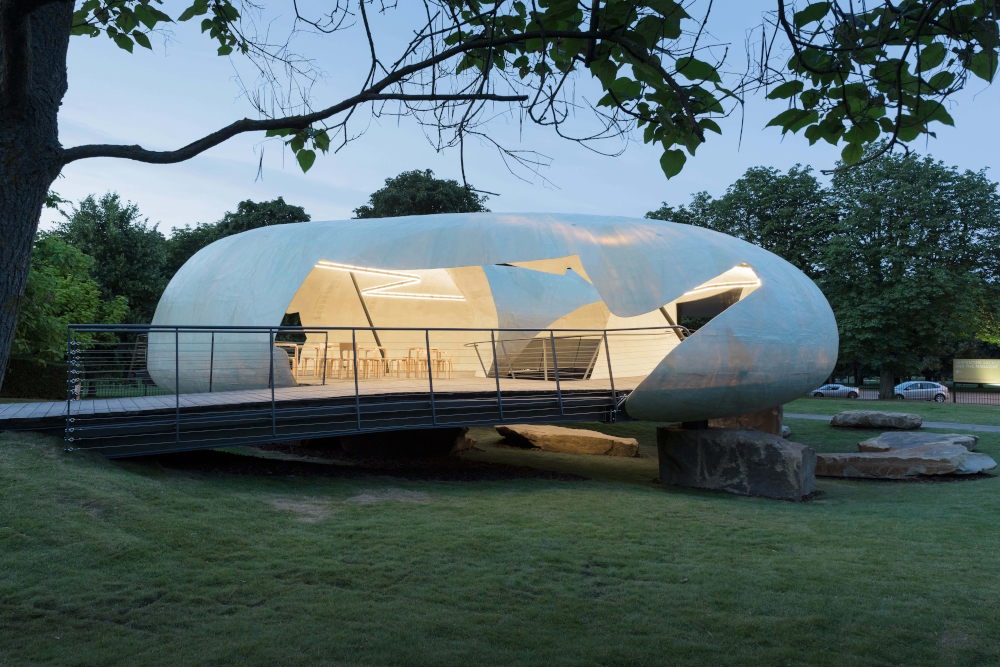
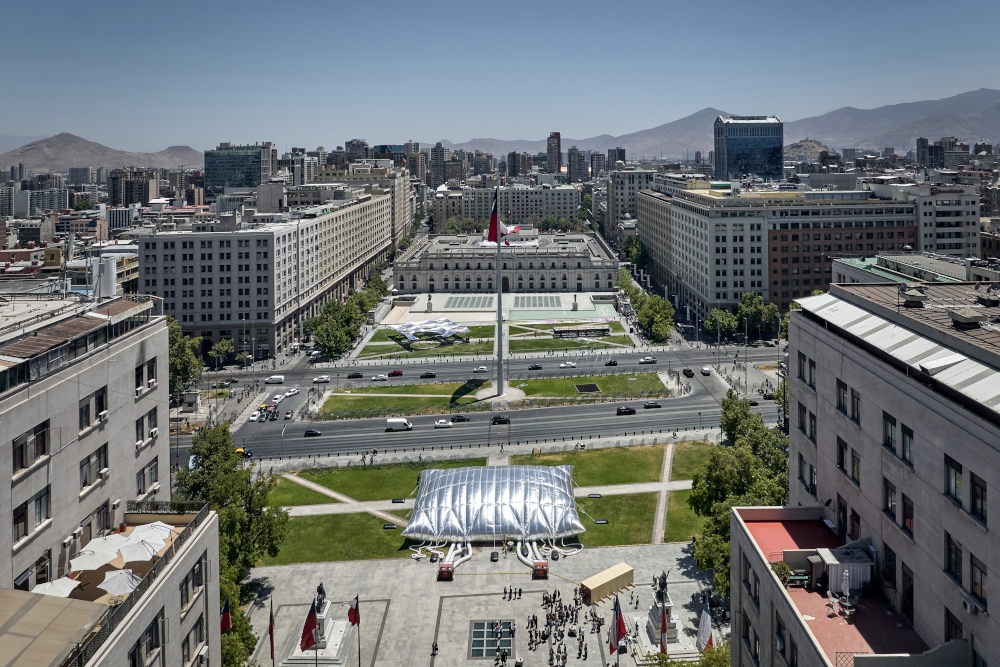
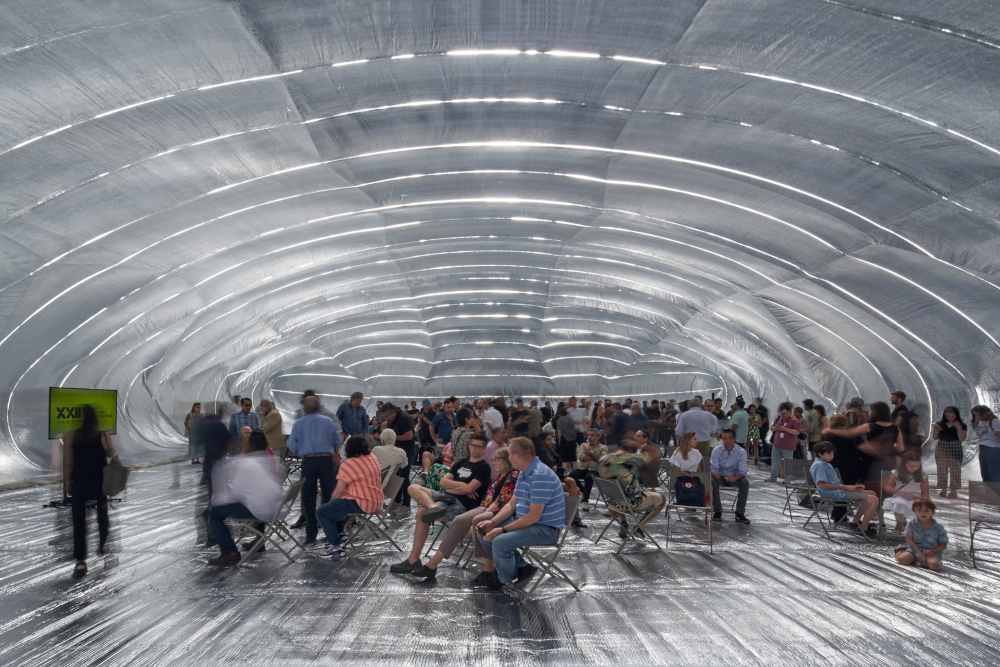
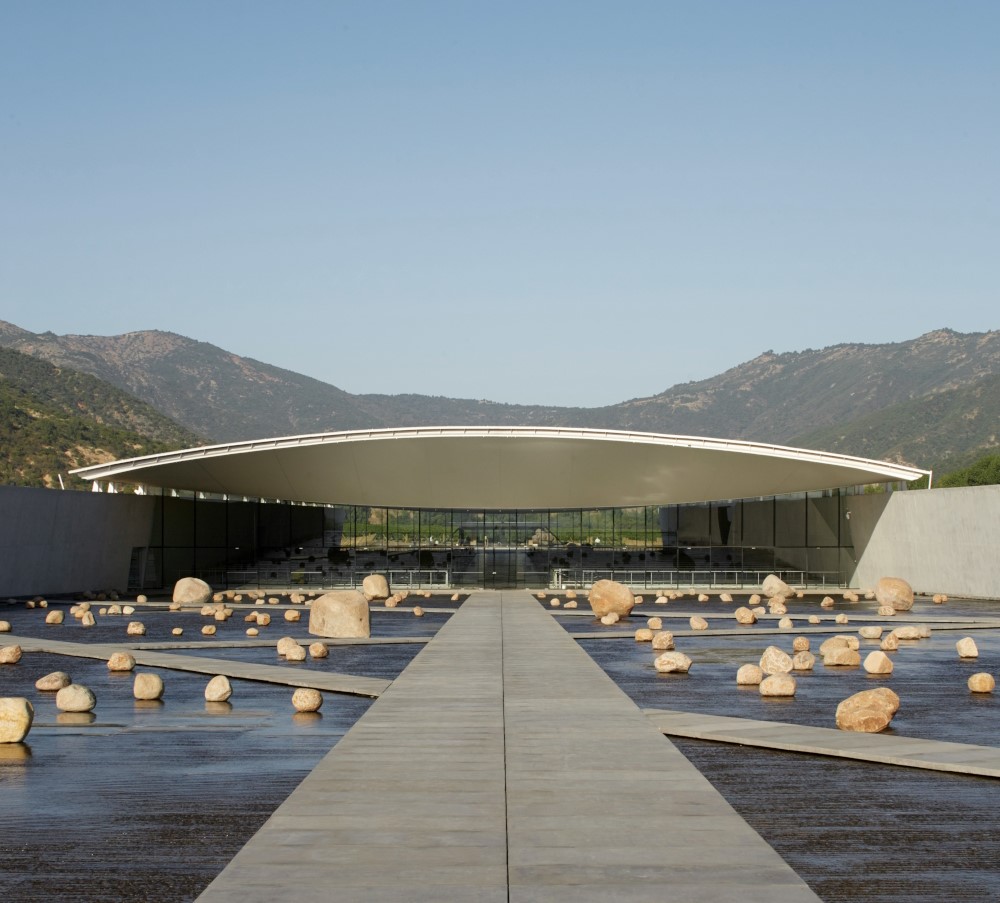
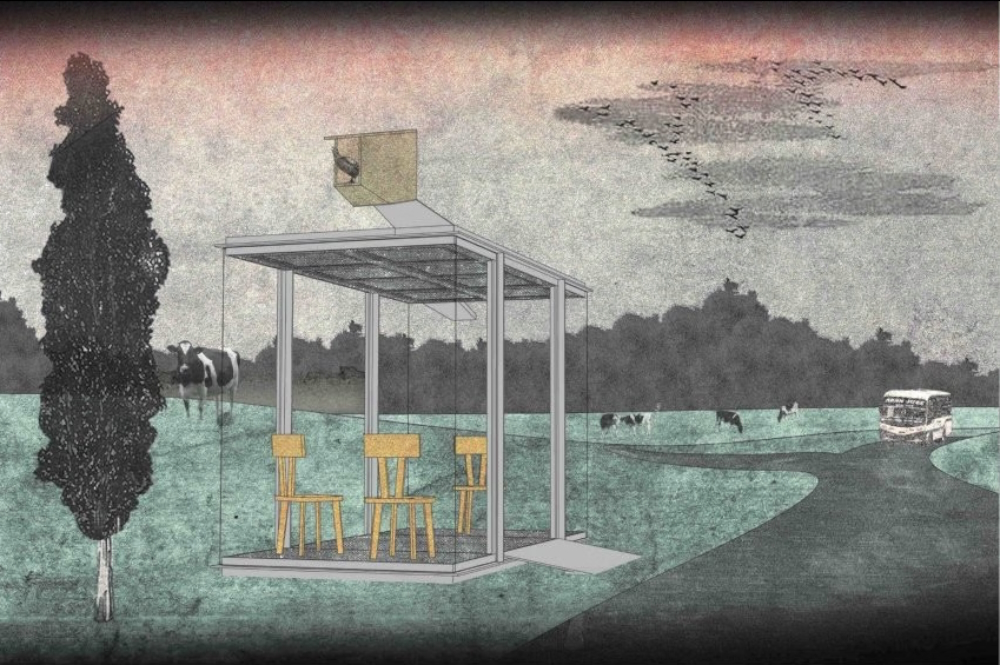
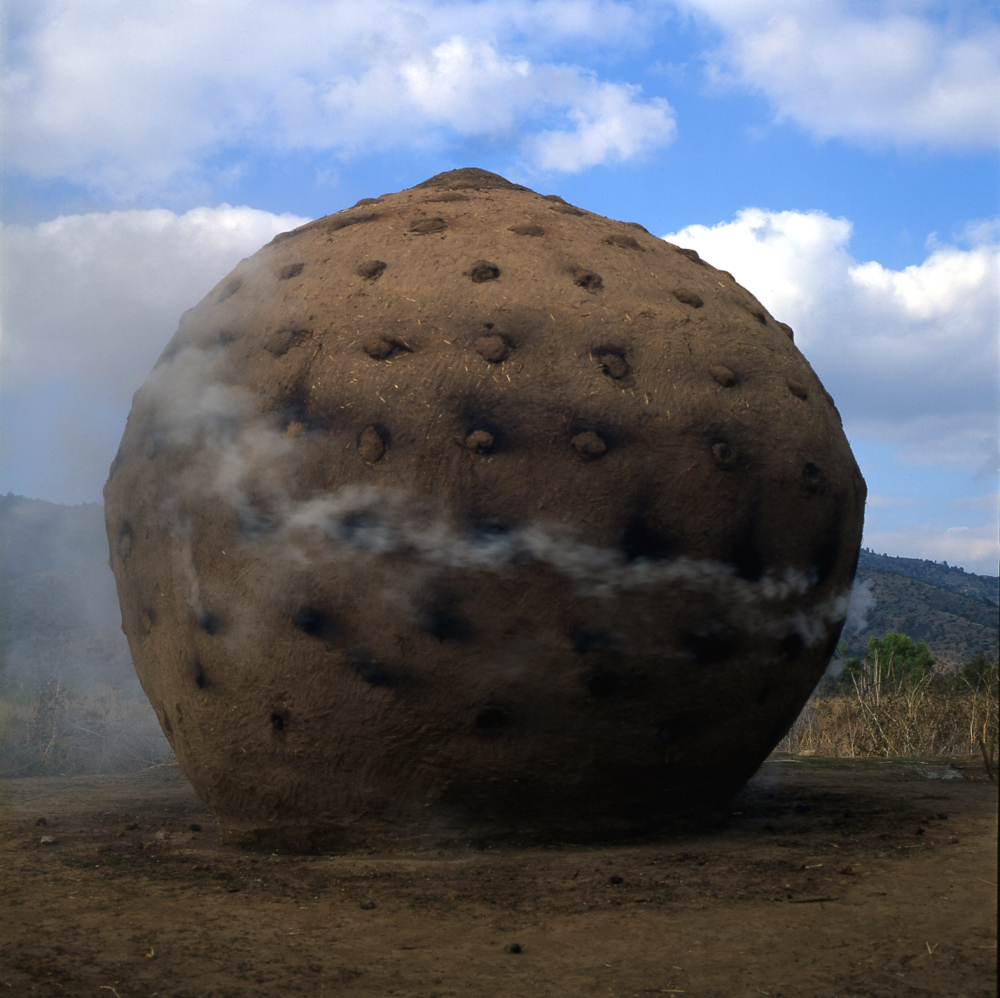
„The Pritzker Prize laureate 2026“! The jury citation states, in part, “Through a body of work positioned at the crossroads of uncertainty, material experimentation, and cultural memory, he favours fragility over any unwarranted claim to certainty. His buildings appear temporary, unstable, or deliberately unfinished—almost on the point of disappearance—yet they provide a structured, optimistic and quietly joyful shelter, embracing vulnerability as an intrinsic condition of lived experience.” Receiving architecture’s highest honour greatly suprised the Chilean creative. His austere, enigmatic portfolio includes public buildings (f.e. theatre, performance arts center, a bus stop, winery, restaurant), private residences, installations (the silvern luminous pneumatic form that occupied the exhibition space for the XXII Chilean Architecture Biennial), and temporary structures like the 2014 Serpentine Pavilion in London’s Hyde Park. It was his first European commission and is highly regarded. Talking to The New York Times „one of the most singular visionaries in contemporary architecture“ (archdaily.net) confesses that there was a time for him, when „architecture seemed rather boring to me.“
Smiljan Radić Clarke
architect
Chile
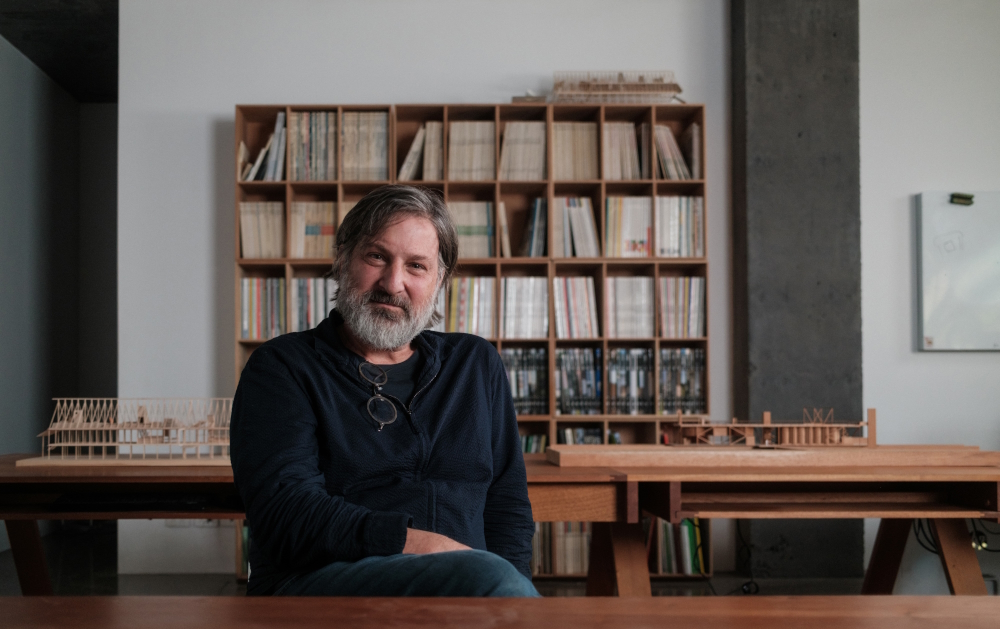
This destructive remark comes as a surprise from a man for whom his work in exactly that genre has for long become „an obsession“ (dezeen.com). However, the statement of Smiljan Radić Clarke (* June 21, 1965 in Santiago de Chile) makes sense once you know the circumstances it refers to. Looking back at studying architecture at the Pontificial Universidad Catolica de Chile he reveals: „I had learned almost nothing about history and aesthetics in Chile during the dictatorship.“
However, his passion for the topic was soon rekindled for him who had enjoyed drawing as a child and, at the age of 14, had even been allowed to produce his first architectural sketch at school. After completing his degree in 1989 on the second attempt the son of an immigrant family – his father’s parents were from Brač/Croatia, and his mother’s from the United Kingdom – was off to Italy on a scholarship. At the Istituto Universitario di Architettura di Venezia he studied history and aesthetics. That was an essential turning point for him, because there his real interest in architecture began. It was at this time in the 1990s that he travelled to Portugal to experience firsthand the work of architect and architectual educator Álvaro Siza Vieira. The Pritzker Price laureat of 1992 „is celebrated for his ‚poetic modernism‘ and mastery of light and form. He is famous for creating minimalist, white-concrete structures that integrate seamlessly into their natural surroundings and local context, often utilizing stone and wood for a human, understated feel“ (britannica.com). Of further interest for the mid-twen Chilean were the buildings of Francesco di Giorgio (1439-1501). The Italian architect, engineer, painter, sculptor, and writer was considered a visionary architectural theorist.
The oeuvre of contemporary and historical colleagues interests Smiljan Radić Clarke, but his main focus is on the built environment scattered throughout his country of birth. These self-assembled, fragile constructions are made from materials found in their immediate surroundings and carry an unique view that this pro has absorbed in his own creations.
„In Chile you’ll always have the opportunity to do something handmade“, Mr. Clarke told archinect.com. „There it’s better to do it really brut rather than try to do it perfectly.“ Europe has structural and safety architectual requirements that Chile doesn’t. These specifications translate into different expectations and perceptions of designs. Keeping all that in mind clarifies the reason his „geography of extremes, shaped by the tectonic tension between the staggering weight of the Andes and the seismic instability of the territory“ (archdaily.net) are often a bit outside the norm. No wonder that archinect.com calls Smiljan Radić Clarke „a rock star among architects“!
In 1995 the Latin American who tends to operate intuitively and on-site, founded his studio in Santiago de Chile. Despite having neither a website nor being active on social media, he made it simply because of his condensed output. „Clarke's work frequently combines materials such as concrete, stone, timber, glass, and fiberglass. His projects often emphasize relationships between buildings and their surrounding landscapes and environmental conditions“, speficies archdaily,com. „His designs have been associated with experimentation in construction methods, material expression, and small-scale architectural interventions.“
SRC‘s lot has been recognized with numerous international awards like the Arnold W. Brunner Memorial Prize from the American Academy of Arts and Letters; it has been featured in major exhibitions internationally, including Austria, Japan and the US.
In 2017 the Honorary Member of the American Institute of Architects as well as Honorary Fellow of the Croatian Academy of Sciences and Arts founded the Fundación de Arquitectura Frágil which organizes exhibitions and research activities related to experimental architecture.
Being influenced by radical architecture himself and a strong link to the buildings in his country of origin the self-effacing man’s method „is defined by unique, singual approaches to each project rather than adopting a repeatable architectural language“ (archinect.com). „I’ve spent the last 30 years working out of a small office, pushing to do the best possible within whatever conditions were on the table“, dezeen.com quoted him in March 2026.
Smiljan Radić Clarke is married to sculptor Marcela Correa, he often cooperates with as a design partner and consults her regularly. They live high above Santiago de Chile. His home studio is located there too where he works with the same four people since a long time.
Interview May 2026
The pursuit of architectural artistry: radical, reduced to its essence, austere, responsive to site, environment and need
INTUITION/IMAGINATION
?: How does intuition present itself to you – in form of a suspicious impression, a spontaneous visualisation or whatever - maybe in dreams?
The common belief around intuition is quite strange, almost as if it were something that falls from the sky. In reality, I think it is simply another form of knowledge that can be trained. The important thing is to remain attentive. In Chile there is a popular expression that describes this state very well: “estar al aguaite” — being constantly alert.
?: Will any ideas be written down immediately and archived?
Never. I don’t consider it necessary.
?: How do you come up with good or extraordinary ideas?
I don’t think I’ve had extraordinary ideas outside the conventional state of things. I enjoy when I can trace an idea back to previous projects; it gives me a certain historical certainty, the feeling that I’m not talking nonsense. Sometimes ideas simply arrive at the right moment and, because of their context, end up becoming something unusual or outside the norm.
?: Do you feel that new creative ideas come as a whole or do you get like a little seed of inspiration that evolves into something else and has to be realized by endless trials and errors in form of constant developments until the final result?
In the everyday practice of architecture — sitting behind a computer in a studio — the idea of research feels very distant, almost absent. I prefer the notion of experimentation, where error is always implicit and close at hand. That said, I don’t entirely believe those who claim they learn from their mistakes; perhaps within certain limits, but in architecture one learns far more from successes.
?: What if there is a deadline, but no intuition? Does the first fuel the latter maybe?
In the end, this is simply daily work: twelve hours a day in front of a computer.
INSPIRATION
?: What inspires you and how do you stimulate this special form of imaginativeness?
There are certain surroundings and prejudices that have accompanied me since very early on and make me observe reality through a very specific lens. Those surroundings are memories that, like any human being, one carries everywhere. There is a poem by Cavafy, The City, that speaks precisely about this.
?: How do you filter between ideas that are worthwhile pursuing and bad ones that you just let go of?
The work itself eliminates options, although many of them will probably return later, better suited to other projects. It is difficult to throw ideas away; there are never that many of them.
?: Does an idea need to appeal to you primarily or is its commercial potential an essential factor?
The commercial aspect is always one of the factors involved. The greater the risk, the greater the possibility of success or failure. One always wants clients to prosper and not go bankrupt. Their success is also our best letter of introduction.
?: Do you revisit old ideas or check what colleagues or competitors are up to at times?
I don’t worry too much about what is happening around me; I would go crazy because there is simply too much information. I prefer to follow the work of a few architect friends scattered around the world.
CREATIVITY
?: What time or environment best suits your creative work process — for example, a time and place of tranquility or of pressure?
I don’t really have a choice: I have to work everywhere. Lately I’ve been using flights to rest and try to sleep as much as possible. The situation is rather terrible, although fortunately I enjoy what I do.
?: What’s better in the realization process — for example, speed and forcing creativity by grasping the magic of the moment or a slow, ripening process for implementation and elaboration?
There are no predetermined timelines for every project. Each one has its own limitations, so it is impossible to establish a universal chronology. Every case is different.
?: How important are self-doubt and criticism by others during such a process?
Very little. A couple of opinions during the process are usually enough. When I work on individual projects, responsibility for decisions generally falls solely on me. Of course, in everyday work there are constant interactions with the team, but they are more related to refining a project than to finding a way out of an idea.
?: In case of a creative block or, worse, a real failure, how do you get out of such a hole?
I don’t know. I’m not someone who collapses over setbacks. Bad streaks do not interest me very much.
?: Should a creative person always stay true to him- or herself, including taking risks and going against the flow, or must the person, for reasons of commercial survival, make concessions to the demands of the market, the wishes of clients and the audience’s expectations?
The only thing I believe everyone should avoid — although it sounds a bit like a public sermon, which I dislike — is adopting an imposture: doing something that is not truly one’s own or that one does not genuinely believe in. On that personal level, the market has very little to do with it.
?: How are innovation and improvement possible if you’ve established a distinctive style? Is it good to be ahead of your time, even if you hazard not being understood?
At my age, experience helps experimentation. The more experience you have, the more risks you can take, and more quickly. All of this only works as long as you avoid repeating yourself too much. It is a difficult matter.
?: When does the time come to end the creative process, to be content and set the final result free?
You never really know; it depends on each particular case. Generally, it ends when the project has to be delivered to the client.
?: Or isn't it always a work-in-progress, with an endless possibility of improvement?
There is no such thing as absolute exhaustion; everything produces fatigue, and projects do as well.
?: How does artificial intelligence change human creativity? Do you use AI, or would you use it at all?
It is simply a tool. Right now I’m using it in a rather stupid way: to translate this interview from Chilean Spanish into English as quickly as possible.
SUCCESS
“Success is the ability to go from one failure to another with no loss of enthusiasm.” Do you agree with Winston Churchill‘s quote?
He was very certain about what he was doing. It is easy to speak humbly on a grand scale when you are already great.
?: Should or can you resist the temptation to recycle a ‘formula’ you're successful with?
I try to avoid recycling myself in project terms. At the same time, I do not dramatize if I reuse ideas, whether my own or someone else’s.
?: Is it desirable to create an ultimate or timeless work? Doesn’t “top of the ladder” bring up the question, “What’s next?” — that is, isn’t such a personal peak “the end”?
I do not fully understand the question. The latest building is always simply the latest one.
MY FAVOURITE WORK:
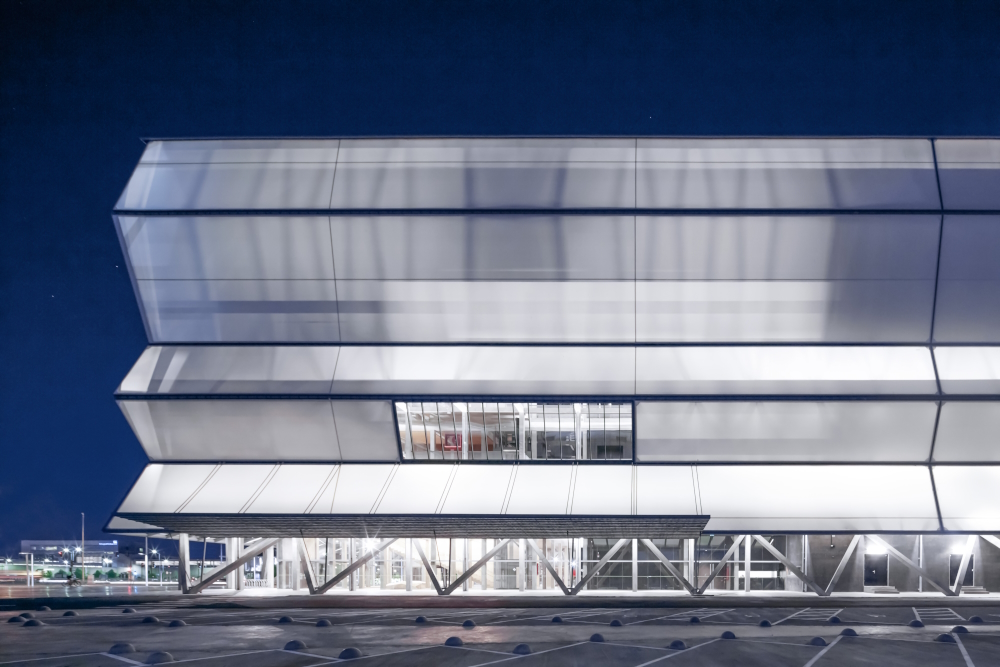
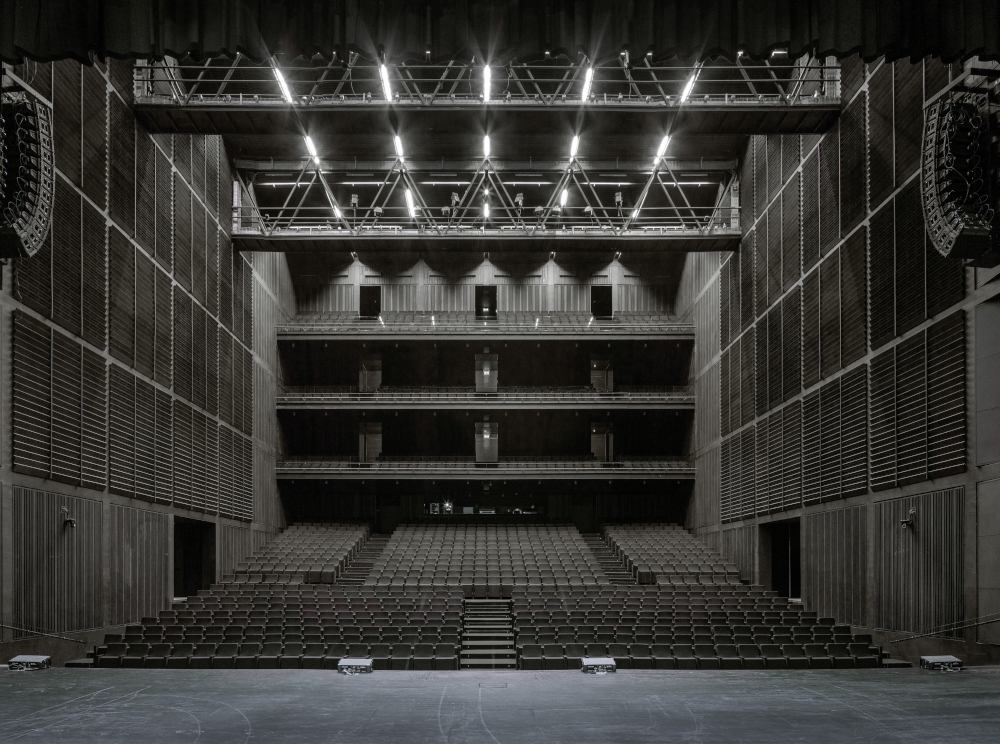
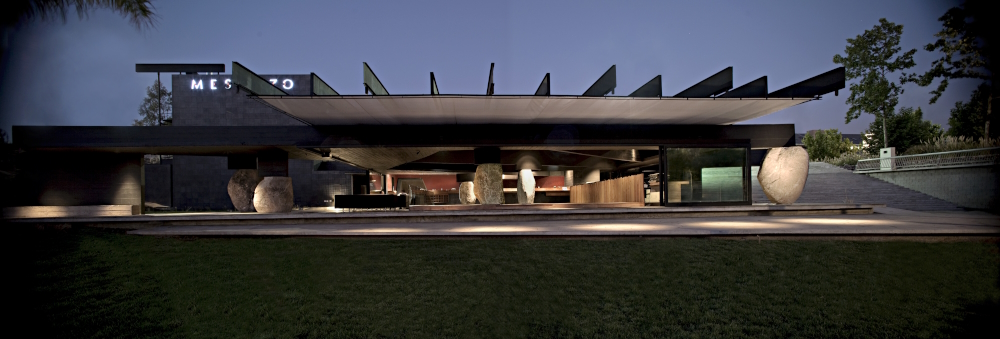
The works that interest me most are those that represent a kind of distracted architecture — projects that, at some point, drifted away from the normal course of things in the studio and proposed somewhat unconscious deviations. I believe many of those works eventually became the new natural course of things themselves: the House for the Poem of the Right Angle, the Mestizo restaurant in both its first and second versions, the Biobío Regional Theatre, the Serpentine Pavilion, among others.