Tane Tsuyoshi
architect
France
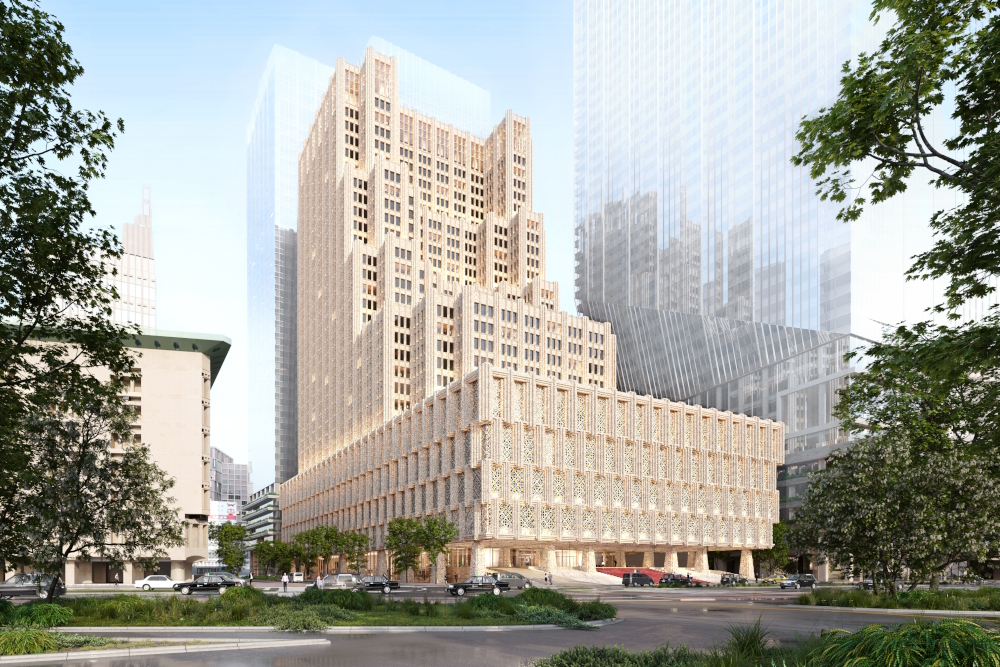
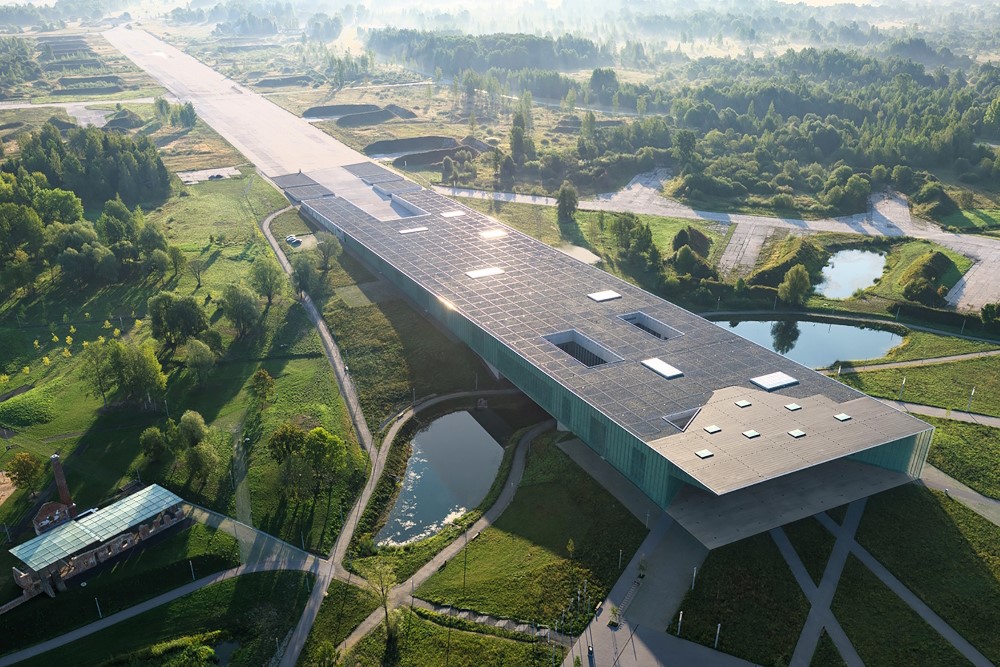
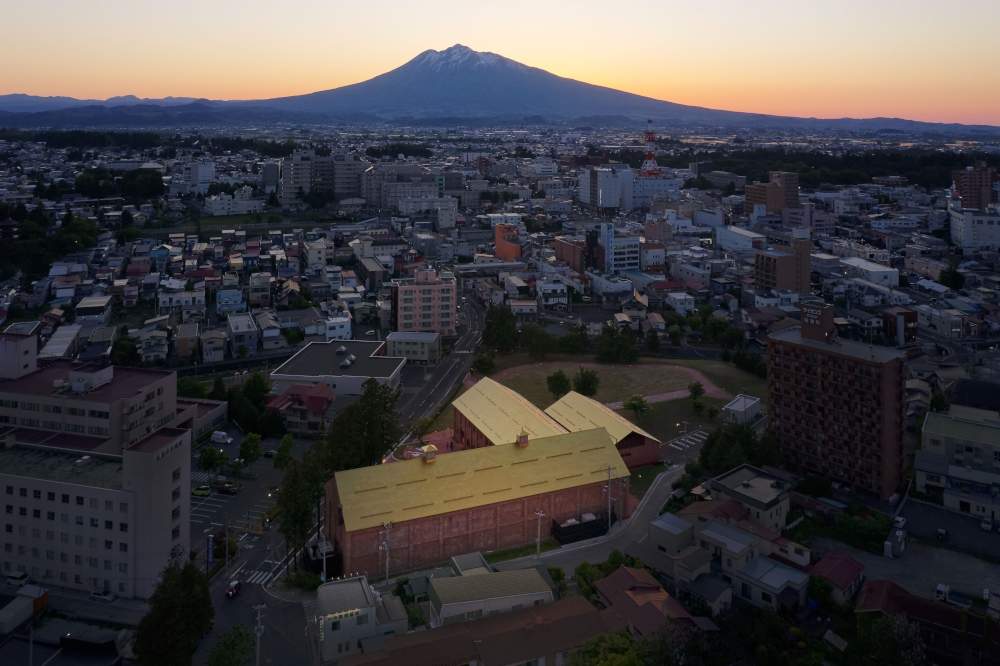
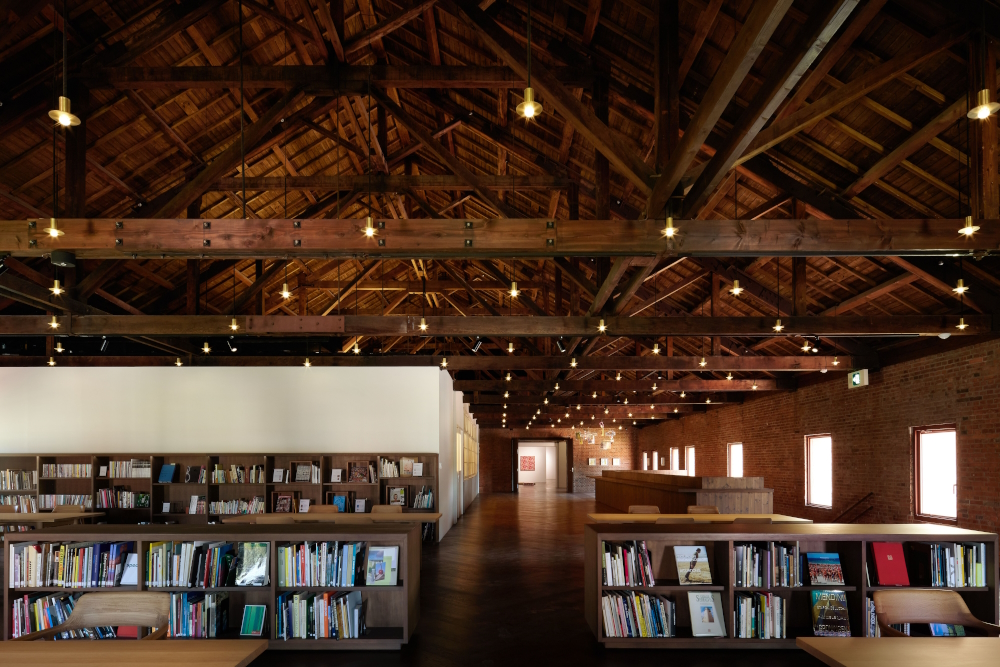
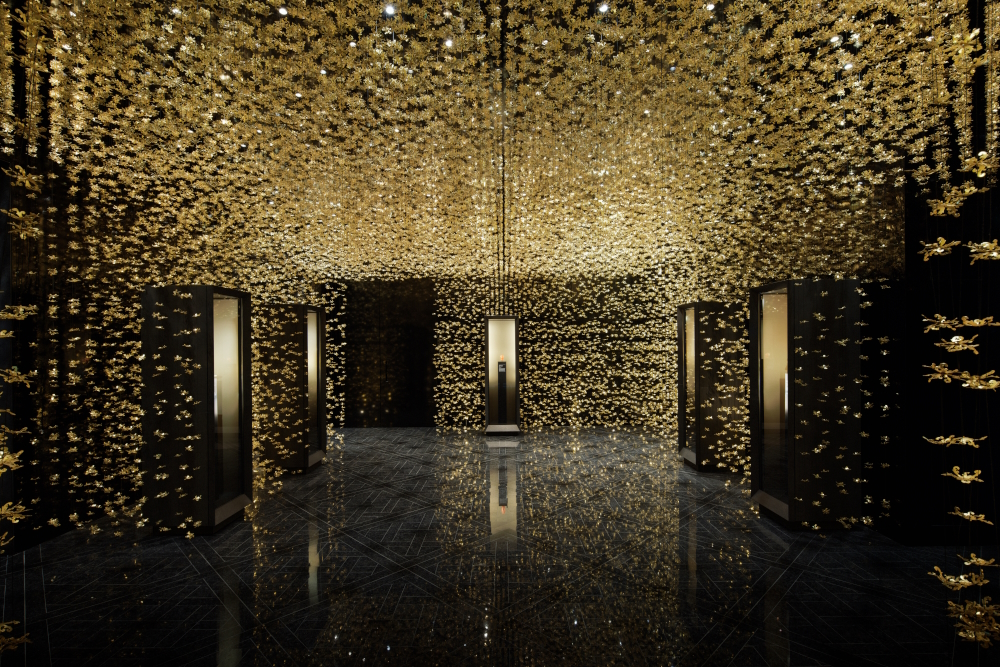
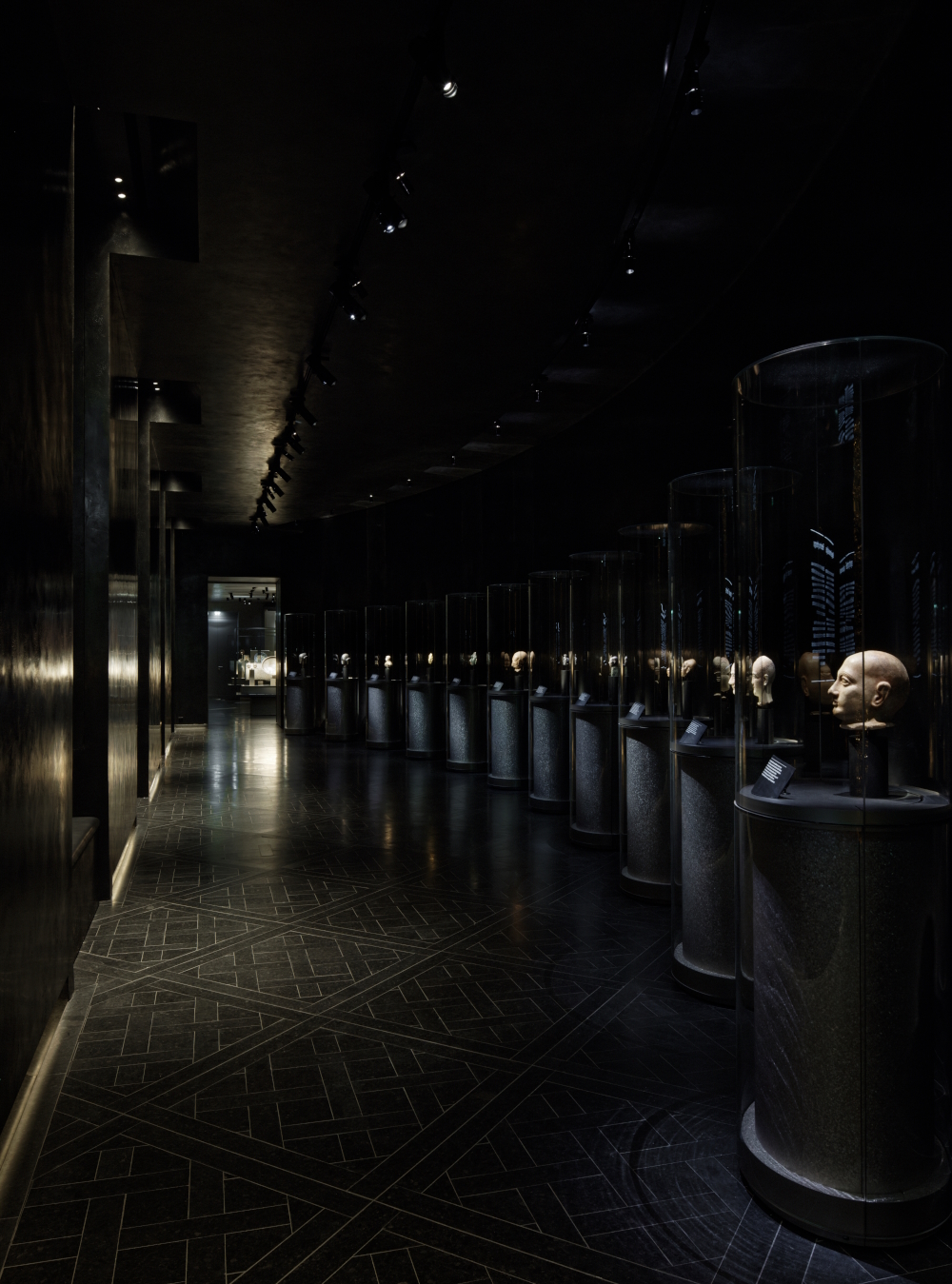
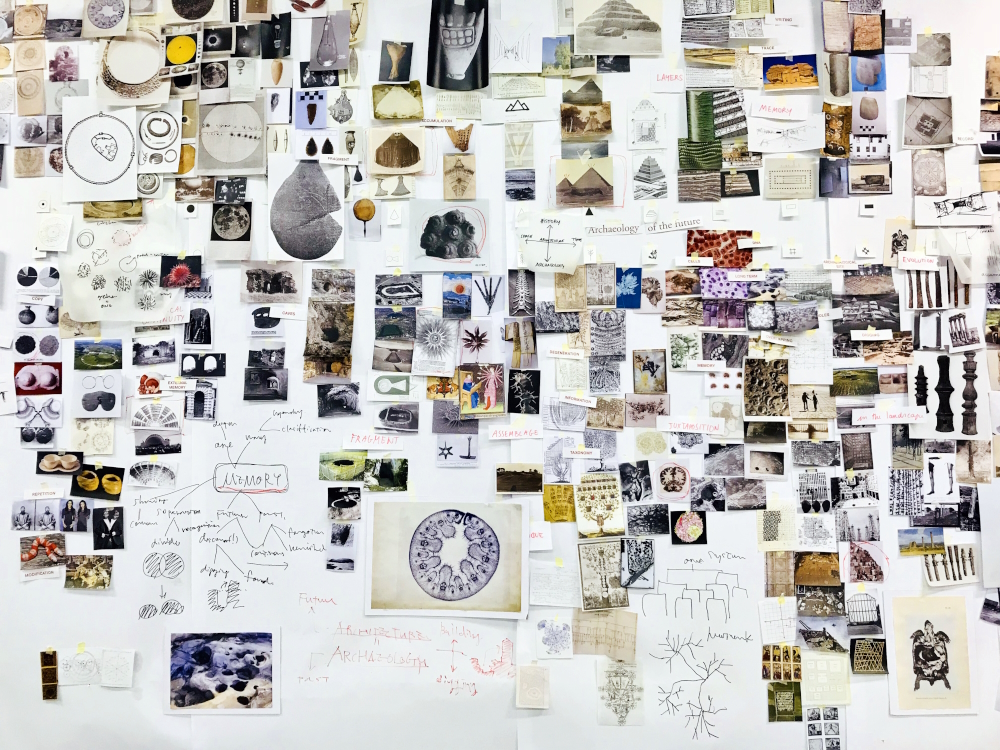
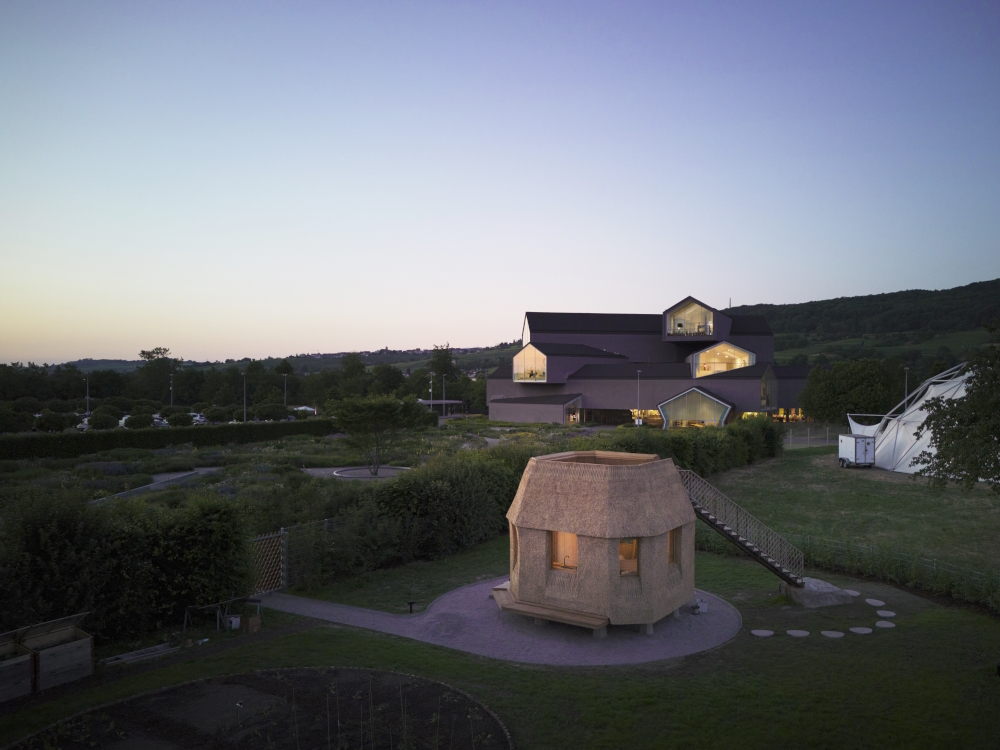
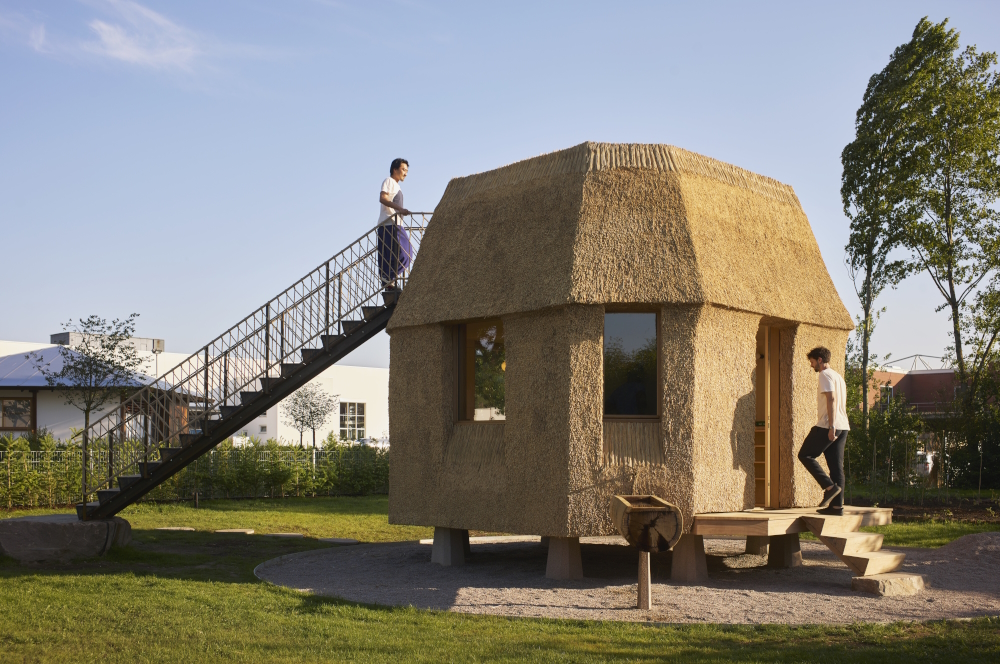
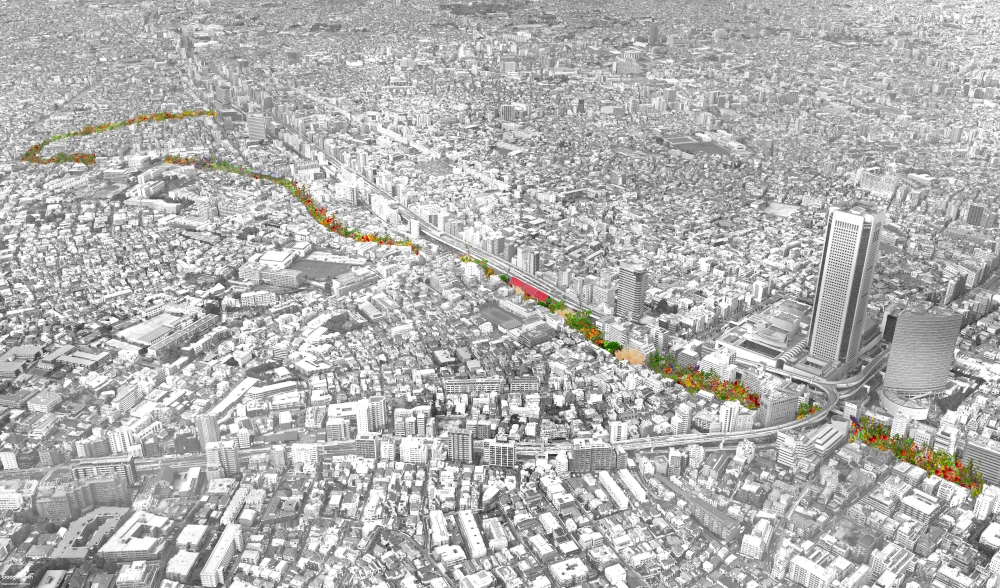
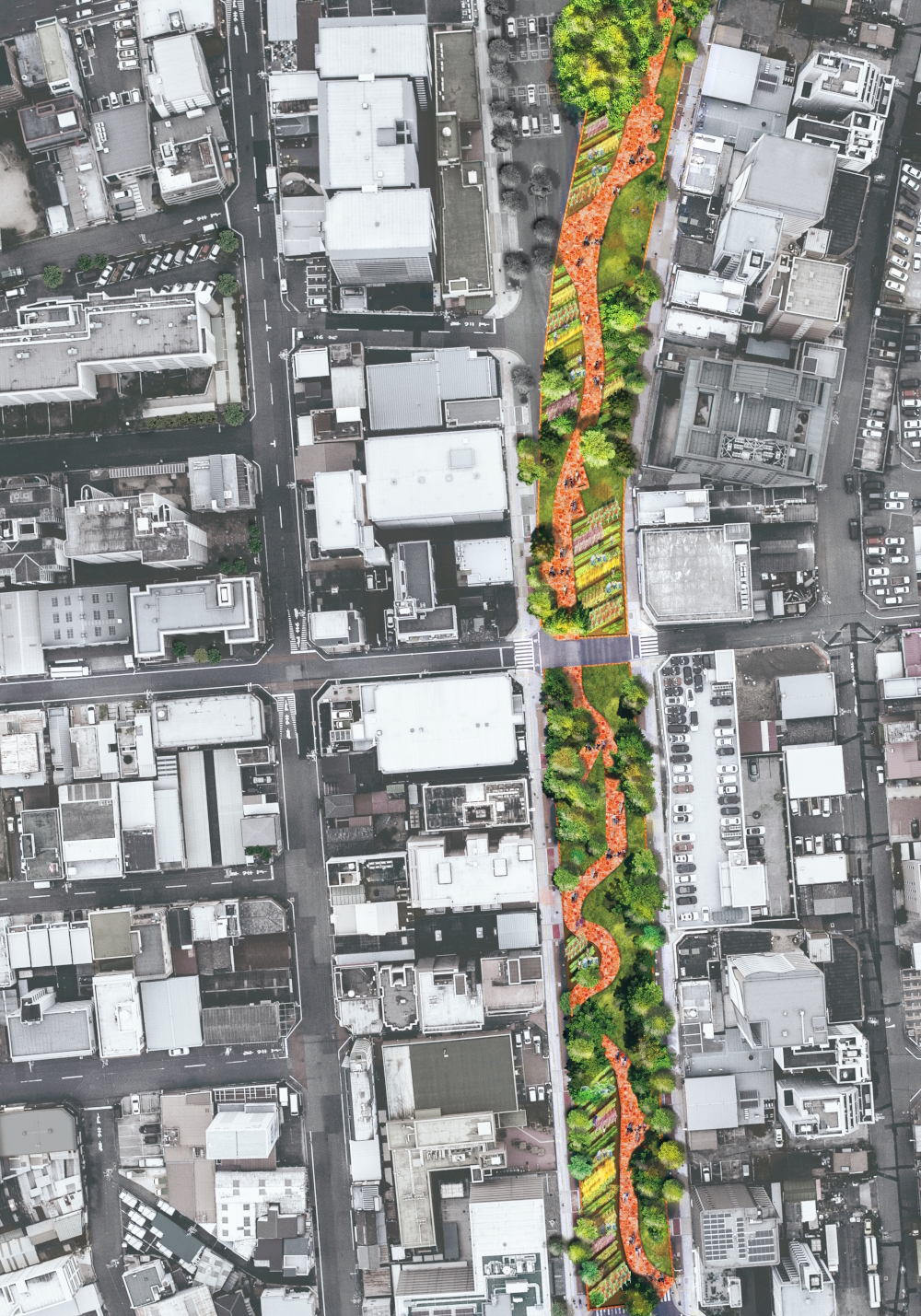
The Estonian National Museum in Tartu. Hirosaki Museum of Contemporary Art (Aomori/Japan). The Al Thani Collection in Hôtel de la Marine (Paris). Tane Garden House on Vitra Campus (Weil am Rhein/Germany). The 2.6 km long urban farm project - 388 FARM in Shibuya City (Tokyo completed in 2028). The Imperial Hotel, Tokyo (completed in 2036). Six projects of many that showcase the diverse works of this much awarded architect. Furthermore he makes headlines with the internationally touring exhibition „Archaeology of the Future“. There the output of his practice is presented by using the example of recent projects. Its very unique philosophy is described on the company’s website too: „We aspire to create an architecture that nobody has ever seen, experienced, or imagined yet. It is different from something new, something futuristic which doesn't fit the place. We believe that architecture begins from the memory of the place, the memory that can be continued from the past, that will continue to the future.“ Such a visionary and clearly defined claim comes from a man who originally pursued a completely different goal – in sports!
Tane Tsuyoshi
architect
France

„Life is what happens to you while you're busy making other plans.“ Tsuyoshi Tane (* September 14, 1979 in Suginami-ku/Tokyo) knows that the famous quote from John Lennon (The Beatles) is correct because of his own fate. During school days the native Japanese played in the youth team of the highly ranked JEF United Ichihara Chiba, but his dreams of becoming a professional footballer were shattered by an injury however. „I didn't really know what I wanted to study“, "TT" told architektualbiznes.pl. „An album about Antoni Gaudí fell into my hands in the library, and I was completely shocked. Then I decided to take up architecture.“ So he enrolled at Hokkaido Tokai University in the adequate department. „In my second year of university, I left Japan for the first time to see European architecture, known to me only from books. I traveled through Spain, France and Italy. It was a unique trip. Upon my return, I learned about a new exchange program with Sweden.“ Tane took on the chance and found himself in Gothenburg – first at HDK-Valand Academy of Art and Design, then at the private Chalmers University of Technology. During the stay in Sweden „my way of looking at the world as an architect was born. Why does everyone appreciate Scandinavian design so much? Because it corresponds to the needs of society, how they live there, how they understand nature, what kind of educational model they have. It is not just a design, an object, but part of a coherent system, a common life - very simple, rather modest, at the same time good and comfortable. Design can support our everyday life. I appreciate this learning very much.“
After graduating in 2002 from Tokai University in Hokkaido, the admirer of influential architect Frank Lloyd Wright (1867-1959), who „believed in designing in harmony with humanity and the environment“ (Wikipedia), went straight to The Royal Danish Academy of Fine Arts, Copenhagen, Denmark as a research student. He then started subsequently working at Henning Larsens Tegnestue A/S, Copenhagen (2003-04) – an international practice known for its cultural and educational projects with a focus on sustainibility. From 2005 to 2006 the dedicated twen worked in the London headquarter of David Adjaye Associates, an award winning architectural and design firm.
Considering his professional career up to this point it was just a matter of time that Tsuyoshi Tane would cause a stir. In cooperation with Dan Dorell and Lina Ghotmeh he won the international competition for the Estonian National Museum in 2006 (completed ten years later). Consequently the practice Dorell.Ghotmeh.Tane (DGT) Architects was founded in Paris. The multinational team realized numerous projects in Denmark, France, Italy and Japan successfully including scenography for three performances by the dance company Noism and the spring/summer fashion show of the apparel brand minä perhonen in Paris. It was, according to Icon Magazine, one of „The 20 essential young artists“ and received various honors like The Annual A+Award of Architizer (its online platform is the largest online community of architects in the world), The Red Dot Design Award or a nomination for The European Union Prize for Contemporary Architecture – Mies van der Rohe award highlighted the trio’s performance.
2017 saw Tusyoshi Tane founding his own ATTA - Atelier Tsuyoshi Tane Architects in the French capital with the international team from Europe, Japan, Russia, Taiwan and so on. Their projects are of a wide range: from large urban settings to residential buildings, hotels, museums, exhibition and even small interior designs. The sites are located in Central Europe, Brazil and Japan.
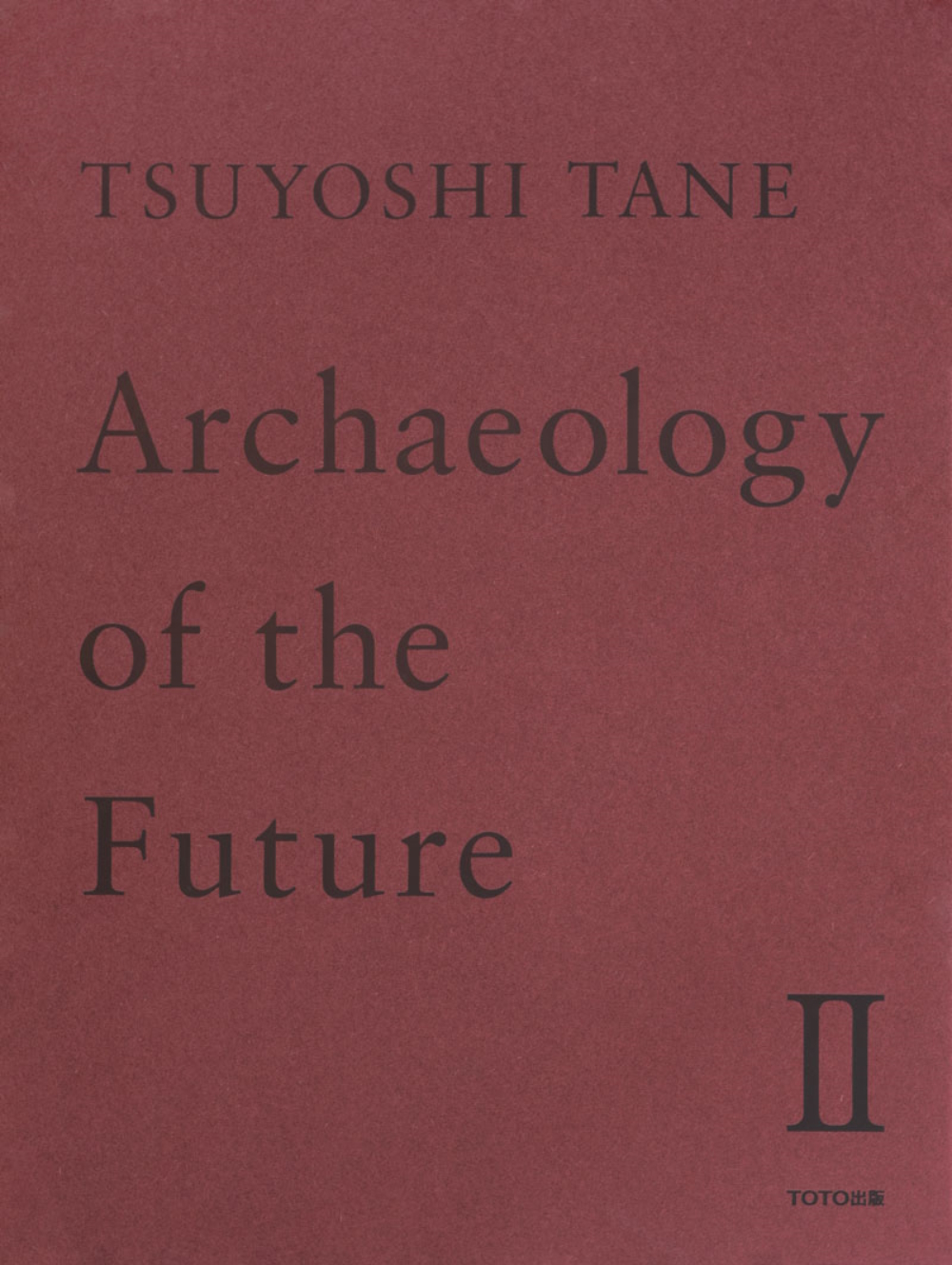
How diverse the commissioned jobs and the sites might be, they’ve always got one thing in common: the approach of the architect who has won, among dozens, the AFEX - Grand Prix for French Architecture Overseas and is „recognised as one of the leading architects in the new generation for designing architecture“ (boisbuchet.org). The connecting link is called Archaeology of the Future II. It is shown exemplary in the book of the same name, its manifesto being explained on the practice’s website: „We begin our work like archaeologists as we start to explore a long distance in time and excavate memories of the place. It is a process of surprise and discovery, of searching to encounter what we didn't know, what we had forgotten, and what was lost due to modernization and globalization. We believe there are always memories in the place that are deeply embedded beneath the ground and in history. By this process of thinking from the past to the future, the memory of the place slowly becomes architecture. We believe that memory is not something that belongs in the past but is a driving force to create an architecture of the future.“
Tsuyoshi Tane, who’s a frequent speaker at architecture schools as well as public institutions and teaches as a visiting professor at universities, lives and works in Paris.
Interview April 2026
Back into the Future: digging and delving into memories of a place and taking a creative leap forward
INTUITION/IMAGINATION
?: How does intuition present itself to you – in form of a suspicious impression, a spontaneous visualisation or whatever - maybe in dreams?
For me, intuition strikes suddenly. And I allow that intuition to settle gently. The act itself is a quieter one. It feels more like a ‘trace’—something that already exists in that place, waiting to be noticed. When I visit a place, I listen intently. I walk around and examine it. I ask myself repeatedly what role this intuition plays, and whether it is truly necessary here. Intuition emerges from this act of listening. It is not imagination detached from reality; it is a resonance between my body and the memory of the place. Sometimes it feels like a tension — a question that insists on being answered. That question becomes the beginning of architecture.
?: Will any ideas be written down immediately and archived?
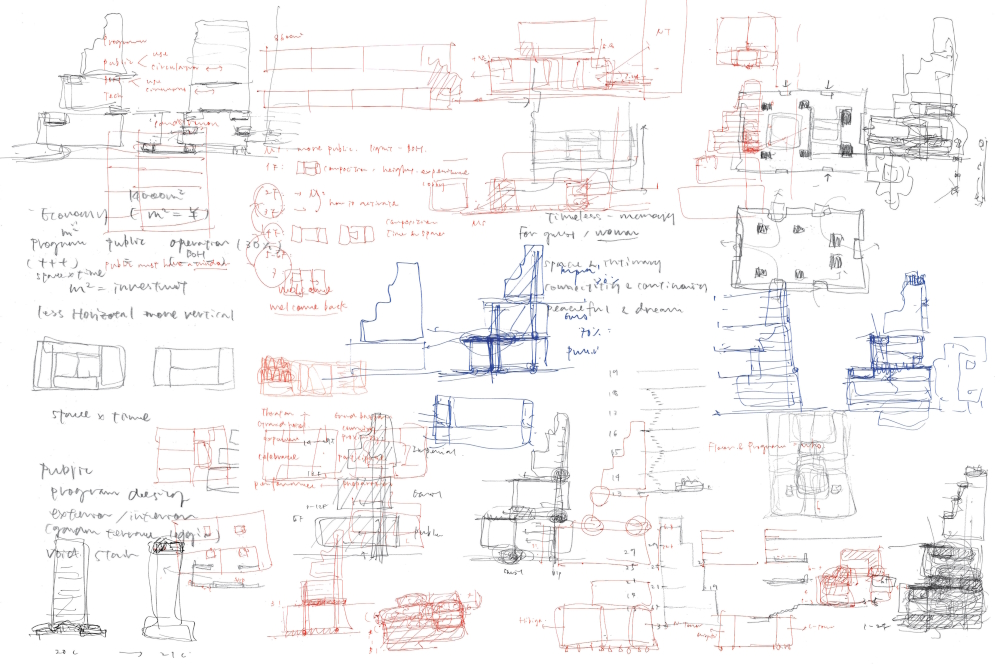
Not really. There are several ways to sketch. I begin by sketching in my mind. Sometimes words become sketches, thoughts become sketches, images become sketches, and I structure them into sketches resembling mathematical formulas or diagrams. Then, at a certain point, I sketch them all out in one go. And I do so in a state of intense concentration.
This is because, for me, sketching is about giving form to things; I sketch when I am solidifying them into concrete images. In other words, I continue to think things through in my head to prevent vague images from slipping away.
?: How do you come up with good or extraordinary ideas?
It is not something that can be easily explained. Sometimes, an idea simply pops into my head. However, I cannot say for certain whether it is an extraordinary idea. I am constantly trying to dig deeper into things. As I ponder, sometimes thinking at breakneck speed, and keep digging and digging, something suddenly strikes me. However, I do not believe this makes me special. Rather, I think that bringing extraordinary ideas to fruition is a far more important task than simply coming up with them.
?: Do you feel that new creative ideas come as a whole or do you get like a little seed of inspiration that evolves into something else and has to be realized by endless trials and errors in form of constant developments until the final result?
This is closely linked to perseverance. Ideas and inspiration begin in a state much like a rough gemstone.
In architecture, it is precisely because the process and its stages are complex that we polish that rough gemstone, sometimes chipping away at it, returning to the starting point, yet taking our time to infuse it with soul. What, then, is the final form in architecture? It is not about determining an end to the building, but rather about the fact that it is living that is more important.
?: What if there is a deadline, but no intuition? Does the first fuel the latter maybe?
Deadlines force us to make decisions. However, decisions made under pressure do not yield anything of real substance. When inspiration fails to strike, it usually means we have not thought things through deeply enough.
Short bursts can heighten concentration, and decisions driven by a surge of inspiration are important. Yet architecture endures for a long time, whilst the time we architects are involved is brief. That is precisely why we must set our own deadlines for ideas and never compromise.
INSPIRATION
?: What inspires you and how do you stimulate this special form of imaginativeness?
I am inspired by memories—things that endure despite the passage of time. When entities from hundreds or even thousands of years ago appear before my eyes, my imagination expands. The time we can live is short. Yet the wellspring of human creativity is infinitely deep.
?: How do you filter between ideas that are worthwhile pursuing and bad ones that you just let go of?
When it comes to deciding whether to pursue or discard an idea, many ideas are born and discarded, born and discarded. This is because I believe it is always important to generate a large number of ideas, whether they concern the big picture or are localised details. Even so, there are times when I am unsure or feel uncertain. The ideas worth pursuing are those that take a direction I could never have imagined. Furthermore, when I am uncertain, I choose the path I do not understand. It is by eliminating that sense of déjà vu that the true brilliance of an idea becomes apparent.
?: Does an idea need to appeal to you primarily or is its commercial potential an essential factor?
An idea is creativity. My challenge is whether I can come up with an idea that no one has ever thought of before. If that leap of imagination or that sense of wonder does not move me, the idea is meaningless.
?: Do you revisit old ideas or check what colleagues or competitors are up to at times?
In archaeological thinking, we do sometimes research the origins of past ideas. There is much to be learnt from ideas that emerged within the context of their time, particularly from a contemporary perspective.
For example, in the international competition for the Imperial Hotel Tokyo, we researched the origins of the hotel, studied the beginnings of the Chicago School of skyscrapers, and investigated why Frank Lloyd Wright drew inspiration from Mayan civilisation. Ideas should be unique; we do not compare them with others.
CREATIVITY
?: What time or environment best suits your creative work process — for example, a time and place of tranquility or of pressure?
I am constantly thinking about architecture and my current projects. For that reason, I cannot really say when or where.
?: What’s better in the realization process — for example, speed and forcing creativity by grasping the magic of the moment or a slow, ripening process for implementation and elaboration?
A burst of instant inspiration is effective when we are breaking through barriers. The power of imagination can, in that way, instantly elevate things to a different dimension. On the other hand, I believe it is also important to draw the same problem repeatedly, to think about the same thing over and over again, to continually deepen one’s thinking, and to take the time to verify the core of the matter.
I read Daniel Kahneman’s book *Thinking, Fast and Slow* some time ago, and I believe our brains are structured in much the same way.
?: How important are self-doubt and criticism by others during such a process?
The views of others are extremely important. Whether they take the form of criticism, praise, opposition or doubt, they invariably lead to further reflection. The one thing we must avoid at all is being ignored.
?: Is it better to be creative on your own, to trust only your own instincts, or to work in a team?
Architecture is a collective discipline. Our work is based on archaeological research, and collaboration within an international team enriches that process. Through dialogue within the team, diverse perspectives serve to test and strengthen ideas. Ultimately, the strength of an individual’s ideas is put to the test within the collective.
?: In case of a creative block or, worse, a real failure, how do you get out of such a hole?
First of all, I sleep. Sleep allows my mind and body to rest. That doesn’t mean I’m suddenly freed from serious problems or difficult situations. Yet the power of sleep is a curious thing: the next morning always comes. It gives me the chance to start again.
?: Should a creative person always stay true to him- or herself, including taking risks and going against the flow, or must the person, for reasons of commercial survival, make concessions to the demands of the market, the wishes of clients and the audience’s expectations?
I came to understand that this is a matter of conviction. Architectural work involves substantial budgets and draws in many people; at times, one must bring to fruition ideas that no one understands. On the other hand, for whom and for what is this risk being taken? Architecture cannot be done alone. In other words, an architect cannot bear the risk alone; they need accomplices.
?: How are innovation and improvement possible if you’ve established a distinctive style? Is it good to be ahead of your time, even if you hazard not being understood?
I harbour doubts about architects having their own distinctive styles in architecture. We must also be wary of falling into the traps of French, Japanese or modern architectural styles. I believe that architecture belongs to a place, and that every place has its own style. It is vital for architecture to put down roots in the land. Otherwise, I do not believe architecture can transcend the times.
?: When does the time come to end the creative process, to be content and set the final result free? Or is it always a work-in-progress, with an endless possibility of improvement?
For architecture to have a point of completion is a very dull prospect. Is it not the same for human beings? Architecture should be used whilst it is alive, bringing joy and becoming a memory of that place. And since the role of architecture is to continue into the future, there is no such thing as completion.
?: How does artificial intelligence change human creativity? And do you? Would will you use it at all?
I am interested in artificial intelligence. I’ve recently started using it. It’s incredibly intelligent, which is why I’m so fascinated by it. As for whether it will change human creativity, we’d need to define what creativity actually is. In any case, as human technology isn’t constrained by limits or voting, it will continue to evolve indefinitely.
SUCCESS
“Success is the ability to go from one failure to another with no loss of enthusiasm.” Do you agree with Winston Churchill‘s quote?
I’m not sure what you’re asking me to agree with, but I can agree.
?: Should or can you resist the temptation to recycle a ‘formula’ you're successful with?
I do not believe in ‘formula’. Architecture is not a mathematical formula, nor does it yield a single answer. It is precisely because it is such a labour-intensive and time-consuming craft that architecture has been in demand since ancient times. If such ‘formula’ did exist, I might perhaps reuse to them when I faced with a commission for a project I do not want to take.
?: Is it desirable to create an ultimate or timeless work? Doesn’t “top of the ladder” bring up the question, “What’s next?” — that is, isn’t such a personal peak “the end”?
Architecture is always part of a continuum; it continues to exist both ‘before’ and ‘after’ us. For me, the question of whether architectural work has a pinnacle is irrelevant. In every single project, I encounter new problems. Contemplating these problems is a source of joy, and I believe that architecture is, in essence, the act of pondering such questions.
MY FAVOURITE WORK:
The Imperial Hotel Tokyo.
This is a project to consider the fourth generation of the Imperial Hotel, following the first, second and third generations, as Japan’s first guesthouse. At the same time, it presents a major challenge to contemplate the future of Frank Lloyd Wright’s legacy and the Chicago School of architecture—the origin of high-rise buildings—which has since been lost. My style is not about my own architectural style, but rather about creating the archaeology of the future from the memories of this place.